


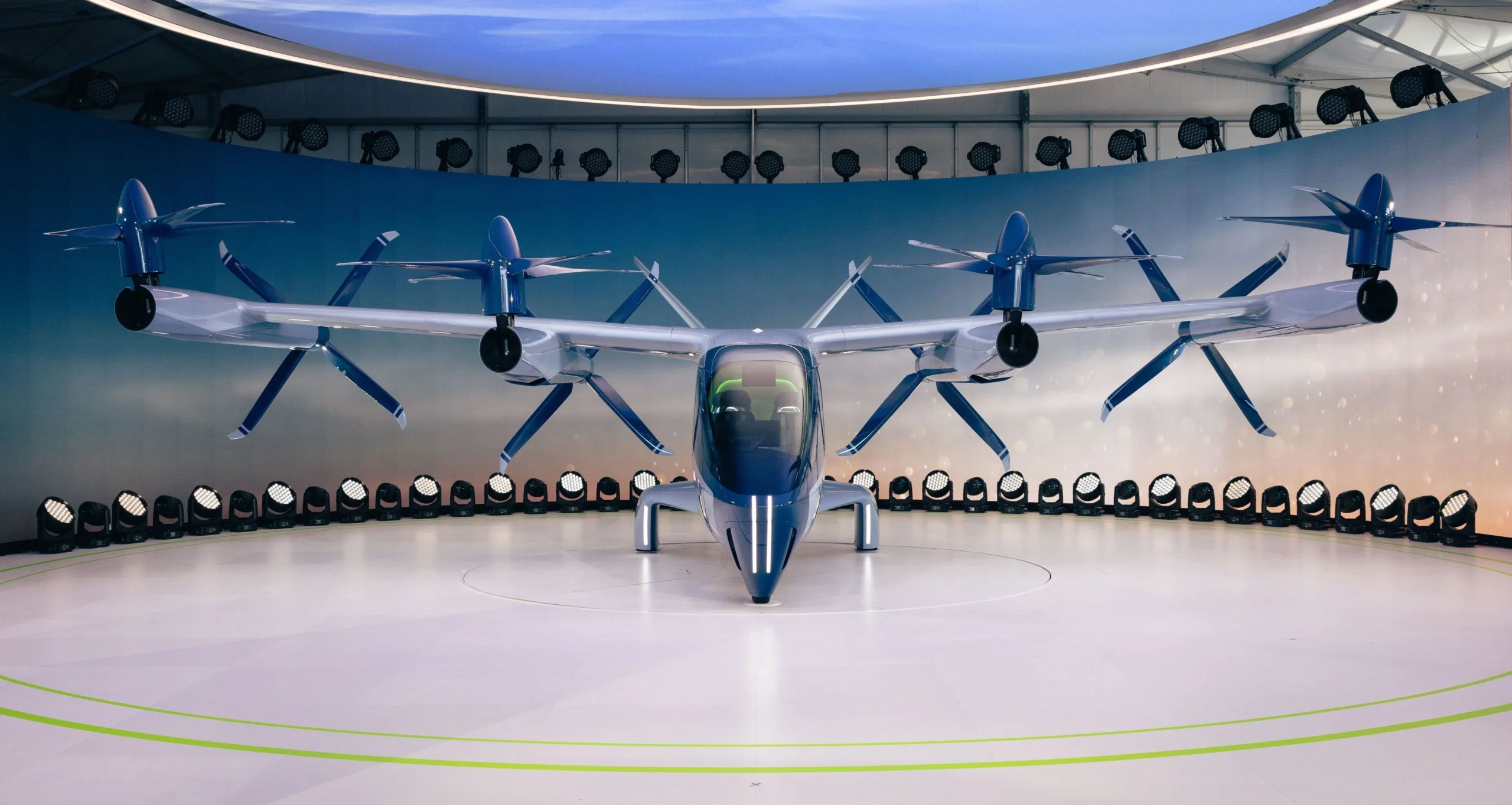
When you look at the different electric air taxis being built and tested around the world today, you will notice a major design split among top aerospace engineers. Some companies firmly believe that pure battery power is the only way forward, using massive lithium-ion battery packs to spin their aircraft rotors.
Other companies argue that pure batteries are simply too heavy and do not hold enough energy for practical commercial routes. Because of this limitation, these companies are building hybrid-electric aircraft that combine small fuel-burning engines with electric motors.
This debate over propulsion is one of the most important engineering challenges in modern aviation history. Choosing the right power source determines how far an air taxi can fly on a single charge, how many passengers it can carry safely, how much maintenance it will require over its lifetime, and how green its true environmental footprint will be.
Understanding this power struggle is essential for anyone following the future of urban air mobility and regional flight.
Understanding Energy Density: The Weight Challenge of Flight
To understand why this debate exists, you have to look at the basic physics of flight. Keeping an aircraft airborne requires a massive amount of continuous energy. In traditional aviation, engineers have relied on liquid fuels like jet fuel and gasoline for over a century.
Liquid fuel is fantastic for flying because it packs an incredible amount of energy into a relatively small and lightweight space. As the engine burns fuel during the flight, the aircraft actually gets lighter, which makes flying even more efficient.
Electricity does not work that way. Batteries do not get lighter as they discharge their energy. Instead, battery packs remain heavy from takeoff until landing. Furthermore, traditional lithium-ion batteries hold far less energy per kilogram than liquid fuel does.
This chemical reality creates a tough engineering puzzle: if you add more batteries to an air taxi to make it fly farther, the aircraft becomes much heavier. When the aircraft gets heavier, it needs even more energy just to lift itself off the ground. Breaking this heavy weight cycle is what separates battery-electric designs from hybrid systems.
Pure Battery-Electric eVTOLs: Clean, Quiet, and Simple
Pure battery-electric vertical takeoff and landing (eVTOL) aircraft—such as the models being developed by leading companies like Joby Aviation and Archer Aviation—rely 100% on stored electrical energy.
They use distributed electric propulsion (DEP), meaning they power multiple independent electric motors spread across the aircraft wings and frame.
Pure battery-electric air taxis offer several incredible advantages that make them very attractive for city environments:
- Zero Direct Emissions: During flight, battery aircraft produce absolutely no carbon dioxide or harmful exhaust gases, helping cities clear up their polluted air.
- Extreme Quietness: Electric motors have far fewer moving parts than traditional fuel engines and create a much smoother acoustic profile, making them quiet enough to fly over neighborhoods without waking people up.
- Low Maintenance Costs: Without oil changes, spark plugs, pistons, or complex fuel valves, electric motors last much longer and cost significantly less to maintain over thousands of operating hours.
The Range: Why Batteries Limit Flight Distance
Despite their cleanliness and simplicity, pure battery-electric air taxis face a hard limitation: **flight range**. Because current battery technology has limited energy density, most pure battery eVTOLs are designed for shorter trips—usually around 100 to 150 kilometers on a single charge, plus extra safety reserves.
For short inner-city commutes, airport hops, and quick urban transfers, a 100-kilometer range is plenty. However, when operators want to connect two distant cities or serve rural resort regions where charging stations are sparse, pure battery aircraft run out of power too quickly. This range restriction is what opens the door for hybrid-electric alternatives.
Hybrid-Electric eVTOLs: The Best of Both Worlds?
To bypass the weight and range limits of pure batteries, several innovative aerospace companies are designing hybrid-electric aircraft. These systems combine a smaller battery pack with a small, highly efficient fuel-burning generator or a biofuel-powered turbine.
The way a hybrid system operates during a flight is cleverly divided into different stages:
- Takeoff and Landing (Pure Electric): When the aircraft takes off vertically, it demands a massive surge of power. The battery system handles this heavy load silently and cleanly without needing the fuel engine.
- Horizontal Cruise (Hybrid Power): Once the aircraft is safely in the air flying forward, the small fuel generator kicks on. This generator provides continuous electrical power to the motors and keeps the batteries topped off, allowing the aircraft to glide smoothly over long distances.
- Extended Range: By using a hybrid setup, an air taxi can easily travel 300 to 500 kilometers on a single flight, opening up regional travel markets that pure batteries cannot touch.
Comparing Maintenance and Operating Costs
When fleet operators look at buying new air taxis, they do not just look at how fast the aircraft flies; they calculate the total cost of ownership over ten years of heavy commercial use. Maintenance is a major part of this financial equation.
Pure battery aircraft are the clear winners in mechanical simplicity. Electric motors have only one main moving part—the rotating shaft—which means very little mechanical wear and tear. On the other hand, hybrid-electric aircraft bring back some of the maintenance routines of traditional airplanes, such as servicing fuel lines, managing exhaust systems, and replacing mechanical parts inside the generator turbine. However, because the fuel generator runs at a constant, steady speed during cruise (rather than revving up and down like a car engine), its wear and tear is still much lower than a traditional helicopter engine.
Payload and Passenger Capacity Trade-Offs
Another major difference between the two propulsion types is how much weight they can carry. In commercial aviation, every kilogram counts. Operators want to pack as many paying passengers into the cabin as possible to maximize ticket revenue.
Because pure battery air taxis must carry massive, heavy battery packs to achieve even a modest range, they often have strict limits on passenger count and luggage weight. Hybrid-electric aircraft, by contrast, replace a portion of that heavy battery weight with a lightweight fuel generator and liquid fuel. Because liquid fuel is lighter per unit of energy than batteries for long flights, hybrid aircraft can often carry more passengers or heavier cargo payloads over regional routes without sacrificing distance.
Environmental Impact: Zero Emissions vs. Low-Carbon Fuel
Environmental sustainability is one of the main selling points of the entire urban air mobility movement. Passengers and city leaders want clean transportation.
Pure battery aircraft deliver true zero-emission flights, though their overall carbon footprint depends on whether the electricity used to charge them comes from coal power plants or clean solar and wind energy. Hybrid-electric aircraft do burn fuel, meaning they produce some carbon emissions during flight. However, because their generators are exceptionally small and efficient, and because many companies plan to use sustainable aviation fuels (biofuels), hybrids produce a fraction of the emissions of traditional old-school helicopters or regional jets.
Coexistence in the Future Skies: Which Will Win?
So, which propulsion system will ultimately win the skies? The answer is that **both will win**, because they serve two completely different types of travel markets.
Pure battery-electric eVTOLs will dominate crowded inner-city skies, short airport shuttles, and local metropolitan hops where zero local emissions, extreme quietness, and short turnaround times are the most important factors. Meanwhile, **hybrid-electric eVTOLs** will capture the lucrative regional intercity market—connecting mid-sized towns, rural communities, and tourist regions where passengers need to travel 300 to 500 kilometers across regions where charging infrastructure does not yet exist.
As battery technology slowly improves over the next decade, pure electric ranges will gradually increase. But for the foreseeable future, hybrid and electric air taxis will work hand-in-hand to build a complete, multi-layered global aviation network.
Frequently Asked Questions
What is the main difference between battery-electric and hybrid air taxis?
Battery-electric air taxis run 100% on stored electricity from heavy battery packs, while hybrid air taxis use a small fuel generator combined with smaller batteries to travel much longer distances.
Why can’t pure battery air taxis fly very long distances?
Because traditional batteries are heavy and store less energy per kilogram compared to liquid fuels, which limits how far an aircraft can fly before running out of power.
Do hybrid air taxis pollute as much as normal helicopters?
No. Hybrid air taxis use advanced, highly efficient generators and can run on sustainable biofuels, producing a small fraction of the noise and pollution generated by traditional old-school helicopters.

