


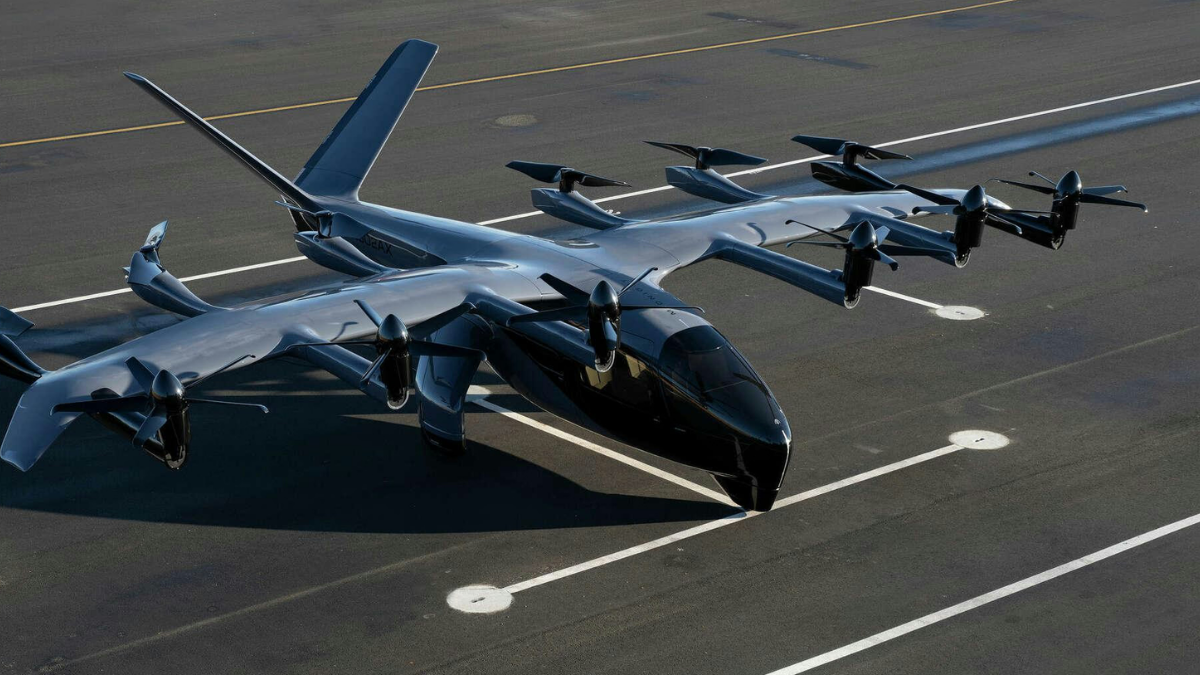
When people imagine electric air taxis, they usually picture a flying car zipping across a crowded downtown skyline, carrying a stressed-out business person over rush-hour traffic from one skyscraper roof to another. While inner-city hops are a major long-term goal, they face huge hurdles when it comes to city noise rules, local zoning laws, and building downtown vertiports.
Because of these delays, smart air taxi companies are looking at a different market for their early commercial launches: intercity routes.
Instead of flying across a single city center, these routes connect nearby regional cities, tourist towns, and secondary airports that are 100 to 400 kilometers apart. This regional approach is quickly turning out to be the true financial goldmine for early electric aviation.
Why Intercity Routes Face Fewer Obstacles
Starting an air service inside a massive city like New York, Los Angeles, or London takes years of political debate. Local residents worry about noise, privacy, and crowded skies. But regional and suburban areas are much more welcoming.
- Easier Land Availability: Smaller regional towns and tourist spots have plenty of open space to build simple landing pads and charging stations without fighting complex downtown zoning laws.
- Less Opposition from Neighbors: Rural and semi-suburban communities are usually less worried about aircraft noise compared to dense residential neighborhoods in big city centers.
- Clearer Airspace: Flying between two smaller cities avoids the crazy, crowded air traffic control zones found directly over major international airports and downtown skyscrapers.
Beating Cars, Trains, and Regional Turboprops
Intercity travel is often frustrating. Driving between two regional cities can take three to four hours on jammed highways. Taking a regional train can be slow, and traditional commuter airlines are expensive and inconvenient for short distances.
Electric air taxis fill this exact gap. By offering fast point-to-point flights over regional distances at competitive ticket prices, they give travelers back hours of their day. A 200-kilometer trip that takes three hours by car can be completed in under 45 minutes in a comfortable, quiet eVTOL aircraft.
The Economics for Early Business Growth
For startup aviation companies, making money early on is vital. Downtown city routes require building expensive rooftop vertiports that cost millions of dollars. In contrast, regional intercity routes can use existing small airfields, local airstrips, and general aviation airports with very little upfront construction cost.
This low start-up cost allows companies to generate steady revenue, prove their aircraft are safe and reliable, and build strong brand loyalty among frequent regional travelers while waiting for big downtown city airspace rules to finish getting approved.
Connecting Small Towns to Major Hubs
Intercity electric air mobility also helps smaller communities grow. Business people living in quiet regional towns can easily travel to big manufacturing or tech hubs for meetings and return home the same evening. This boosts local economies and opens up new travel habits that old transportation systems could never support.
Frequently Asked Questions
What is an intercity air taxi route?
It is a flight route connecting two different towns or regional cities that are usually 100 to 400 kilometers apart, rather than short trips inside a single downtown city center.
Because regional areas have more open land, fewer zoning restrictions, and lower infrastructure costs compared to crowded city centers.

