


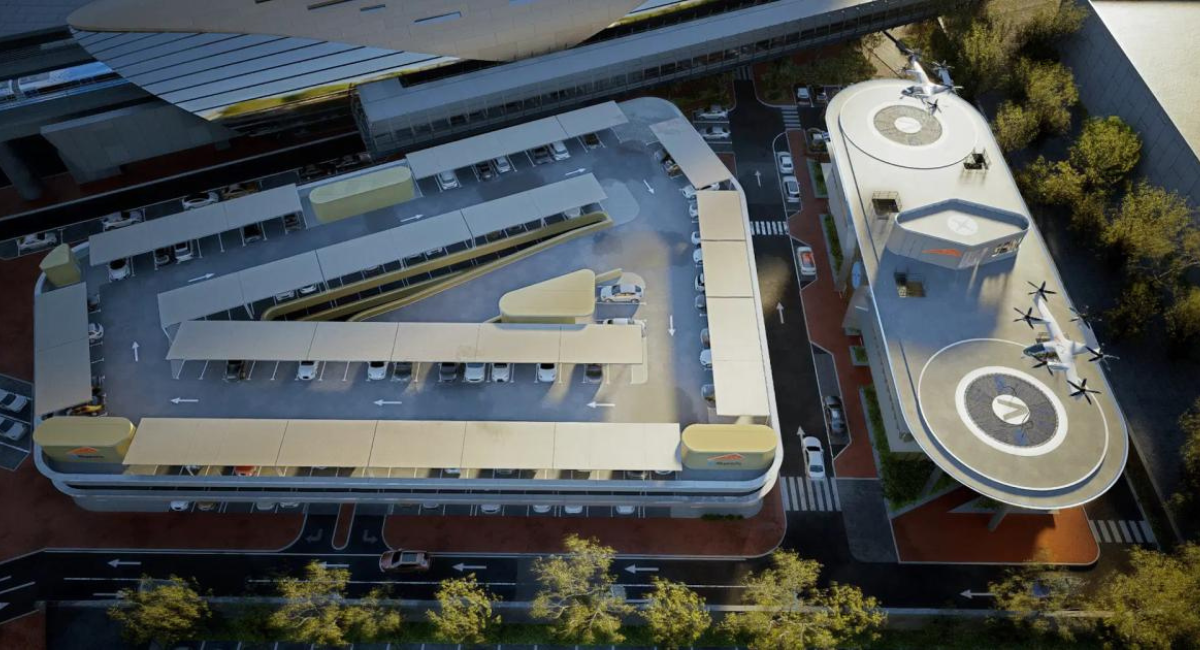
Air taxis are an amazing piece of technology, but they cannot land just anywhere. Imagine buying a brand-new, high-speed sports car, but there are no parking lots, gas stations, or roads for you to use it on. That car would not be very helpful. The exact same problem applies to electric air taxis. Even if a flying taxi can carry passengers smoothly across a busy city, it needs a safe place to take off and land.
These special landing stations are called vertiports. Without a strong network of vertiports placed right in the middle of where people live and work, flying taxis will never become a practical way to travel. Designing these stations is one of the biggest engineering and real estate challenges of our time. Architects, city planners, and construction experts have to figure out how to put busy aviation hubs right on top of tall downtown skyscrapers and parking garages without disrupting the city below.
The Engineering Puzzle of Rooftop Vertiports
Building a brand-new airport from scratch takes thousands of acres of land, which cities simply do not have. Because downtown real estate is expensive and crowded, vertiports cannot be built out on wide open fields. Instead, engineers must look up specifically at the roofs of existing buildings, parking structures, and transit hubs.
However, landing an electric air taxi on a roof is very different from landing a tiny drone. Even though electric air taxis are much quieter and lighter than traditional heavy helicopters, they still weigh several tons. When an aircraft lands, it puts a sudden, heavy crushing force down onto the roof structure.
- Structural Load Checks: Civil engineers must carefully test old buildings to see if their steel and concrete frames can support the weight of the aircraft, the charging equipment, and groups of waiting passengers all at the same time.
- Wind and Air Currents Around Skyscrapers: Big downtown buildings do not just sit quietly in the wind. Tall skyscrapers create strange wind tunnels, swirling air currents, and sudden gusts. Engineers build special wind-blocking walls and test models in wind tunnels to make sure pilots can land safely even on windy days.
- Fire Safety and Fuel Systems: Because electric air taxis run on large lithium-ion battery packs, vertiports need advanced fire suppression systems, thermal monitoring cameras, and safe quarantine zones just in case a battery gets too hot.
Inside the Modern Vertiport: What It Looks Like
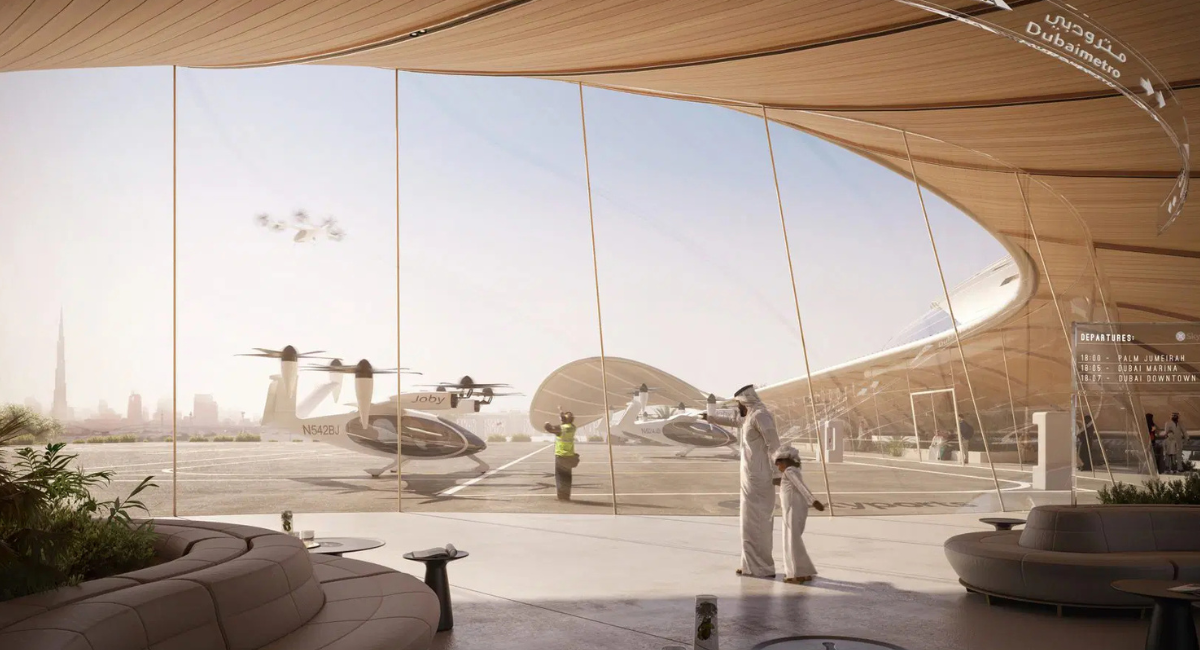
A vertiport is not just a flat piece of concrete on a roof. It is a mini-terminal designed to move people quickly and smoothly from the street to the sky. If passengers have to wait in long, confusing lines, the main benefit of saving time in a flying taxi is lost.
Architects divide vertiport interiors into clear, easy-to-navigate zones:
- The Landing Pad Area: This is the open outdoor roof space where aircraft touch down. It features automated guidance lights, high-speed charging cables, and secure tie-down spots.
- The Passenger Lounge: A comfortable, modern indoor waiting area where riders can book trips on digital screens, check weather updates, and relax for a few minutes before their flight is called.
- Boarding Gates and Ramps: Safe, step-free pathways with automatic doors that guide passengers straight from the lounge to the aircraft cabin. These areas are fully designed to be accessible for people using wheelchairs or carrying heavy luggage.
- Maintenance and Charging Rooms: Hidden behind the scenes, these rooms house massive backup battery banks and diagnostic computers to keep the station running smoothly all day long.
Navigating City Zoning Laws and Real Estate
Even if an engineering team builds the safest, most modern vertiport on top of a skyscraper, they cannot open it for business without permission from the local government. Getting city approval is often harder and more time-consuming than building the station itself.
Most cities have very strict zoning laws. Zoning laws decide what kind of buildings can go in certain neighborhoods—for example, separating loud factories from quiet houses. Right now, most city zoning laws do not have a category for electric air taxis. They only have rules for old-school helicopter pads, which are usually banned or heavily restricted near downtown areas because they are so loud and polluting.
City leaders are currently rewriting their rulebooks to create a brand-new classification for vertiports. To get a permit approved, developers must prove to city councils that their stations will not cause massive traffic jams on nearby streets, block emergency vehicle routes, or create too much noise for people working in nearby office buildings.
Overcoming Public Backlash and Noise Planning
One of the biggest hurdles facing vertiport developers is local community resistance, often called “NIMBYism” (Not In My Back Yard). People living or working near a proposed vertiport site worry about privacy, property values, and constant aircraft noise buzzing over their windows.
To win over skeptical neighbors, smart air taxi companies are investing heavily in acoustic architecture. They install thick sound-absorbing panels around the edges of the landing pads, use special materials that bounce sound waves away from streets, and limit flight hours during early morning and late night times.
Furthermore, developers work closely with city planners to connect vertiports directly to existing public transit networks, like subway stations and bus stops. By turning vertiports into multi-modal transit hubs where people can easily switch from a train to an air taxi, developers convince local leaders that the station benefits the entire community, not just wealthy travelers.
The Future of Urban Real Estate
As electric air taxis transition from test programs to everyday public transit, vertiport architecture will change the shape of our cities forever. Real estate developers are already planning future skyscrapers with built-in rooftop landing pads right from the blueprint stage. Just like elevators transformed tall buildings by making high floors useful, vertiports will unlock the sky, turning rooftops into the new front doors of our metropolitan centers.
Frequently Asked Questions
What exactly is a vertiport?
A vertiport is a specialized mini-airport built on the ground or on top of a building specifically designed for electric vertical takeoff and landing (eVTOL) air taxis to land, charge up, and load passengers.
Can air taxis land on any normal building roof?
No. Normal building roofs are not built to handle the heavy landing force and weight of an aircraft. Engineers must inspect and reinforce a roof with steel and concrete before it can be used as a vertiport.
Why is it hard to get city permission to build a vertiport?
Cities have strict zoning laws and rules about noise, traffic, and safety. Because electric air taxis are brand new, local governments must update their laws and carefully study how the stations will affect nearby neighborhoods before approving them.

