
Company Analysis
Joby vs Archer vs Lilium: Which Flying Taxi Company Will Actually Win?
Which company will dominate the eVTOL market? Compare Joby, Archer, and Lilium across funding, technology, partnerships, and timeline. Complete head-to-head analysis.
Three Flying Taxi Companies Racing to Win
Three companies (Joby vs Archer vs Lilium) are racing to launch flying taxis. All three have real aircraft, real funding and probably launch period.
But only one will really succeed. The others will probably struggle. So which one will win?
Let’s compare Joby Aviation, Archer Aviation, and Lilium directly. We’ll look at the core areas: money, aircraft, timelines, and plans. Then I will share with you my honest opinion about who wins.
Quick Overview: The Three Companies
Joby Aviation is a California company founded in 2009. Joby has been building flying taxis for over 15 years. Joby has $976 million in funding. Toyota, Intel, JetBlue, Delta, and United Airlines all support Joby. Joby plans to launch in Dubai in 2026, then the U.S. in 2027.
Archer Aviation is an American company founded in 2018. Archer has $550 million in funding. Stellantis (a huge car company) is backing Archer. United Airlines will buy Archer aircraft. Archer plans to launch in the U.S. in 2027.
Lilium is a German company founded in 2015. Lilium has $350 million in funding. Lilium invented a new kind of flying taxi with jet engines. Lilium plans to launch in Europe in 2027-2028. But Lilium doesn’t have big corporate backers like Joby and Archer.
All three are serious companies. But they’re in different positions.
Comparing The Money
Here’s the simplest comparison:
Joby: $976 million
Archer: $550 million (+ Stellantis factory support)
Lilium: $350 million
Joby has the most money. Archer has good money plus Stellantis backing. Lilium has the least money.
This matters because building flying taxis costs a lot. Every year, these companies spend $60-100 million on development.
Joby can develop for many years. Archer can develop for many years. Lilium can develop for maybe 4-5 years at current spending.
The money tells a story: Joby and Archer are in good shape. Lilium is on a deadline (but all depends on future funding chance).
Comparing The Aircraft
Each company built a different aircraft.
Joby’s Aircraft (called S4)
- Carries 5 people (4 passengers + 1 pilot)
- Range: 150 miles
- Speed: 150 mph
- Uses electric motors (conventional design)
- Design: Proven and simple
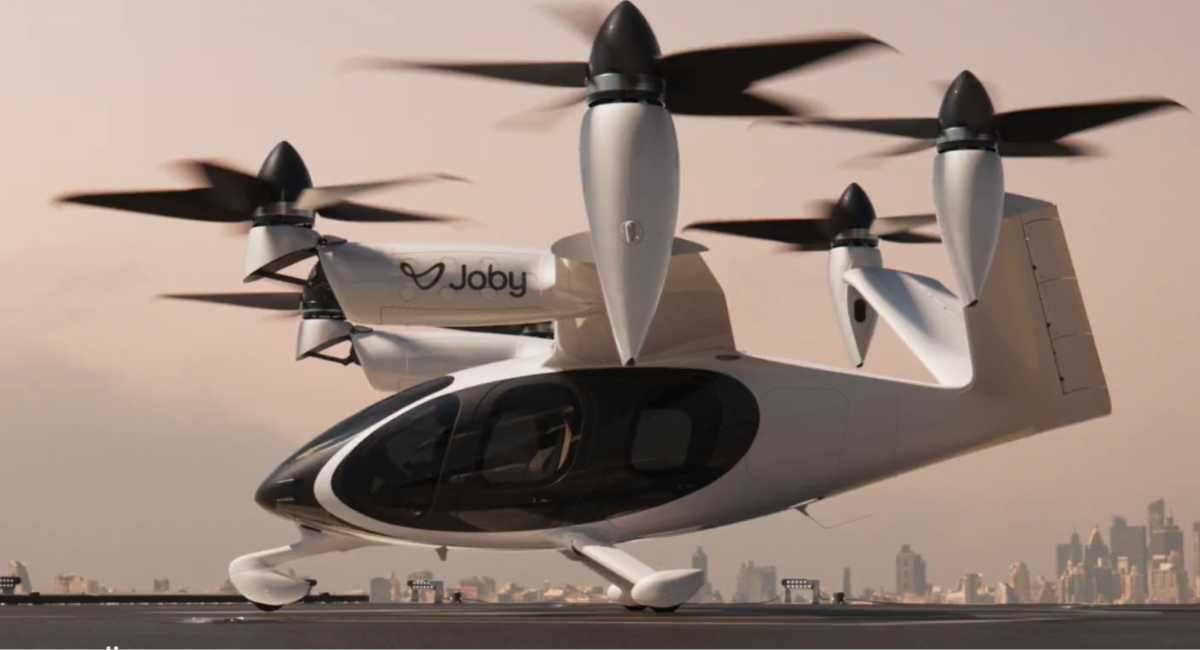
Joby Flying Car (Image Credit: jobyaviation.com)
Archer’s Aircraft (called Midnight)
- Carries 5 people (4 passengers + 1 pilot)
- Range: 100 miles
- Speed: 150 mph
- Uses electric motors (conventional design)
- Design: Made with help from Stellantis
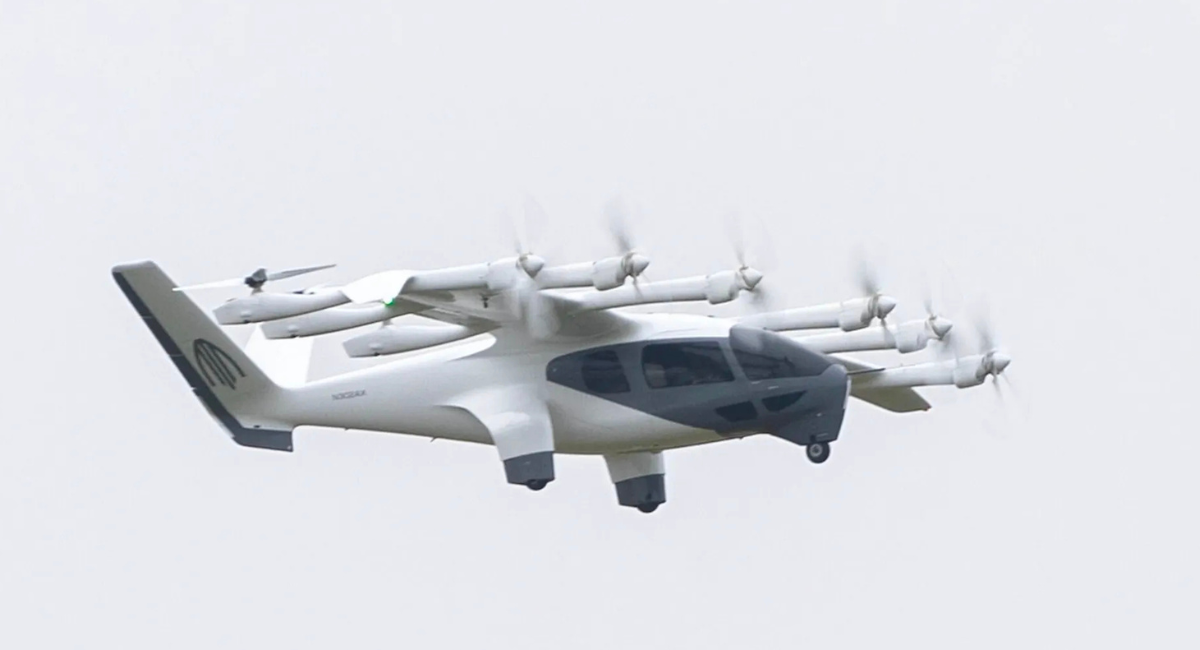
Archer Aviation Midnight (Image Credit: archer.com)
Lilium’s Aircraft (called Lilium Jet)
- Carries 6 people (5 passengers + 1 pilot)
- Range: 150+ miles
- Speed: 160+ mph
- Uses jet engines powered by electricity (NEW design)
- Design: More powerful but more complex
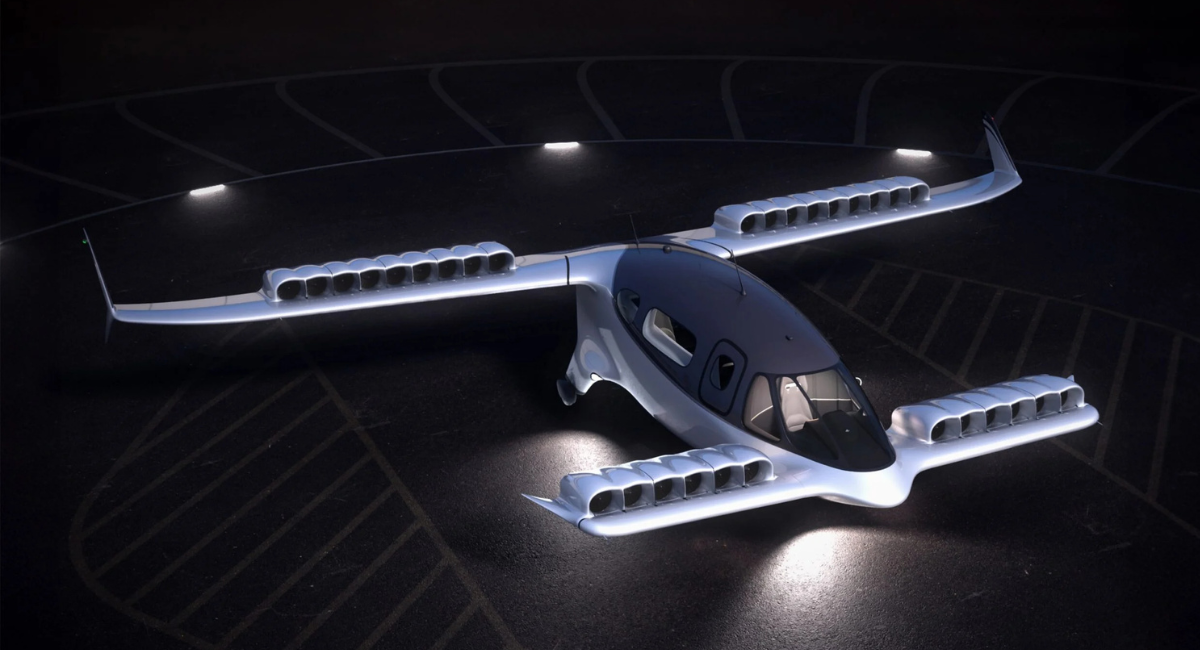
Lilium Jet (Image Credit: jet.lilium.com)
Lilium’s design is more innovative. Lilium invented something new. But innovative is not always better. Joby and Archer use conventional designs that are simpler and easier to build.
Here’s the issue: regulators have never approved a jet-powered flying taxi before. Lilium’s design will take longer to get approved. Joby and Archer use designs regulators already understand.
Comparing The Timeline
When will each company launch?
Joby: 2026 in Dubai, then 2027 in the U.S.
Archer: 2027 in the U.S.
Lilium: 2027-2028 in Europe
The main thins is – Joby launches first. That’s important. Joby will get lot of experience and can fix problems easily. Joby can build customers first.
Archer launches second. That’s okay. Archer will still be early to market.
Lilium launches latest and its timeline is risky. The company’s new jet design might take longer to get approved. If approval takes extra time, Lilium could launch in 2029 or later.
In a race where timing matters, Joby wins. Archer comes second and Lilium third.
Comparing The Support
Who’s supporting each company?
Joby’s Support
- Toyota: manufacturing knowledge
- Intel: technology expertise
- Delta, United, JetBlue: airlines that will use the service
- DARPA: U.S. government support
Joby has support from car companies, technology companies, airlines, and the government. That’s powerful.
Archer’s Support
- Stellantis: building factories for Archer
- United Airlines: will buy aircraft and operate routes
Archer has support from a giant car company and a major airline. This is strong but focused.
Lilium’s Support
- Venture capital firms (investment companies)
- That’s it. No big car company. No airline customer.
Lilium has money from investors but not from big strategic companies.
In business, support from big companies matters. It means those companies believe in you. Joby has the most diverse support. Archer has focused support. Lilium is support-weak.
Comparing The Markets
Each company is focusing on different markets.
Joby wants to be global. Joby starts in Dubai, then launches worldwide.
Archer focuses on the U.S. market. Archer is partnering with United Airlines. Archer is building U.S. cities.
Lilium focuses on Europe. Lilium doesn’t want to compete with Joby and Archer in the U.S.
This is actually smart strategy by Lilium. Instead of competing with Joby everywhere, Lilium focuses on Europe where the market is slightly different.
But here’s the reality: the U.S. market is bigger and richer than the European market. If Joby and Archer launch successfully in the U.S., Lilium will be behind from day one.
Simple Comparison
FUNDING
Joby: $976M | Archer: $550M | Lilium: $350M
TIMELINE
Joby: 2026 Dubai / 2027 U.S. | Archer: 2027 U.S. | Lilium: 2027-28 Europe
AIRCRAFT TYPE
Joby: Conventional electric | Archer: Conventional electric | Lilium: Innovative jet hybrid
MANUFACTURING
Joby: Building capacity | Archer: Stellantis help | Lilium: Building from scratch
BIG COMPANY BACKING
Joby: YES (Toyota, Intel) | Archer: YES (Stellantis) | Lilium: NO
AIRLINE CUSTOMERS
Joby: Maybe | Archer: YES (United) | Lilium: None yet
MARKET STRATEGY
Joby: Global | Archer: U.S. focused | Lilium: Europe focused
BIGGEST RISK
Joby: Timeline slips | Archer: Stellantis backing ends | Lilium: Regulatory delays + low funding
COMPETITIVE POSITION
Joby: Clear leader | Archer: Strong #2 | Lilium: #3 (risky)
My Opinion: Amit’s Honest Review (Joby vs Archer vs Lilium)
I have followed these three companies and here’s what I really think:
Joby will probably win. Joby has the most money, the best support, and the fastest timeline. It started building in 2009 when others were just ideas. Joby will launch first in Dubai in 2026. That experience matters. Joby will dominate globally.
Archer will be successful as #2. Archer has Stellantis support, which is huge. Archer has United Airlines as a customer. Archer will own the U.S. market. Archer doesn’t need to beat Joby globally. If Archer succeeds in the U.S., Archer will be worth billions.
Lilium has the biggest problems to solve. Lilium has great innovation but the riskiest timeline. Lilium’s jet technology is cool but takes longer to approve. The company only has $350 million. If Lilium doesn’t launch by 2028, it will run out of money and in the result it might get acquired or merge with another company.
My prediction for 2030:
- Joby is the global market leader
- Archer owns the U.S. market
- Lilium either gets acquired or merges with a European company
- EHang (not in this comparison) owns Asia and is very profitable
But here’s what’s important: all three companies will probably create value. The eVTOL market is $94 billion. That’s big enough for multiple successful companies. Joby might be worth $20 billion. Archer might be worth $5-10 billion. Lilium might be worth $3-5 billion.
Joby wins the overall race. But Archer and Lilium can still be successful.
Conclusion
If you had to pick one winner, pick Joby. Joby has the capital, the support, the timeline, and the global vision.
If you want the safer #2 pick, pick Archer. Archer has Stellantis and United Airlines. Archer is focused on the U.S. market, which is huge.
If you respect innovation, respect Lilium. But Lilium has the most risk. Lilium is innovating but running out of time.
By 2030, we’ll know who won. For now, Joby is the favorite.
Read More About These Companies
Want to learn more? Read our individual company articles:
- Joby Aviation: The Flying Taxi Company Backed by Toyota
- Archer Aviation: United Airlines Flying Taxi Partner
- Lilium: The Jet-Powered eVTOL Company
Also read: eVTOL Funding 2026: How Much Money Did Each Company Raise?
Questions?
Contact Air Taxi Central at contact@airtaxicentral.com or reach Amit at amit@airtaxicentral.com.
Air Taxi Central | Covering the eVTOL Revolution
Company Analysis
Wisk Aero: The Flying Taxi With No Pilot
What is Wisk Aero? Boeing’s autonomous flying taxi company. Learn why autonomous is different, Boeing’s manufacturing advantage, and how Wisk could dominate the market long-term.
Why Boeing’s Secret Aircraft Company Could Change Everything
Here’s a question nobody asks: where’s Boeing in the flying taxi market?
Joby has Toyota. Archer has Stellantis. Lilium has venture capital. But where’s Boeing?
The answer is: Wisk Aero.
As per the official information, the Wisk Aero is Boeing’s secret flying taxi company. Most people don’t know Wisk exists. Nobody talks about it. But Boeing is investing billions on it.
And Wisk is doing something nobody else is doing: autonomous flight. No pilot. No human in the cockpit. Just an aircraft that flies and lands by itself.
That’s different from every other flying taxi company.
Who Is Wisk Aero?
Let me explain what Wisk Aero actually is. Wisk Aero is a flying taxi company founded in back 2019. Wisk is owned by Boeing. Well it is partially owned. Boeing owns 80% of Wisk. The original founders own 20%.
That ownership structure is important. It means Boeing is serious about Wisk. Boeing put real money in. Boeing is committed.
Here’s what Wisk does:
- Wisk builds eVTOL aircraft (electric vertical takeoff and landing aircraft).
- Wisk designs autonomous systems (no pilot needed).
- Wisk is developing urban air mobility solutions (flying taxis for cities).
- Wisk is NOT trying to compete directly with Joby and Archer.
- Wisk is trying to do something different, harder and could be more valuable.
Boeing’s Flying Taxi Strategy
Boeing owns Wisk. Boeing is not just an investor. Boeing is Wisk’s parent company.
Why does Boeing care about flying taxis?
Boeing makes airplanes. Commercial airplanes. Big airplanes. The kind you fly from New York to Los Angeles.
But the aviation market is changing. Electrification is coming. Smaller aircraft are coming. Urban air mobility is coming.
Boeing sees flying taxis as the future of aviation. Boeing doesn’t want to be left behind. So Boeing invested in Wisk.
Boeing’s strategy is simple: Let Wisk build the technology. Let Wisk prove the market works. Then Boeing uses its manufacturing power to scale it.
This is different from other companies. Joby built everything itself. Archer partnered with Stellantis. But Boeing owns Wisk completely.
That means Boeing controls Wisk’s future.

Wisk Aero (Image Credit: wisk.aero)
The Autonomous Question: No Pilot
Here’s what makes Wisk different: autonomous flight.
Joby’s aircraft has a pilot. Archer’s aircraft has a pilot. Lilium’s aircraft has a pilot. A human sits in the cockpit and controls the aircraft.
Wisk’s aircraft does NOT have a pilot.
Wisk’s aircraft is fully autonomous. The aircraft flies itself. Lands itself. Makes decisions by itself. This sounds amazing. And it is. But it’s also very difficult.
Why is autonomous flight hard?
Flying is complicated. Weather changes. Wind patterns shift. Air traffic control needs to communicate. Passengers need to feel safe. Making an aircraft that handles all of this without a human is very difficult.
Current status of Wisk’s autonomous system:
Wisk has flown autonomous flights. Wisk has tested the technology. But the technology is NOT ready for passengers yet.
Why? Because regulators don’t trust it yet. The FAA (Federal Aviation Administration) is very careful about autonomous aircraft. The FAA needs to certify that the system is safe. That takes time and testing.
Timeline for autonomous certification:
2026-2027: More testing and validation
2027-2028: FAA certification discussions
2028-2029: Possible limited autonomous service
2030+: Full autonomous service (maybe)
This is slower than other companies. Joby will launch with pilots in 2026-2027. Wisk will be years behind.
But when Wisk launches, it will be different. No pilots means lower operating costs. No pilots means safer operations (fewer human errors).
Wisk’s Aircraft: The Cora
Wisk’s aircraft is called the Cora.
Here’s what Cora does:
Capacity: 2 passengers + 1 autonomous system (no pilot needed)
Range: 20-30 miles (short range)
Speed: 100+ mph
Battery: Electric (like all eVTOL)
Design: Vertical takeoff and landing
Wait. 2 passengers? That’s tiny.
Compare to other companies:
Joby: 4 passengers
Archer: 4 passengers
Lilium: 5 passengers
Wisk: 2 passengers
Wisk’s aircraft is half the size. That’s a problem.
Why is Wisk’s aircraft so small?
Autonomous systems are heavy. The computer systems, sensors, software, batteries—all of it adds weight.
Wisk had to make a choice: make the aircraft bigger (need more power, more weight) OR make the aircraft smaller (reduce weight, but fewer passengers).
Wisk chose smaller.
This is a real disadvantage. If Wisk can only carry 2 passengers per flight, and Joby can carry 4, then Joby makes twice as much money per flight.
Wisk’s Funding: Boeing’s Checkbook
How much money does Wisk have?
Wisk’s funding is complicated. Wisk is owned by Boeing. Boeing is a multi-billion dollar company. Boeing can put as much money as Boeing wants into Wisk.
Public funding announcements by Wisk:
Series A (2019): Wisk raised money from venture capitalists
Series B (2021): More funding from venture investors
Series C (2023): Boeing increased ownership stake
But the total amount is not public. Wisk doesn’t announce exact numbers.
Best estimate: Wisk has access to $500 million to $1 billion in funding. That’s less than Joby ($976 million announced) but more than Lilium ($350 million).
The difference: Joby raised money from multiple sources. Wisk has Boeing. Boeing’s backing is very powerful.
If Wisk needs more money, Boeing will give it. Boeing doesn’t negotiate. Boeing just writes checks.
The Boeing Advantage: Manufacturing Power
Here’s Wisk’s biggest advantage: Boeing.
Boeing is not a startup. Boeing is a $50+ billion company. Boeing has factories. Boeing has supply chains. Boeing has manufacturing expertise.
When it will be the right time for Wisk to produce aircraft at scale, Boeing will make them.
Compare to other companies:
Joby: Building manufacturing capacity from scratch
Archer: Partnering with Stellantis (big help)
Lilium: Building manufacturing capacity from scratch
Wisk: Has Boeing (world’s biggest aircraft company)
Boeing has made 10,000+ commercial airplanes. Boeing knows how to manufacture complex aircraft. Boeing has the factories. Boeing has the supply chains. Boeing has the expertise.
When Wisk needs to build 1,000 aircraft per year, Boeing can do it. Joby and Archer would struggle. Wisk just needs to ask Boeing.
Wisk’s Timeline: Slower But Steady
When will Wisk launch?
Current timeline:
2026: More autonomous testing
2027: FAA certification discussions
2028: Possible limited autonomous service
2029-2030: Full commercial service
This is slower than Joby (2026-2027) and Archer (2027).
Why is Wisk slower?
Autonomous certification takes longer. Regulators need to certify every part of the autonomous system. That takes testing. That takes time.
But Wisk accepted this. Wisk knows autonomous will take longer. But Wisk believes autonomous is worth the wait.
Market Strategy: Start Small
Wisk’s market strategy is different from other companies.
Joby wants to be global. Archer wants to be U.S. focused. Lilium wants to be European.
Wisk wants to start very small. Then expand slowly.
Wisk’s strategy:
Phase 1 (2028-2029): Launch in 1-2 cities (maybe New Zealand or small U.S. cities)
Phase 2 (2029-2030): Expand to 3-5 cities
Phase 3 (2030-2032): Expand to major cities
Phase 4 (2032+): Global expansion
This is slower. But it’s safer. Wisk is being cautious. Wisk wants to prove autonomous works before expanding.
This makes sense. Autonomous is new. Passengers will be nervous. Regulators will be careful. Wisk should start small and prove it works.
Autonomous Technology: The Real Advantage
Here’s why Wisk is interesting: autonomous technology is the future.
Autonomous driving changed cars. Tesla proved autonomous is possible. Other car companies are following.
Flying taxis will be the same. Autonomous flying will be the future. Whoever wins autonomous flying wins the long term.
Wisk is all set to bring on autonomous product. Other companies are all set for pilot based eVTOLs.
If autonomous works (and regulators allow it), Wisk wins.
If autonomous doesn’t work (or takes 20 years to approve), Wisk loses.
This is a big thing!
Why is autonomous better?
Lower operating costs (no pilot salary)
Safer operations (fewer human errors)
More reliable (consistent performance)
Scalable (aircraft can work 24/7)
But if it doesn’t work, all of this is meaningless.
Comparison To Other Companies
Let me compare Wisk to Joby, Archer, and Lilium.
Wisk vs Joby:
Joby: $976 million funding, 4 passengers, 2026 launch, pilots, global strategy
Wisk: $500M-1B funding, 2 passengers, 2028 launch, autonomous, small start
Winner for near term: Joby (more passengers, earlier launch)
Winner for long term: Wisk (if autonomous works)
Wisk vs Archer:
Archer: $550 million + Stellantis, 4 passengers, 2027 launch, pilots, U.S. focused
Wisk: $500M-1B funding + Boeing, 2 passengers, 2028 launch, autonomous, small start
Winner for near term: Archer (earlier launch, more passengers)
Winner for long term: Wisk (if autonomous works)
Wisk vs Lilium:
Lilium: $350 million, 6 passengers, 2027-2028 launch, pilots, Europe focused
Wisk: $500M-1B + Boeing, 2 passengers, 2028 launch, autonomous, small start
Winner for near term: Lilium (more passengers, innovative design)
Winner for long term: Wisk (Boeing backing, autonomous)
The Real Risks: Why Wisk Might Fail
Wisk has big advantages. But Wisk also has real risks.
Risk 1: Autonomous Certification
The FAA has never certified a fully autonomous aircraft for passengers. The FAA will be very careful. Certification could take 10+ years.
If certification takes too long, Wisk won’t launch on time. Other companies will have a 5+ year head start.
Risk 2: Passenger Fear
Passengers are scared of autonomous aircraft. No pilot is scary. Most people won’t fly in a pilotless aircraft. Not yet.
Wisk needs to prove autonomous is safe. That takes time and successful flights. Until then, demand could be low.
Risk 3: Small Capacity
2 passengers per flight is small. Joby carries 4. The fewer passengers, the less money per flight. Wisk makes half as much per flight as Joby.
Wisk can fix this. Make the aircraft bigger. But bigger means more weight. More weight means more batteries. More batteries means less range.
Wisk has to solve this engineering problem.
Risk 4: Competition From Other Autonomous Companies
Wisk is not alone in autonomous aviation. Other companies are working on autonomous aircraft. They might succeed before Wisk. Or they might offer something better.
Risk 5: Boeing’s Commitment
Boeing owns Wisk. If Boeing changes its strategy, Wisk could be abandoned. Boeing focuses on large commercial airplanes. If large airplanes become unprofitable, Boeing might abandon Wisk.
Partnerships And Strategy
Wisk has Boeing. That’s Wisk’s main partnership.
But Wisk is also talking to:
Air traffic control (integrating autonomous into existing systems)
City governments (planning autonomous operations)
Vertiport operators (landing infrastructure)
Insurance companies (coverage for autonomous aircraft)
Wisk needs all of these. Wisk can’t launch without them.
Why Nobody Talks About Wisk
Wisk is not as famous as Joby or Archer. Why?
Reasons Wisk is unknown:
- Wisk is owned by Boeing (not independent)
- Wisk doesn’t raise public funding (announced)
- Wisk doesn’t have celebrity backers
- Wisk doesn’t have major partnerships with airlines
- Wisk’s timeline is far away (2028+)
- Wisk’s autonomous approach is controversial
- Wisk’s aircraft is small (only 2 passengers)
Joby is famous because Joby is independent, raises big funding, has Toyota backing, and launches early.
Wisk is less famous because Wisk is Boeing’s side project.
But that doesn’t mean Wisk is not important. Wisk is very important. Wisk just doesn’t get attention yet.
My (Amit’s) Honest Opinion
Here’s what I really think:
For the next 5 years, Wisk loses. Joby and Archer will launch first. Joby and Archer will build experience. Joby and Archer will establish the market. Wisk will still be testing autonomous systems.
By 2028, Joby will have been operating for 2 years. Archer will have been operating for 1 year. Wisk will just be starting. That’s a huge disadvantage.
But after 2030, Wisk could win. If autonomous works, Wisk has huge advantages. Boeing’s manufacturing. Autonomous technology. No pilots.
Operating a flying taxi with 2 passengers and no pilots is cheaper than operating with 4 passengers and 1 pilot. Over time, cost matters. Wisk’s model is cheaper.
My prediction:
2026-2030: Joby and Archer dominate. They have the early advantage.
2030-2035: Wisk catches up. Autonomous works. Wisk’s costs are lower.
2035+: Wisk wins the long game. But Joby and Archer still survive. The market is big enough for multiple winners.
What scares me about Wisk:
Autonomous takes longer than expected. It always does. Autonomous cars have been “5 years away” since 2015. Flying taxis could be the same.
If autonomous takes 10 years to certify, Wisk is finished. The market moves on. Joby dominates.
What excites me about Wisk:
Boeing’s backing. Boeing is not a venture capitalist. Boeing is a real manufacturing company. When Wisk is ready, Boeing will scale it. No startup struggles with manufacturing. No supply chain issues. Boeing handles it.
That’s powerful.
My honest assessment:
Wisk is the most interesting long-term bet in eVTOL. But Wisk is the riskiest bet for the next 5 years.
If you’re betting on 2026-2030 flying taxi success, pick Joby. Joby will dominate.
If you’re betting on 2035-2050 flying taxi dominance, pick Wisk. Autonomous and Boeing’s manufacturing will win.
For now, Joby wins. But Wisk is the future.
Conclusion
Wisk Aero is Boeing’s flying taxi company. Wisk is building autonomous aircraft. Wisk has Boeing’s manufacturing power.
For the next 5 years, Joby and Archer will dominate. They launch earlier. They have more passengers.
But for the long term, Wisk could win. Autonomous is the future. Boeing’s manufacturing is powerful.
Wisk is the sleeping giant in eVTOL. Nobody talks about it. But Wisk could change everything.
Want To Learn More?
Read our complete eVTOL company guides:
- Joby Aviation: The Flying Taxi Company Backed by Toyota
- Archer Aviation: United Airlines Flying Taxi Partner
- Lilium: The Jet-Powered eVTOL Company
- Vertical Aerospace: The British Company That Just Saved Itself
Also read our analysis articles:
- eVTOL Funding 2026: How Much Money Did Each Company Raise?
- Joby vs Archer vs Lilium: Which Will Actually Win?
- Vertiports: The Hidden Infrastructure Challenge
Questions?
Contact Air Taxi Central at contact@airtaxicentral.com or reach Amit at amit@airtaxicentral.com.
Company Analysis
Vertical Aerospace: The British eVTOL Company That Just Saved Itself
Vertical Aerospace just raised $850 million in new funding, positioning itself as a serious eVTOL competitor. Learn about the company’s path to launch, partnerships, and market potential.
How $850 Million in New Funding Changes Everything
Vertical Aerospace just did something remarkable: it gave itself a second chance at life.
In April 2026, the British flying taxi company announced $850 million in new funding. That’s not just money. That’s validation. That’s proof that investors still believe in Vertical. That’s the difference between a company that survives and a company that disappears.
Six months ago, Vertical was running low on budget. The path to FAA certification was longer than planned. The competition was getting faster, better funded, and more aggressive.
But then the funding arrived: $250 million from Yorkville Advisors, $500 million in credit facilities, and $50 million from Mudrick Capital. And with that money came something equally valuable: time. Time to finish development. Time to pursue certification. Time to prove that British engineering can win in the flying taxi race.
This is the story of Vertical Aerospace’s comeback. And honestly? It changes everything we thought we knew about the company’s chances.
The Recent Funding: New Twist
Vertical Aerospace’s April 2026 funding deal is the most important announcement in the company’s history. Here’s why it matters so much.
The Numbers Tell the Story
The funding breakdown reveals how serious investors are about Vertical’s future:
- $250 million from Yorkville Advisors – Long-term capital partner
- $500 million credit facility – Additional runway if needed
- $50 million from Mudrick Capital – Respected venture capitalist
- $160 million immediately available – Ready to spend
- $700 million for certification – Path to commercial operations
Total: $850 million. That’s real money. That’s game-changing money and the company is all set to showcase skills.
But here’s what’s even more important: the structure of the deal. This isn’t venture capital bid on a moonshot. This is structured capital with specific milestones. Yorkville is known for strategic, long-term investments in companies with real technology.
That suggests investors have looked under the hood and liked what they saw.
Why This Timing Matters
Six months ago, Vertical was in a precarious position. The company had raised $200 million total. That sounded like a lot until you compared it to competitors:
- Joby Aviation: $976 million
- Archer Aviation: $550 million
- Lilium: $350 million
- Volocopter: $250 million
- Vertical Aerospace: $200 million (before this round)
Vertical was the most underfunded company among the leaders. The company was burning cash at an aggressive rate. The timeline to certification was slipping.
Then came the $850 million announcement.
Now Vertical has $1.05 billion in total committed capital. That puts Vertical in the conversation with the real leaders. Not Joby Aviation or Archer Aviation level, but no longer the financially weakest player at the table.
Who Is Vertical Aerospace?
Vertical Aerospace is a British eVTOL startup founded in 2014. Yes, you read that correctly: 2014. The company has been working on flying taxis for over a decade.
Most eVTOL companies were founded after 2016. Vertical was already in development when most competitors didn’t exist. That means Vertical’s team has been thinking about eVTOL longer than almost anyone.
The Company’s Real Advantage: Rolls-Royce Partnership
Here’s what separates Vertical from other emerging companies: Rolls-Royce.
Rolls-Royce is one of the world’s most respected aerospace and defense companies. They’ve been building aircraft engines for over 100 years. They’ve supplied engines to Boeing, Airbus, and every major aerospace manufacturer on Earth.
And Rolls-Royce chose Vertical.
In 2021, Rolls-Royce signed a partnership with Vertical Aerospace to develop hybrid-electric propulsion systems. This wasn’t venture capital betting on a technology that might work. This was an aerospace giant saying: “Vertical’s approach is solid. We’re putting our reputation and resources behind it.”
That’s the kind of validation you can’t buy with money alone.
The VA-X4: Serious Engineering
Vertical’s flagship aircraft is the VA-X4. It’s designed to carry four passengers and a pilot. It’s designed for urban air mobility—short distances, city-to-city flights, airport commutes.
The specifications look competitive:
- Capacity: 5 people (4 passengers + 1 pilot)
- Range: 100 miles (160 km)
- Speed: 150 mph (240 km/h)
- Vertical takeoff: Full VTOL, no runway needed
- Power: Hybrid-electric (electric + combustion backup)
- Development: 10+ years of iteration

Vertical Aerospace (Image Credit: vertical-aerospace.com)
The VA-X4 is not a concept. It’s not a rendering. It’s an aircraft that’s been tested, refined, and improved for over a decade.
The Funding Lifeline: $850 Million Explained
Vertical’s April 2026 funding deal is structured differently than typical venture capital. Understanding the structure reveals why this funding is so valuable.
Yorkville Advisors: The $250 Million Anchor
Yorkville Advisors is not a traditional venture capital firm. Yorkville is a strategic investment company that focuses on long-term, structured deals with companies that have proven technology.
The $250 million commitment from Yorkville means:
- Deep investor confidence – Not betting on a concept, betting on proven technology
- Long-term partnership – Yorkville wants to be with Vertical for years, not months
- Significant capital – $250 million is enough to complete major development phases
- Reputation backing – Yorkville has invested in other aerospace and aviation companies
This isn’t just money. It’s validation from a respected institutional investor.
$500 Million Credit Facility: The Safety Net
In addition to $250 million in direct investment, Yorkville also provided a $500 million credit facility. This is important.
A credit facility is like a credit card. Vertical doesn’t have to use all $500 million immediately. But if the company needs it—for faster development, for unexpected costs, for hiring more engineers—the money is there.
This is more sophisticated than venture capital. This is institutional capital structure.
$50 Million from Mudrick Capital
Mudrick Capital is one of the most respected venture investors in the aerospace and automotive sectors. Mudrick has invested in companies like Arrival and Fisker. Mudrick understands the capital needs and timelines for hardware companies.
The $50 million from Mudrick signals that serious aerospace investors are bullish on Vertical.
$160 Million Available Immediately
Here’s the critical detail: $160 million of this funding is available to Vertical immediately. Not next quarter. Not next year. Now.
That means Vertical can:
- Accelerate VA-X4 development
- Hire more engineers
- Complete more testing phases
- Move faster through certification
- Build manufacturing partnerships
In the eVTOL race, speed matters. Having $160 million available to spend immediately gives Vertical momentum.
The Timeline: When Does Vertical Launch?
Vertical’s timeline is critical to understanding the company’s position in the broader eVTOL market.
Certification Timeline
Vertical is pursuing FAA certification in the United States. The company is targeting:
- 2028: FAA Type Certification approval
- 2028-2029: Begin commercial operations
- 2029+: Scale and expand operations
Is this timeline realistic? Yes. Here’s why:
- 10+ years of development – Vertical has been working on this since 2014
- Rolls-Royce partnership – Aerospace expertise built into the design
- Serious funding – $1.05 billion is enough to move fast
- Clear regulatory path – FAA has guidelines for eVTOL certification
Vertical won’t launch before Joby (2026 Dubai) or Archer (2027 U.S.). But 2028-2029 is realistic and achievable.
How This Compares to Competitors
Let’s be honest about the competitive timeline:
| Company | Launch Target | Status |
|---|---|---|
| EHang | Operating NOW | Already flying |
| Joby | 2026 Dubai | On track |
| Archer | 2027 U.S. | On track |
| Lilium | 2027-28 Europe | On track |
| Volocopter | 2028+ | Underfunded, slipping |
| Vertical | 2028-29 U.S. | NOW ON TRACK |
Vertical is no longer the “last company to launch.” With $1.05 billion in committed capital, Vertical is in a realistic race with Lilium and Volocopter for third place.
That’s a massive improvement from six months ago.
The Competitive Position: Where Vertical Stands Now
With $850 million in new funding, Vertical’s position in the eVTOL market has fundamentally changed.
Vertical’s Strengths
- British engineering heritage – Operating in Europe with potential U.S. expansion
- Rolls-Royce partnership – Aerospace expertise that competitors don’t have
- Proven technology – 10+ years of development, not a new concept
- Adequate funding – $1.05 billion is enough to compete seriously
- Clear regulatory path – FAA certification is achievable
Vertical’s Challenges
- Later timeline – Won’t launch until 2028-29, behind leaders
- U.S. focus without airline partner – Unlike Archer (United), Vertical has no airline backing
- Smaller addressable market initially – Limited to 100-mile routes
- Manufacturing scale – Will need to build aircraft at scale to compete
The Realistic Assessment
Here’s the honest truth: Vertical Aerospace is no longer the highest-risk eVTOL company. With $1.05 billion in committed capital and $160 million immediately available, Vertical has moved into the “real competitor” category.
Vertical won’t dominate the market. Joby probably will in 2026-27. Archer will probably win the U.S. market with United Airlines backing.
But Vertical? Vertical can absolutely establish itself as a serious player in Europe and the U.S. by 2029.
The $850 million funding announcement changed that calculus.
Funding Comparison: How Vertical Measures Up
With $1.05 billion in committed capital, how does Vertical compare to other eVTOL leaders?
| Company | Total Funding | Runway | Status |
|---|---|---|---|
| Joby | $976M | Sufficient | Market Leader |
| Archer | $550M | Adequate | Strong #2 |
| Lilium | $350M | Tight | Underfunded |
| EHang | $400M+ | Operating | Profitable |
| Volocopter | $250M | Critical | Struggling |
| Vertical | $1.05B | STRONG | Back in Game |
The April 2026 funding announcement put Vertical in a fundamentally different position. Vertical now has more committed capital than Lilium, Volocopter, and EHang.
That matters.
Why The Funding Matters For Vertical’s Future
The $850 million announcement isn’t just about numbers. It’s about momentum.
What This Funding Enables
- Accelerated certification – More engineers, faster progress
- Manufacturing partnerships – Money to build production relationships
- Talent attraction – Ability to hire top aerospace engineers
- Market confidence – Investors backing the company signals the product is real
- Geographic expansion – Resources to pursue both U.S. and European markets
What Changes In The Market
Before April 2026: Vertical was a company running on fumes, hoping to survive until certification.
After April 2026: Vertical is a well-funded company with a clear path to commercial operations.
That changes everything about how the market perceives the company.
Is Vertical A Good Investment?
With $1.05 billion in funding and a clear path to 2028-29 launch, is Vertical Aerospace a good investment?
Here’s the honest assessment:
The upside is real. If Vertical launches the VA-X4 on schedule in 2028-29, the company could capture significant market share in the 100-mile route market. That’s valuable.
The risk is also real. Certification could slip. Manufacturing could face challenges. Competition could intensify. The market might develop differently than expected.
But here’s what’s changed: Vertical is no longer a company betting its survival on finding funding. Vertical is a company with $160 million available to spend immediately and a clear path to commercial operations.
That’s fundamentally different.
My Opinion: Amit’s Analysis
I have watched Vertical Aerospace for two years, and I’ll be honest: I have been shocked. The company was underfunded. The timeline was slipping. The competitive position was deteriorating. I wrote Vertical off as likely to be acquired or merged out of existence.
Then came the April 2026 funding announcement. And I had to reconsider.
Here’s what the $850 million means: I was wrong about Vertical’s timeline, but I wasn’t necessarily wrong about the company’s market position.
Let me be clear: this funding doesn’t make Vertical the favorite. Joby is still the market leader. Archer still has United Airlines backing. Lilium still has European momentum.
But Vertical? Vertical is no longer the underfunded longshot. Vertical is a legitimate player with real capital, proven technology, and a clear path to commercial operations.
Will Vertical become a market leader? Probably not. Vertical will probably establish itself as a solid #3 or #4 player in the eVTOL market. That’s a $10-20 billion company. That’s not failure. That’s success.
The real question is whether Vertical can execute on its timeline and funding. If the company hits its milestones—certification by 2028, launch by 2029—then Vertical becomes a serious player.
If the company slips or encounters unexpected challenges, then the funding just extends the runway before a potential acquisition.
Either way, Vertical Aerospace is not the company I thought it was six months ago. The April 2026 funding changed that. I’m watching Vertical more carefully now. And I’m giving the company much better odds than before.
Conclusion
Vertical Aerospace just proved something important: the company is not dead. The company is alive and well-funded.
With $850 million in new funding, Vertical has:
- $160 million immediately available
- Clear path to FAA certification (2028)
- Realistic launch timeline (2028-29)
- Proven technology (10+ years development)
- Aerospace partner (Rolls-Royce)
- Competitive market position
Vertical won’t dominate the eVTOL market. But Vertical will probably be a significant player.
In a $94 billion market, that’s valuable.
Quick Links & Contact
Want to learn more about Vertical Aerospace?
- Official Website: verticalaerospace.com
- LinkedIn: Vertical Aerospace
- Funding Announcement: verticalaerospace.com/press
Want to compare Vertical to other eVTOL companies?
Read our full coverage:
- Joby Aviation: The Flying Taxi Company Backed by Toyota
- Archer Aviation: United Airlines Flying Taxi Partner
- Lilium: The Jet-Powered eVTOL Company Taking Over Europe
- EHang Holdings: The Company Already Flying Passengers
- Volocopter: German Engineering Meets eVTOL Technology
Have questions about eVTOL or flying taxis?
Contact us at: contact@airtaxicentral.com
Direct message Amit: amit@airtaxicentral.com
Air Taxi Central | Covering the eVTOL Revolution

airtaxicentral.com | @AirTaxiCentral
Company Analysis
Volocopter: The German Startup Racing Against Time and Money
Volocopter is the German company getting ready on innovative hybrid-electric technology. But the company has half the funding of competitors and an unclear timeline. Survival is the question.
Volocopter is in a race against the clock. The company founded innovative eVTOL technology and has solid engineering. As per the official source, the company is backed by respected investors. But it has one problem: less funding than competitors and a later timeline.
This is the story of a company that’s smart, innovative, and potentially running out of time before better-funded competitors launch first.
Here’s what you need to know about Volocopter and whether the company can pull off a victory despite the funding disadvantage.
Quick Facts: Volocopter
Company Name: Volocopter GmbH
Headquarters: Bruchsal and Munich, Germany
Founded: 2011
Founder/CEO: Florian Reuter
Status: Private (currently seeking Series C funding)
Aircraft: VoloCity (2 passengers), VoloRegion (4-6 passengers)
First Commercial Flight: 2028+ (Berlin planned)
Current Funding: $250M+ raised
Major Investors: Boehringer Vehnstetter, Geely, Microsoft, Carl-Zeiss Stiftung
Timeline: 2028 or later
The Challenge: Underfunded in a Funding Race
Let’s be direct. Volocopter has less funding than every major competitor.
- Joby: $976M
- Archer: $550M
- Lilium: $350M
- EHang: $400M
- Volocopter: $250M
Volocopter raised less than half of what Joby Aviation raised. In an industry where cash is equal to development time, this is a significant disadvantage.
More money means more engineers. More engineers means faster development. Faster development means reaching market first.
Volocopter is trying to win with less. That’s possible but difficult.
The Company: Founded 2011, But Stayed Quiet
Volocopter was founded in 2011 by Florian Reuter, the same year Lilium was founded. Volocopter is not a young startup. The company has been developing for 15 years.
But Volocopter stayed relatively quiet. No major press. No celebrity investors. No flashy announcements. Volocopter just built. This is both an advantage and disadvantage.
Advantage: Volocopter has deep expertise. The company has 15 years of experience. The company knows eVTOL engineering inside out.
Disadvantage: Volocopter has less visibility. Investors prefer flashy startups with famous backers. Volocopter is the quiet, serious engineering company.
The Aircraft: VoloCity and VoloRegion
Volocopter is developing two aircraft for different markets.
VoloCity
- Passengers: 2 only
- Range: 20-35 km flight range
- Speed: 110 mph
- Takeoff: Vertical
- Design: 18 rotors (similar to EHang’s approach)
- Use: City air taxi
- Low Noise: 66dB

VoloCity (Image Credit: volocopter.com)
VoloRegion
- Passengers: 4-6
- Range: 200+ miles
- Speed: 120+ mph
- Takeoff: Vertical but can take off from small airfields
- Design: Hybrid-electric (combines battery and fuel cell)
- Use: Regional transportation

VoloRegion (Image Credit: volocopter.com)
The Strategy
Volocopter is not setting up on everything on one aircraft. Volocopter is building two: one for city use (VoloCity) and one for regional routes (VoloRegion).
This is smart. Cities want short-range, quiet urban aircraft. Regional markets want longer-range, slightly larger aircraft. By building both, Volocopter captures two markets instead of one.
But building two aircraft costs more money and that’s Volocopter missing for now.
The Timeline: When Will Volocopter Fly?
2026:
- Continued certification work with EASA
- VoloCity testing in Berlin
- VoloRegion development
2028:
- VoloCity commercial launch (Berlin planned)
- EASA certification expected
- First paying passengers
2029+:
- Expansion to other European cities
- VoloRegion launching
- Scaling operations
Key problem: 2028 is LATER than Joby (2026), Archer (2027), and Lilium (2027-28).
Volocopter is last to market among major competitors. That matters.
Funding & Investors: The Challenge
Volocopter raised $250M+, but the company is privately funded. The company is not public.
Major Investors:
- Boehringer Vehnstetter – German investment
- Geely – Chinese car manufacturer (ownership stake)
- Microsoft – Technology partnership
- Carl-Zeiss Stiftung – German foundation
The investor list is solid but less glamorous than Joby’s Toyota or Archer’s United Airlines.
Critical issue: Volocopter is actively seeking Series C funding. The company needs more money to reach certification.
If Volocopter can’t raise $300-500M in Series C, the company is in trouble. That creates pressure and uncertainty.
Competition: Volocopter vs. Others
vs Lilium:
- Lilium has more funding ($350M vs. $250M) ✓ Lilium
- Lilium has better timeline (2027-28 vs. 2028) ✓ Lilium
- Lilium has unique jet technology ✓ Lilium
- Volocopter has 15 years experience ✓ Volocopter
Winner: Lilium
vs EHang:
- EHang is already flying ✓ EHang
- EHang has more funding ($400M vs. $250M) ✓ EHang
- Volocopter has European regulatory advantage ✓ Volocopter
Winner: EHang (already operating)
The Real Issue: Series C Funding
Volocopter’s biggest challenge isn’t technology. It’s funding.
The company is seeking Series C financing. If successful, Volocopter gets $300-500M and can accelerate certification. If unsuccessful, Volocopter has to delay or reduce scope.
In a race where speed = winning, delays kill momentum.
Investment Opportunity & Risks
Why Consider Volocopter?
- German engineering (15+ years experience)
- Two aircraft strategy (two markets)
- European regulatory advantage
- Innovative technology
Risks:
- Underfunded compared to competitors
- Latest timeline to market (2028)
- Seeking Series C (creates uncertainty)
- Less visibility/credibility than competitors
- Two aircraft strategy = higher costs
- Smaller chance of market leadership
Realistic Assessment: Volocopter is the “also-ran.” The company has solid technology and experience, but less chance of winning than Joby, Archer, or Lilium.
Conclusion on Volocopter
Volocopter is a solid engineering company trying to compete with better-funded rivals.
The company’s 15 years of experience is valuable. The two-aircraft strategy is smart. The German heritage and EASA focus is credible.
But funding constraints and late timeline put Volocopter at a disadvantage. By 2030, Volocopter could be operating in 3-5 European cities. That’s respectable. But it’s not market leadership.
Volocopter is the company that makes the eVTOL industry more competitive, but probably not the overall winner.
My Opinion: Amit’s Analysis
Volocopter is my “heartbreak” company in the eVTOL space. Yes, that’s the fact.
Here’s why: I genuinely believe Volocopter has the best engineering. 15 years of development. Two aircraft strategies. Hybrid-electric innovation. Serious German engineering credibility. The company’s technology is legitimate.
But Volocopter is underfunded. And in venture capital, underfunding is a terminal disease. I watch Volocopter and see a company that deserves to win but probably won’t.
The company has the engineering chops to compete with Lilium. The company has the innovation to compete with Joby. But Volocopter is $300 million behind.
In a race where cash is equal to development speed, that gap is insurmountable. What frustrates me most is that Volocopter’s strategy is smart. Two aircraft, not one. European focus, not global ambition. Reasonable timeline, not hype.
But smart strategy can’t overcome funding shortfalls. Volocopter needs to raise Series C successfully. Needs to do it at good valuation. Needs to accelerate without burning out the team. Three things that are extremely hard simultaneously.
My prediction: Volocopter either gets acquired (most likely) or merges with another underfunded European competitor. The company probably doesn’t survive as independent.
And that’s the tragedy of the eVTOL space right now. The best technology doesn’t always win. Money wins. Partnerships win. Market position wins. Volocopter has brilliant engineering but not enough of the other three.
Quick Links & Contact
Official Website: volocopter.com
Social Media:
- Twitter: @volocopter
- LinkedIn: Volocopter
- Instagram: @volocopter
Press Contact: press@volocopter.com
Last updated: April 2nd, 2026
-
Company Analysis6 days agoJoby Aviation: The Flying Taxi Company Backed by Toyota
-
Company Analysis4 days agoLilium: The Jet-Powered eVTOL Company Taking Over Europe
-
Company Analysis5 days agoArcher Aviation: United Airlines Flying Taxi Partner
-
Technology1 week agoHow Do eVTOL Aircraft Actually Work?
-
Guides1 week agoWhat is Urban Air Mobility? The Future of City Transportation
-
Company Analysis4 days agoEHang Holdings: The Chinese Company Already Flying Passengers Right Now
-
Company Analysis3 days agoVertical Aerospace: The British eVTOL Company That Just Saved Itself
-
Market & Investment2 days agoeVTOL Funding 2026: How Much Money Did Each Flying Taxi Company Raise?
