


Market & Investment
Investing in eVTOLs: The 2026 Guide for Long-Term Holders
Complete guide to investing in eVTOL companies like Joby, Archer, and Lilium. Learn investment strategies, portfolio allocation, risks, and when to buy/sell. Long-term investor guide.
You have probably been following our Air Taxi Central blog and learning all about flying taxis and other stuff, right? If you have been paying attention, you know these things are actually happening. So maybe you are thinking: How do I get in on this? Could investing in some eVTOL companies let you be part of the flying taxi boom?.
That’s exactly what we’re covering today. Let’s dive in.
How To Invest In Flying Taxis and eVTOL Companies the Right Way
But where do you invest? How do you invest? What companies should you pick?
That’s what this guide is about. I am not a financial advisor. But one thing I can make sure is that while working on my this blog, I have studied a lot of eVTOL companies. I have researched funding, timelines, technology, and market potential.
Here’s what you need to know before investing in eVTOLs.
Important Disclaimer (Read This First)
This article is educational only. It explains eVTOL investing, but it’s not investment advice.
Never invest based on one article. Never invest money you can’t afford to lose. Flying taxi companies are high-risk investments. They might succeed, fail, get acquired or go bankrupt.
Before investing:
- Do your own research
- Talk to a financial advisor
- Understand the risks
- Only invest money you can afford to lose
What Are eVTOLs Anyway?
Quick definition: eVTOL means electric vertical takeoff and landing aircraft.
In simple Flying taxis or Air taxis.
Aircraft that take off vertically (like helicopters) and are powered by electric batteries. It can carry 1-6 passengers (depends on model) and travel 20-150 miles. In terms of noise, Air Taxis are quieter than helicopters and also cost less to operate than helicopters
eVTOLs are still being developed. None are carrying paying passengers yet. But they might start within 1-2 years.
Why Invest In eVTOLs?
Here’s the simple reason: the eVTOL market could be HUGE.
Market Size Estimates:
By 2030: $1-2 billion market
By 2035: $5-10 billion market
By 2040: $20-50 billion market
By 2050: $100+ billion market
For now these are estimates. They could be wrong. But the requirement is huge.
Why the market is huge:
- Cities are congested. Flying taxis solve traffic.
- People want to go faster. Flying taxis are fast.
- Technology is improving. Batteries are getting better.
- Companies are investing. Billions of dollars flowing in.
- Governments support it. UAE, USA, EU all pushing for eVTOL.
If eVTOLs work out, early investors could make serious money.
But it’s a big if.
The Risk Factor (You Must Understand This)
eVTOL investing is high-risk.
Why?
Technology Risk: Will the batteries work? Will the aircraft be safe? Will they fly?
Regulatory Risk: Will governments approve them? Will they allow operations?
Market Risk: Will people actually pay for flying taxis? Or is it too expensive?
Competition Risk: Too many companies. Not enough market. Some will fail.
Timeline Risk: Everything takes longer than expected. Companies might run out of money.
Company Risk: Companies might get acquired. Acquired means investors lose big.
Real Talk: Of the 50+ eVTOL companies worldwide, maybe 5 will survive to profitability. That’s 10% success rate.
Investment Options: How To Invest In eVTOLs
There are 5 ways to invest in eVTOLs:
Option 1: Buy Stocks in Public Companies
What: Buy shares of eVTOL companies on stock market
Companies:
- Joby Aviation (JOBY)
- Archer Aviation (ACHR)
- Lilium (LILM)
Pros:
- Easy to buy (any brokerage account)
- Liquid (can sell anytime)
- Transparent pricing
- Small investment amount ($500+ enough)
Cons:
- Stock prices are volatile
- Companies haven’t proven business model
- Price can drop 50% overnight
- No guaranteed returns
Best for: Short to medium-term investors who can handle volatility
Option 2: Buy Stock in Established Companies
What: Buy stock in companies backing eVTOL makers
Companies:
- Toyota (backing Joby)
- Stellantis (backing Archer)
- Airbus (backing multiple companies)
Pros:
- Lower risk (established companies)
- Dividend income possible
- Proven business models
- Stock more stable
Cons:
- eVTOL is small part of business
- Less exposure to eVTOL upside
- Stock price might not move much from eVTOL
Best for: Conservative investors wanting eVTOL exposure without high risk
Option 3: Buy Venture Capital Funds
What: Invest in VC funds that back eVTOL startups
How it works:
- VC fund collects money from investors
- Fund invests in 10-20 eVTOL companies
- If companies succeed, investors profit
- If companies fail, investors lose money
Pros:
- Diversified (many companies)
- Professional management
- Access to private companies
- Better than picking individual companies
Cons:
- High fees (2-3% annually)
- Lock-up period (can’t withdraw for 5-10 years)
- Requires significant money ($10,000+)
- Hard to find (not easy for retail investors)
Best for: Wealthy investors with long time horizon
Option 4: Buy ETFs (Exchange Traded Funds)
What: Buy an ETF that contains eVTOL stocks
How it works:
- ETF holds multiple eVTOL stocks
- You buy 1 share of ETF
- You get exposure to all companies
- ETF trades like a stock
Pros:
- Diversified
- Low fees (usually)
- Easy to buy
- Can sell anytime
Cons:
- Limited selection of eVTOL ETFs
- Still risky (technology risk)
- Fees higher than index funds
Best for: Medium-risk investors wanting diversification
Option 5: Buy Aircraft Parts / Supply Chain Companies
What: Invest in companies that make parts for eVTOLs
Examples:
- Battery companies
- Electronics manufacturers
- Materials suppliers
Pros:
- Lower risk than aircraft makers
- Supply chain will exist regardless
- Multiple customers (not dependent on 1 company)
Cons:
- Less upside than aircraft makers
- Harder to find (not obvious)
- Lower growth potential
Best for: Risk-averse investors wanting eVTOL exposure
The Companies: Which One To Invest In?
If you’re buying individual stocks, which should you pick?
Let me give you my honest assessment.
JOBY Aviation (JOBY)
The Case For:
- Most funded ($976 million)
- Backed by Toyota ($590 million)
- Furthest along (launch 2026-2027)
- Best leadership
- Best chance to win
The Case Against:
- Most expensive stock (already priced in expectations)
- Most competition
- Smallest margin for error
- Regulatory approval still uncertain
My Opinion: Joby is the safest decision.
Price: Check stock market (varies daily)
Fair Valuation: $12-25 per share (my estimate, could be wrong)
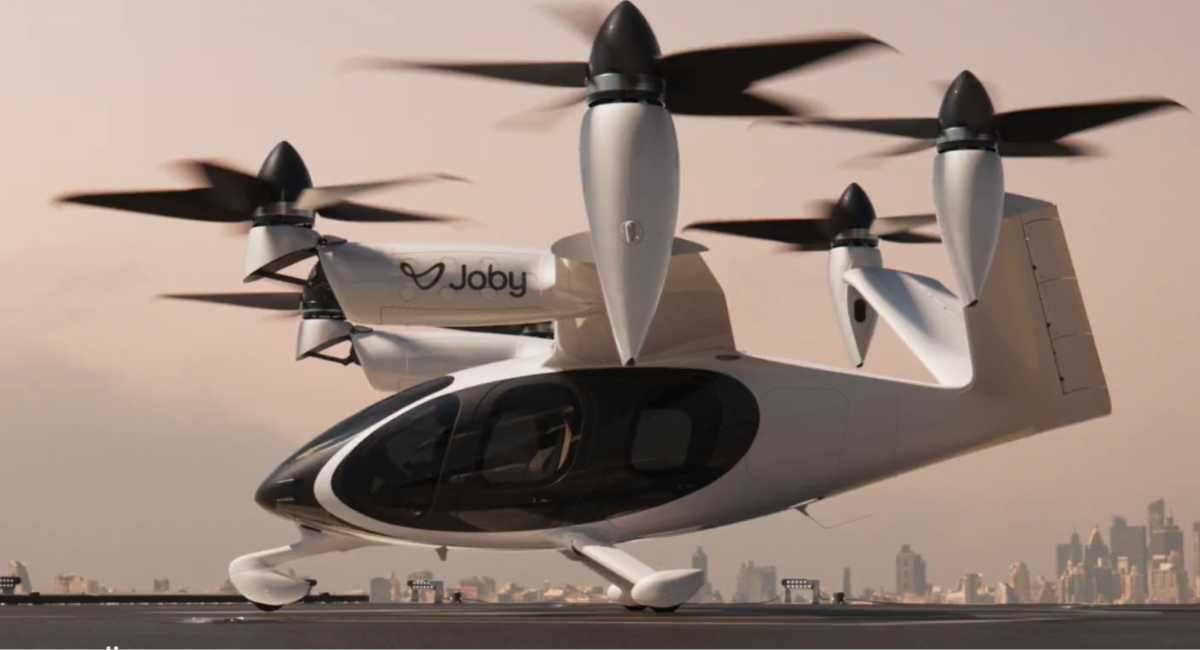
Joby Flying Car (Image Credit: jobyaviation.com)
ARCHER Aviation (ACHR)
The Case For:
- Well-funded ($550 million)
- Backed by Stellantis ($150 million)
- United Airlines partnership (customer!)
- Good technology
- US-focused (regulatory advantage)
The Case Against:
- Less funded than Joby
- Less proven than Joby
- More competition in US market
- Later launch than Joby
My Opinion: Archer is also good option. Slightly riskier than Joby. Could have better upside.
Price: Check stock market (varies daily)
Fair Valuation: $12-20 per share (my estimate, could be wrong)
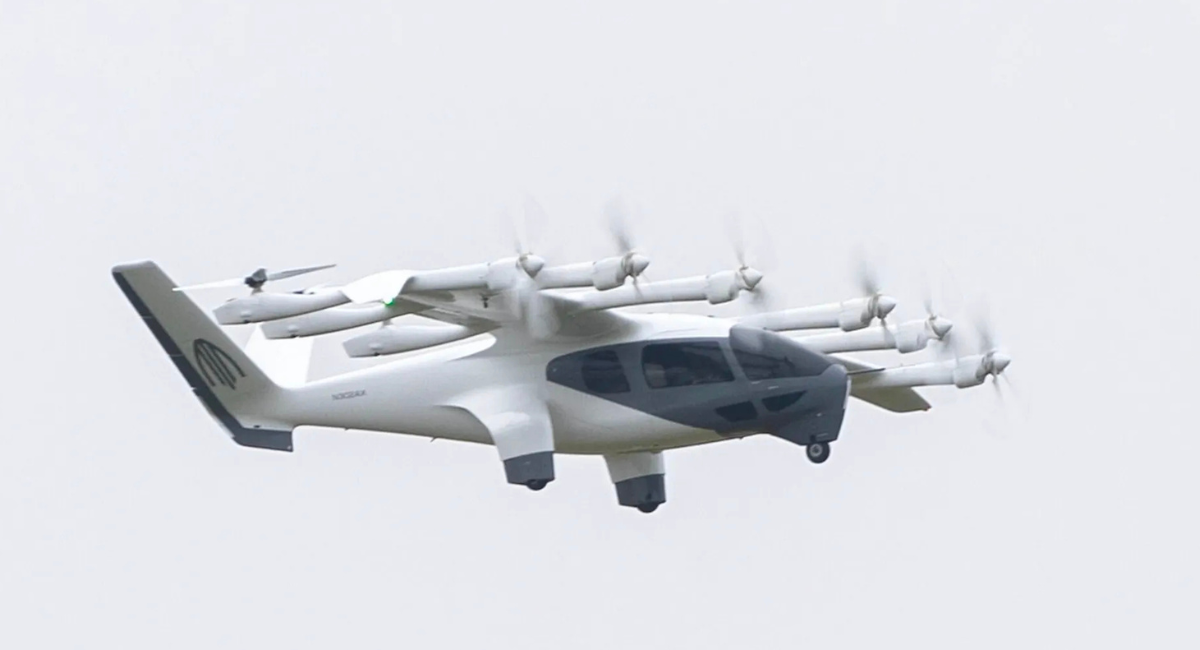
Archer Aviation Midnight (Image Credit: archer.com)
LILIUM (LILM)
The Case For:
- Unique jet-powered technology
- Strong European backing
- Good partnerships
- Ambitious design
The Case Against:
- Less funded than Joby/Archer
- Jet-powered = more unproven
- Latest timeline (2027-2028)
- Highest execution risk
My Opinion: Lilium is riskiest. But also highest potential upside if they win.
Price: Check stock market (varies daily)
Fair Valuation: $10-18 per share (my estimate, could be wrong)
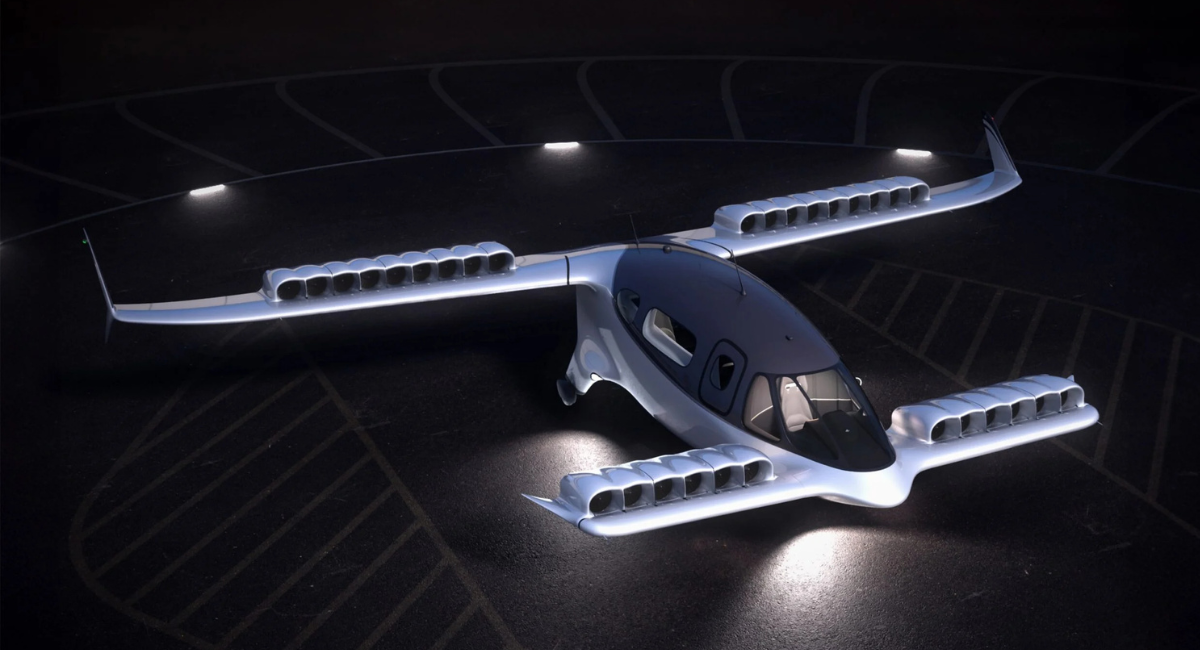
Lilium Jet (Image Credit: jet.lilium.com)
Portfolio Strategy: How Much To Invest?
Here’s my honest recommendation:
Never put all your money in eVTOLs. That’s too risky.
Instead, use the Risk Tolerance Rule:
Conservative Investor (Can’t handle loss):
Stock allocation: 60% traditional stocks (Apple, Microsoft, etc.)
eVTOL allocation: 2-5% (small amount)
Bonds/Cash: 35-40%
Moderate Investor (Can handle some loss):
Stock allocation: 60% traditional stocks
eVTOL allocation: 5-10% (medium amount)
Bonds/Cash: 30-35%
Aggressive Investor (Can handle big loss):
Stock allocation: 60% traditional stocks
eVTOL allocation: 10-15% (larger amount)
Bonds/Cash: 25-30%
Rule: Never invest more than you can afford to lose.
When To Buy: Timing Is Everything
Bad timing: Buying when stock is up 200% (everyone is excited)
Good timing: Buying when stock is down 50% (everyone is scared)
Current timing (April 2026): Mixed
Joby: Down 20% from highs (okay timing)
Archer: Stable (okay timing)
Lilium: Down 30% from highs (good timing)
My recommendation: Buy small amount now. Then buy more if stock drops another 30-50%.
Never invest everything at once. Spread your investment over 3-6 months.
When To Sell: The Exit Strategy
When to hold:
- Company is executing well (on timeline)
- Technology is proving out (real progress)
- Market is growing (demand is real)
- Stock is down (bad news is priced in)
When to sell:
- Company misses timeline significantly
- Technology isn’t working (failed tests)
- Funding dries up (running out of money)
- Stock is up 200-300% (take profits)
- Regulatory approval is denied
- Better opportunity comes along
My philosophy: Hold for 5-10 years IF company executes. But be ready to sell if things go wrong.
Tax Implications (US Investors)
Capital Gains:
- Hold less than 1 year = short-term capital gains (higher tax)
- Hold more than 1 year = long-term capital gains (lower tax)
- Plan to hold 5+ years for tax efficiency
Dividend Income:
- eVTOL companies don’t pay dividends (yet)
- No tax on dividends (problem you won’t have)
Loss Harvesting:
- If stock goes down, you can write off losses
- Reduces your overall tax bill
Amit’s Honest Assessment: Should You Invest In eVTOLs?
Here’s my real opinion.
Yes, you should invest in eVTOLs. But carefully.
Why?
The eVTOL market is coming. It’s not a question of if. It’s a question of when and who wins. If you invest small amounts ($1,000-5,000), you get exposure to massive upside. If eVTOLs succeed, you could 10x your money.
If eVTOLs fail, you lose your $1,000-5,000. Painful, but survivable.
My personal prediction:
By 2030: One eVTOL company (probably Joby) will have successful commercial operations. Stock will be worth 3-5x current price.
By 2035: Multiple companies operating. eVTOL market will exist. Surviving companies will have doubled or tripled.
By 2040: eVTOL industry will be established. Not as big as airlines, but real business.
Bottom line: Invest small amounts. Hold for 10+ years. Be ready to lose money.
Investment Checklist
Before you invest, check these:
- You understand the risks (high-risk)
- You can afford to lose this money
- You have other retirement savings (don’t put all in eVTOL)
- You have 5-10 year time horizon (not short-term)
- You’ve done your own research (read beyond this article)
- You have a financial advisor (optional but helpful)
- You’re not investing borrowed money (don’t use margin)
- You understand the companies (read our company profiles)
- You have an exit strategy (know when to sell)
- You’re not expecting to get rich quick (invest long-term)
Common Mistakes To Avoid
Mistake 1: Investing All At Once
Don’t do this. Dollar-cost average. Buy $500 per month for 12 months.
Mistake 2: Ignoring The Risks
These are high-risk companies. They might fail. Accept this.
Mistake 3: Not Diversifying
Don’t put all your money in Joby. Own mix of Joby/Archer/Lilium/traditional stocks.
Mistake 4: Getting Emotional
Stock drops 30%, panic sell. Stock rises 50%, buy more. Don’t do this.
Mistake 5: Not Reading Financial Statements
Know what you’re investing in. Read quarterly reports. Understand financials.
Mistake 6: Buying On Hype
Stock is up 200%. Everyone talking about it. Don’t buy. This is usually peak.
Mistake 7: Ignoring Competition
Joby has 50+ competitors. Not all will win. Maybe Joby loses.
Mistake 8: Forgetting About Taxes
Make plan for taxes. Long-term capital gains are better than short-term.
My Final Recommendation
Invest 5-10% of your portfolio in eVTOLs.
Do this:
- Open brokerage account (TD Ameritrade, Fidelity, etc.)
- Buy small amount ($500-1,000) in JOBY
- Buy small amount ($500-1,000) in ACHR
- Buy small amount ($500-1,000) in LILM
- Hold for 5-10 years
- Don’t panic sell if stock drops
- Review once per year
- Sell if company fails or stock reaches 3-5x returns
That’s it.
Simple. Diversified. Long-term focused.
Learn More About eVTOL Companies
Read our complete company profiles:
- Joby Aviation – The Toyota-backed leader
- Archer Aviation – United Airlines’ flying taxi partner
- Lilium – The jet-powered eVTOL
- Wisk Aero – Boeing’s autonomous flying taxi
- EHang Holdings – China’s eVTOL leader
- Volocopter – German electric helicopter
- Vertical Aerospace – UK’s ambitious startup
Also read:
- eVTOL Funding 2026 – How much money companies raised
- Joby vs Archer vs Lilium – Which company will win?
- India’s eVTOL Companies – Investment opportunities in India
Conclusion
eVTOL investing is a long-term thinking. The upside is huge. The downside is significant.
Invest small amounts. Diversify. Hold for years. Don’t panic. And remember: I’m not a financial advisor. This is education, not advice.
Do your own research. Talk to professionals. Invest wisely.
Questions About eVTOL Investing?
Email us: contact@airtaxicentral.com or amit@airtaxicentral.com

Guides
New York Flying Taxis: Complete Timeline, Routes, and Investment Guide
New York City is about to solve one of its biggest headaches: traffic that never stops. Flying taxis are going to be and its not an imagination anymore. Air Taxis are real, tested, and officially arriving. Within just a couple of years, you won’t just be looking at the skyline; you’ll be flying through it.
Companies like Joby Aviation and Archer Aviation aren’t just talking. They’ve already flown over Manhattan, worked with the city government, and secured spots at some of the world’s busiest airports. This is the new reality of New York travel.
When Will Flying Taxis Actually Arrive in NYC?
If you feel like you’ve been hearing “it’s coming soon” for years, you’re not alone. But 2026 has changed everything. In April 2026, the company Joby Aviation completed the first-ever point-to-point test flights in New York City. The company flew their electric aircraft from JFK Airport directly to the Downtown Manhattan Heliport. It wasn’t a computer simulation—it was a real aircraft landing on a New York pier.
The Real Timeline
- Late 2026: This is the big target. The company expects to start limited commercial flights after finishing the final stages of FAA certification.
- 2027: The company Archer Aviation plans to launch its primary “shuttle” service between Newark Liberty International Airport and Downtown Manhattan.
- 2028-2030: This is when things go “mainstream.” Expect to see multiple routes and more than just a few flights a day. By 2030, grabbing a flying taxi to the airport will be as normal as calling an Uber.
Why New York Needs This Now
New York has a massive traffic problem. In 2025 alone, the average NYC driver lost over 100 hours sitting in traffic. That is time you never get back.
The JFK Nightmare: Getting from JFK to Manhattan by car usually takes 60 to 90 minutes. If there’s a crash on the Van Wyck? Good luck—you’re looking at two hours. A flying taxi does that same trip in about 7 minutes.
The Demand is Built-In: Over 130 million people pass through JFK, LaGuardia, and Newark every year. Even if only a small group of business travelers and tourists use this service, the companies will have more customers than they can handle.
The First Routes: Where You’ll Actually Fly
The goal isn’t to fly you from your house to the grocery store. It’s to fix the most painful commutes in the city.
| Route | Car Time | Flying Taxi Time | Likely Launch |
|---|---|---|---|
| JFK to Downtown Manhattan | 60-90 mins | 7-10 mins | Late 2026 |
| Newark to Downtown Manhattan | 50-70 mins | 10 mins | 2027 |
| LaGuardia to Midtown | 30-45 mins | 5-7 mins | 2027 |
| Manhattan to Westchester | 60+ mins | 15 mins | 2028+ |
Why these routes first?
The company Joby is partnering with Delta Air Lines, and the company Archer is teamed up with United Airlines. Because these airlines have “hubs” at JFK and Newark, they want to give their premium passengers a seamless way to get from the plane to the office without touching the Brooklyn-Queens Expressway.

Joby’s electric air taxi flies over New York City during a 10-day flight campaign celebrating the FAA’s eVTOL Integration Pilot Program (eIPP), showcasing quiet, zero operating emissions air
travel across the city, including flights to JFK. (Photo: Joby Aviation)
Cost: Is This Only for the 1%?
Let’s be honest: at launch, it won’t be cheap. However, it is designed to become more affordable as time goes on.
- Early Price: Expect to pay between $150 and $250 per seat for a trip to JFK.
- The Comparison: A private helicopter ride currently costs about $200-$300. An Uber Black can easily hit $150 during surge pricing.
- The Long-term Goal: The company aims to eventually bring the price down to the level of an UberX. As the technology scales and more people fly, the cost of the batteries and maintenance will drop.
Infrastructure: Where Do They Land?
You can’t just land a flying taxi in the middle of Times Square. These aircraft need Vertiports.
The “Downtown Skyport”: In 2025, a company called Skyports Infrastructure took over the Downtown Manhattan Heliport. They are currently overhauling it, adding high-speed electric chargers. By late 2026, it will be the primary “hub” for these flights.
Airport Vertiports: The Port Authority of New York and New Jersey is already part of a federal pilot program. They are working to make sure JFK and Newark have dedicated spaces where these taxis can land and take off without interfering with traditional jet traffic.
Investment Guide: How to Play the Market
If you want to do more than just ride in one, you might be looking at the stocks. This industry is high-risk but offers significant upside.
1. Joby Aviation (JOBY)
The company is currently the leader. They have the most test flights, the most money in the bank (over $3 billion in funding), and a massive partnership with Toyota to help them build the aircraft. They recently acquired Blade Air Mobility’s passenger business, giving them an instant list of wealthy New York customers.
2. Archer Aviation (ACHR)
The company Archer has a major deal with United Airlines. United has already “pre-ordered” $1 billion worth of their aircraft. If you believe in the Newark-to-Manhattan route, Archer is the play. They are also working with Stellantis (the company behind Jeep and Ram) to mass-produce their “Midnight” aircraft.
The Technology: Safety and Noise
Many people ask, “Isn’t it just a loud helicopter?” The answer is a firm no. These are eVTOLs (electric Vertical Take-off and Landing).
- Quiet: When a flying taxi is at 1,000 feet, you won’t even hear it over the sound of a normal New York street. The company Joby claims their aircraft is 100 times quieter than a traditional helicopter.
- Safe: If one motor fails, the others keep the aircraft in the air. There is no “single point of failure” like you have with a helicopter’s main rotor.
The Roadblocks
It’s not all clear skies. The company still faces three big hurdles:
- The FAA: The government is very careful. They won’t let these fly until they are as safe as a commercial airliner.
- Weather: New York winters are brutal. Wind, ice, and snow could ground the fleet for days at a time.
- The Grid: Charging dozens of aircraft at once requires a massive amount of electricity. The company and the city need to ensure the local power grid can handle it.
My (Amit’s) Opinion: NYC’s Aerial Future
In my view, we are watching the biggest shift in transportation since the subway opened in 1904. For over a century, we’ve been trapped on the ground, stuck behind a slow-moving trash truck or a stalled subway train. The arrival of flying taxis in New York is inevitable because the city simply cannot survive more traffic. We have run out of room on the streets.
The 2026 test flights proved that the technology is ready and the noise levels are acceptable for a city environment. Now, it’s just a matter of the government and the companies finishing the paperwork. If you can afford the ticket, you’re about to get your time back. And in New York, time is the only thing more expensive than the rent. The future isn’t a decade away—it’s arriving at JFK next year.
Finally: New York flying taxis are coming. Get ready to look up.
Guides
eVTOL Stock Comparison 2026: Joby vs. Archer vs. Lilium — The Ultimate Guide to the Air Taxi Race
Flying cars aren’t just for movies anymore. Now, they are a massive business worth billions of dollars, and investors are fighting to see which company will win. As we move through April 2026, the Electric Vertical Takeoff and Landing (eVTOL) industry has shifted from a “what if” conversation to a “when is the launch” reality.
For investors, this is the most exciting and high-stakes era for transportation stocks since the early days of Tesla. We are currently in the “Midnight Hour” of certification: the period where one FAA signature can send a stock to the moon, and one battery malfunction can send it to zero.
If you’ve been watching the tickers, you know that Joby Aviation (JOBY), Archer Aviation (ACHR), and Lilium (LILM) are the three names that dominate the headlines. But they are far from identical. One is building a vertically integrated airline, one is a manufacturing powerhouse aiming for mass scale, and one is betting on a radical “electric jet” design that could either change the world or exhaust its capital before takeoff.
This isn’t just a comparison of quarterly earnings; it’s a breakdown of who will actually own the sky by the end of the decade. Let’s dive deep into the technology, the finances, and the regulatory status of the “Big Three” to see which eVTOL stock is the best buy for your portfolio in 2026.
1. Joby Aviation (JOBY): The Billion-Dollar Frontrunner
Joby Aviation remains the undisputed leader in the U.S. market. As of early 2026, Joby is the only company that has reached the late stages of the FAA’s five-stage type certification process. While competitors are still finalizing their math, Joby has FAA pilots in the cockpit, actively flying their production-conforming aircraft.
The Strategy: Vertical Integration
Joby isn’t just building a plane; they are building the entire ecosystem. Unlike Archer, which plans to sell planes to airlines like United, Joby wants to be the “Uber of the Skies.” They acquired the passenger business of Blade Air Mobility and integrated directly with the Uber app.
This means when you book a flight from Manhattan to JFK, Joby owns the app, the plane, the pilot, and the landing pad. This “Apple-style” vertical integration allows Joby to keep 100% of the revenue per seat, though it comes with much higher operating costs.
Manufacturing and The Toyota Edge
One of Joby’s biggest secrets to success is its partnership with Toyota. Toyota isn’t just an investor; they are Joby’s manufacturing mentor. As of 2026, Joby is moving into its 700,000-square-foot facility in Dayton, Ohio. With Toyota’s help, Joby aims to double production to four aircraft per month by 2027.
The “Path to $1 Million” Math
With the stock trading around $7.50 to $9.00 in early 2026, many retail investors are looking at “share stacking.” To hit a $1 million portfolio on a target price of $100 (which analysts suggest is possible by 2030 if they dominate the market), an investor would need roughly 10,000 shares.
2. Archer Aviation (ACHR): The High-Volume Manufacturer
If Joby is the “Apple” of flying taxis, Archer Aviation is the “Ford.” Archer’s strategy is built for speed—both in the air and in the factory. Their goal is to build thousands of planes and sell them to existing airline giants.
The Strategy: The United Connection
Archer’s biggest advantage is its $6 billion order backlog, primarily anchored by United Airlines. United doesn’t just want to fly these planes; they want to replace the noisy, expensive helicopters they currently use for “airport hops.” Archer’s “Midnight” aircraft is built specifically for this. It is designed for 20-mile hops with a 10-minute “rapid charge” between flights.
The Georgia “ARC” Facility
Archer’s manufacturing plant in Covington, Georgia, is a marvel of modern engineering. In partnership with Stellantis (the parent company of Jeep and Chrysler), Archer has built a facility capable of producing up to 650 aircraft annually. This is the first facility of its kind in the world to use automotive-style assembly lines for aircraft.
Key 2026 Catalyst: The UAE and the Olympics
Archer has secured a massive “Launch Edition” delivery in the UAE and has been named the official air taxi partner for the 2028 Los Angeles Olympics. This gives Archer a guaranteed global stage to prove its technology.

eVTOL Stock Comparison
3. Lilium (LILM): The European Innovation Play
Lilium is the wildcard of the group. While Joby and Archer use “Tilt-Rotor” technology (large propellers that turn), Lilium uses 30 small electric ducted fans embedded in the wings. It looks like a futuristic private jet rather than a drone.
The Strategy: Regional Air Mobility
Lilium isn’t interested in 10-mile hops across town. They are targeting “Regional” travel—trips between 100 and 200 miles. Think London to Paris, or New York to Philadelphia. Their aircraft is quieter, faster, and carries more passengers (up to 6) than the American models.
Financial “War Chest” Comparison (Q1 2026 Data)
| Metric | Joby (JOBY) | Archer (ACHR) | Lilium (LILM) |
|---|---|---|---|
| Market Cap | ~$8.5 Billion | ~$4.2 Billion | ~$800 Million |
| Cash on Hand | $2.6 Billion | $2.0 Billion | $400 Million |
| Monthly Burn Rate | $30 Million | $25 Million | $20 Million |
| Estimated Runway | 30+ Months | 24+ Months | 12 Months |
| Strategic Partners | Toyota, Delta, Uber | United, Stellantis | Lufthansa, Saudia |
4. The Challenges: Why eVTOLs Haven’t Taken Over Yet
Despite the hype, 2026 has shown that the industry still faces major “gravity.”
1. Battery Density and Weight
The “Energy-to-Weight” ratio is the biggest enemy of electric flight. To fly 100 miles, an eVTOL needs a massive battery, but that battery adds so much weight that the plane can’t carry many passengers. Breakthroughs in Silicon-Nanowire anodes are helping, but we are still years away from 500-mile electric flights.
2. The “Vertiport” Bottleneck
You can have the best plane in the world, but if you don’t have a place to land, it’s useless. Cities like New York and Dubai are leading the way in building “Vertiports” (landing pads with high-speed chargers). However, local “NIMBY” (Not In My Backyard) groups often complain about the noise and safety of landing pads in residential areas.
3. Public Perception and Safety
One high-profile crash in 2026 or 2027 could destroy the entire industry’s reputation. This is why the FAA is being so slow and careful with certification. The “Big Three” must prove that their planes are 10,000 times safer than a standard car.
5. Investment Verdict: Which Stock Should You Buy?
The “Safety” Pick: Joby Aviation (JOBY)
Joby is the clear leader. They have the most cash, the best relationship with the FAA, and the most flight test hours. If you want a stock to hold for the next 10 years, Joby is the “Tesla” of this space.
The “Growth” Pick: Archer Aviation (ACHR)
Archer is currently valued at roughly half of Joby. Because they are focused on selling planes to United and other airlines, their revenue might scale faster once they get certified. If you believe in the power of mass manufacturing, Archer is the play.
The “Moonshot” Pick: Lilium (LILM)
Lilium is a high-risk gamble. If their electric jet technology is successfully certified, it will be the superior product for long-distance travel. However, their low cash reserves make them a candidate for a buyout or heavy dilution. Only invest what you are willing to lose.
Final Word for Investors
The year 2026 is the “Year of Proof.” We have moved past the PowerPoint presentations and into the manufacturing plants. As an investor, don’t look at the daily stock price—look at the FAA Certification Milestones. The first company to get the “Type Certificate” will likely own the lion’s share of the market for the next decade.
Expert Analysis: Top 10 Frequently Asked Questions
1. Why are eVTOL stocks so volatile in 2026?
Volatility in this sector is driven by “Regulatory Binary Events.” Unlike a tech company that releases software updates, an eVTOL company cannot generate a single dollar of revenue until the FAA (in the US) or EASA (in Europe) grants a “Type Certificate.”
Every time the FAA requests a new test or updates a safety standard, the stock market reacts as if the “Runway” (the time before cash runs out) has been shortened. In 2026, we are seeing massive swings because we are in the final months of this certification phase.
2. Will these flying taxis be pilotless from day one?
No. To ensure public safety and gain regulatory approval, Joby, Archer, and Lilium are all launching with human pilots on board. However, the aircraft are being designed with “Autonomous-Ready” architecture.
The long-term business model (2030 and beyond) relies on removing the pilot to save on labor costs—the largest expense in aviation. For now, think of them as electric helicopters with simplified controls that make them much harder to crash than traditional rotorcraft.
3. How do these aircraft handle “Battery Density” issues?
This is the biggest engineering hurdle. Batteries are heavy and hold less energy than jet fuel. To combat this, Joby uses a custom-designed battery pack with high-energy-density cells, while Archer focuses on “rapid-charging” between short 20-mile hops.
Lilium’s ducted fan technology requires the most power, which is why their financial risk is higher. In 2026, the industry is closely watching solid-state battery development, which could double the range of these aircraft overnight.
4. What is the “Vertiport” situation for JOBY and ACHR?
A flying taxi is useless without a place to land. Joby has a major advantage through its partnership with REEF Technology (the largest parking garage operator in North America) and Delta Airlines.
Archer, meanwhile, is working with Atlantic Aviation to electrify existing helipads. By 2026, we are seeing the first “Aviation Hubs” in Manhattan and Miami being built specifically for these electric aircraft.
5. Is the “Toyota Partnership” a game-changer for Joby?
Absolutely. Aviation companies usually struggle to “scale.” Building 10 planes a year is easy; building 1,000 is incredibly hard. Toyota has invested hundreds of millions into Joby and, more importantly, has sent engineers to Joby’s factory to implement the “Toyota Production System.”
This gives Joby a massive manufacturing advantage over Archer and Lilium, who are still figuring out high-volume assembly.
6. Why is Lilium (LILM) valued so much lower than its rivals?
Market capitalization reflects risk. Lilium’s “Jet” design is radical—it uses 30 engines instead of 6 or 12. While this makes it faster and quieter, it makes it much harder to convince regulators that it is safe if multiple engines fail.
Furthermore, Lilium is based in Europe, where the capital markets are less aggressive than in the U.S., leading to a smaller “Cash Runway” and higher fears of dilution for stockholders.
7. Can I afford a flight in an eVTOL in 2026?
Currently, the “Operating Cost” per flight is between $500 and $800. For the early launch phase, these will be premium services—similar to a high-end Uber Black or a private helicopter charter.
However, as production scales and pilots are eventually removed, the goal is to reach “UberX” pricing of around $3.00 to $5.00 per mile. We are likely 5–10 years away from “mass market” affordability.
8. What happens if a battery dies mid-flight?
These aircraft are built with “Distributed Electric Propulsion” (DEP). This means they have multiple independent batteries and motors. If one battery or motor fails, the others can easily compensate to land the plane safely. Unlike a helicopter, which has one main rotor that is a “single point of failure,” eVTOLs are designed to be “redundant”—meaning they can lose multiple components and still fly.
9. How will the 2028 Olympics impact Archer (ACHR)?
The 2028 Los Angeles Olympics are the “Super Bowl” for the eVTOL industry. Archer has already secured agreements to fly passengers across LA during the games. This is a massive marketing event. If Archer can move thousands of people across the city while traffic is at a standstill below, it will prove the business model to the entire world, likely triggering a massive surge in the stock price.
10. Should I buy JOBY, ACHR, or LILM today?
It depends on your risk tolerance. Joby is the “Blue Chip” of the sector—highest chance of success, but perhaps lower “multibagger” potential. Archer is the “Growth” play—strong airline backing and massive production goals.
Lilium is the “Moonshot”—if they survive their current cash crunch and certify their jet, the payoff could be 10x or 20x, but the risk of the stock going to zero is significantly higher than the others.
Final Summary for Investors
The eVTOL industry in 2026 is no longer about “dreams”—it’s about Execution. Watch the FAA’s “Stage 5” certification updates like a hawk. The first company to get that final signature will win the decade. Currently, Joby holds the lead, Archer is sprinting to catch up, and Lilium is fighting to prove its unique technology can scale.
Here are the live Google Search links for the “Big Three” eVTOL stocks. Clicking these will take you directly to the live price charts, news, and market data for each company.
Live Stock Tracking Links
Joby Aviation (JOBY):
- View Live on Google Finance
- Current Price (April 2026): ~$8.38
Archer Aviation (ACHR):
- View Live on Google Finance
- Current Price (April 2026): ~$5.40
Lilium N.V. (LILM/LILMF):
Note: Lilium has experienced significant volatility and has recently traded on the OTC markets under the ticker LILMF.
Quick Market Pulse (April 12, 2026)
- JOBY remains the market cap leader at roughly $8.2 Billion, benefiting from its strong cash position.
- ACHR is holding steady with a market cap of $4.02 Billion, with investors focused on their upcoming flight tests for the 2028 Olympics.
- LILM is currently the high-risk “penny stock” of the group, with a significantly lower valuation as they navigate funding challenges in Europe.
Tip: You can keep these URLs bookmarked to see how they react to upcoming FAA certification news!
Disclaimer: This article is for educational purposes. 2026 is a pivotal year for aviation technology. Always consult with a financial advisor before investing in pre-revenue or early-revenue high-tech sectors.
Guides
eVTOL Operating Costs: Pilot Salaries, Batteries, and Vertiports
What does it cost to operate eVTOL? Detailed cost analysis: $500-800 per flight including pilot salary, battery, maintenance, vertiports, staff. Timeline to profitability: 5-10 years.
In this article we will check the Real Numbers: Pilot Salaries, Battery Costs, and Everything relevant to eVTOL. First, let me explain you something important: flying taxis will only work if the companies can make money.
Right now, starting a flying taxi business is like building an airline from scratch. You need expensive planes, special places to land (vertiports), and lots of people to run everything. Because it’s all new, the first few years will be the most expensive.
Nobody knows if the money works out. This article explains the real costs. Just simple numbers: what does it cost Joby or Archer to fly one aircraft every single day?
eVTOL Operating Costs: How Much Does It Cost To Run a Flying Taxi Business?
Three Key Things To Know Before Reading
First thing: Flying taxi companies have TWO types of costs.
One cost is per flight (pilot, battery, landing fee). The other cost happens no matter what (building vertiports, buying aircraft, hiring workers).
Both costs matter.
Second thing: The price you pay ($100-300 per ride) must cover BOTH types of costs.
If it doesn’t, the company loses money. And if the company loses money long enough, it goes out of business.
Third thing: This is why price matters so much.
Flying taxi needs to be cheap enough that people use it. But also expensive enough that the company makes profit. It’s a balance.
Now let me break down the actual numbers.
Important Note
These numbers are estimates based on:
- What companies have said publicly
- Industry reports
- Similar businesses (helicopters, Uber)
- Expert analysis
The real costs might be different. But these numbers are close.
Cost Per Flight (The Simple Costs)
First, let’s understand what it costs to fly one aircraft one time.
Pilot salary cost (shared across many flights): $15-30
Battery power (electricity to charge): $15-25
Maintenance (wear and tear): $10-20
Landing fee (at vertiport): $5-15
Ground crew (handling aircraft): $5-10
Other costs (insurance, repairs, etc): $10-15
Total cost per one flight: $60-115
This is basic. Just what you need to actually fly.
But remember: this assumes 4-6 passengers on each flight.
If the flight is half empty (2-3 passengers), the cost per passenger goes up.
Cost To Buy Aircraft (Amortized)
This is the big one that people forget. Flying taxi aircraft cost $2-4 million per aircraft. Let’s say $3 million. A company buys 10 aircraft. That’s $30 million just sitting there waiting to make money.
How long will these aircraft last?
Maybe 15-20 years if they’re maintained well.
Let’s say 15 years = 180 months.
If each aircraft does 10 flights per day:
- 10 flights × 30 days = 300 flights per month
- 300 flights × 180 months = 54,000 flights over 15 years
Cost per flight to pay for aircraft:
$3 million ÷ 54,000 flights = $55 per flight
This cost gets added to every single flight. Forever.
So far we’re at: $115 (operational) + $55 (aircraft) = $170 per flight
Vertiport Costs
Flying taxis need places to land and take off. A vertiport (landing pad + building) costs $3-10 million to build.
Let’s say $5 million for a decent one. Some cities might have 10 vertiports. That’s $50 million just in buildings.
How many flights per month across all vertiports?
If each vertiport handles 10 flights per hour during operating hours (say 16 hours per day):
- 10 flights × 16 hours = 160 flights per day
- 160 flights × 30 days = 4,800 flights per month
Cost per flight to pay for vertiports:
$50 million ÷ (4,800 flights per month × 180 months) = $58 per flight
So far we’re at: $170 + $58 = $228 per flight
People & Infrastructure Costs
Companies need workers beyond just pilots.
Maintenance workers: Fix aircraft, inspect, repair
Operations staff: Scheduling, customer service, tech support
Marketing: Tell people about flying taxis
Office staff: Accounting, HR, management
Technology: Software systems, safety monitoring, apps
Insurance: Liability insurance, aircraft insurance
For one city with 10 aircraft and maybe 100-200 flights per day:
Maybe 50-100 employees total.
Average salary (mix of high and low): $60,000 per year
100 employees × $60,000 = $6 million per year
Plus benefits, office, technology = maybe $8-10 million per year
How many flights per year?
100 flights per day × 365 days = 36,500 flights per year
Cost per flight:
$10 million ÷ 36,500 flights = $274 per flight
So far we’re at: $228 + $274 = $502 per flight
Total Operating Cost (Simple Version)
Let me add it all up:
- Per-flight operational: $115
- Aircraft cost amortized: $55
- Vertiport cost amortized: $58
- People and infrastructure: $274
Total: $502 per flight
But wait. This assumes:
- Every flight has 5 passengers
- Aircraft are filled 80% of the time
- Everything runs perfectly
- No unexpected problems
What If Flights Aren’t Full?
This is the real problem. If a flight should have 5 passengers but only has 3:
- The cost per passenger goes up. Also, if vertiports are busy, they’ll charge more landing fees. If aircraft break down, maintenance costs go up.
Realistic total cost per flight: $500-700 (depending on occupancy)

eVTOL Operating Costs
Cost Per Passenger
If one flight costs $600 and has 5 passengers:
$600 ÷ 5 = $120 per passenger
This is the company’s cost.
The company needs to charge MORE than this to make profit. That’s why the ticket price needs to be $150-300 (depending on distance). $150-300 ticket price covers $120 cost + company profit.
Monthly Cost Breakdown (One City, One Company)
Let’s say Joby operates in Los Angeles with:
- 10 aircraft
- 3 vertiports
- 100 flights per day on average
- 5 passengers per flight average
Monthly costs:
Aircraft purchase (amortized): 10 × $3M ÷ 180 months = $167,000
Vertiport costs: $50M ÷ 180 months = $278,000
Pilot salaries: 30 pilots × $5,000/month = $150,000
Battery/electricity: 3,000 flights × $20 = $60,000
Maintenance: 3,000 flights × $15 = $45,000
Staff & operations: $800,000
Marketing: $200,000
Insurance: $400,000
Technology & software: $150,000
Misc. costs: $150,000
Total monthly: $2.4 million
Flights per month: 3,000
Cost per flight: $800
Wait. That’s higher than my earlier estimate. Why?
Because I’m being more realistic about all the hidden costs.
How Much Must The Company Charge?
To break even (no profit, no loss):
$800 cost per flight ÷ 5 passengers = $160 per passenger minimum
To make profit (30% profit margin):
$160 × 1.30 = $208 per passenger
So minimum price to break even: $160
Price to make real profit: $200-250
This is why initial prices will be $150-300.
How Many Flights Needed To Break Even?
Let’s say Joby invests $500 million total to start operations across multiple cities.
$500 million ÷ $600 cost per flight = 833,000 flights needed to break even
How long does that take?
If Joby does 100 flights per day across all cities:
833,000 flights ÷ 100 per day = 8,330 days = 23 years to break even
That’s a long time!
But wait. This assumes Joby makes ZERO profit per flight. Just breaks even.
In reality:
If Joby charges $200 per flight and cost is $600:
Joby loses $400 per flight for many years.
Joby keeps losing money until:
- Flight costs go down (batteries cheaper, aircraft cheaper)
- More flights happen (more people using it)
- Prices go up (people willing to pay more)
Timeline to profitability: probably 5-10 years if things go well
What Affects Operating Costs
Several things change the actual costs:
Battery Cost
If batteries get cheaper (they will), cost per flight goes down.
- Currently: $20-25 per flight
- By 2030: maybe $12-15 per flight
- By 2040: maybe $5-8 per flight
Aircraft Cost
As more aircraft are built, price per aircraft drops.
- Currently: $2-4 million each
- By 2030: maybe $1.5-2 million
- By 2040: maybe $800,000-1 million
Labor Costs
- If demand is high, pilot salaries go up.
- If demand is low, salaries go down.
- Also, eventually autonomous flight might reduce pilot costs.
Volume
More flights = costs spread across more flights.
100 flights per day is cheaper per flight than 10 flights per day.
Maintenance
Electric aircraft should be cheaper to maintain than helicopters.
Timeline: When Do Costs Drop?
2026-2027: High costs. Maybe $600-800 per flight.
2028-2030: Costs dropping slowly. Maybe $500-600 per flight.
2030-2035: Costs dropping faster. Maybe $300-400 per flight (batteries cheaper, aircraft cheaper, more flights).
2035-2040: Costs dropping significantly. Maybe $150-250 per flight.
Break-Even Analysis
A company needs to reach a point where income = expenses.
Income: Price per flight × Number of flights
Expenses: All the costs we listed above
Break even: When Income = Expenses
Example:
If costs = $600 per flight and price = $200 per flight:
$200 × 3 passengers = $600 income (break even!)
Wait, that only works if flights have 3 passengers AND the price is $200.
What if flights have 5 passengers AND price is $200?
$200 × 5 passengers = $1,000 income
$1,000 income – $600 cost = $400 profit per flight
That’s good!
What if flights have 2 passengers AND price is $200?
$200 × 2 passengers = $400 income
$400 income – $600 cost = -$200 loss per flight
That’s bad. The company loses money.
So the key is: Enough passengers + high enough price = profit
Amit Opinion: Will Companies Make Money?
Year 1-2 (2026-2027): No. Companies lose money.
Costs are high. Prices are high. Not enough customers yet.
Year 3-5 (2028-2030): Still losing money. But less.
Costs dropping. More customers. But still not profitable.
Year 5-10 (2030-2035): Some break even. Some make profit.
By 2035, Joby and Archer probably make small profit.
Year 10+ (2035+): Profitable. Growing.
Once profitable, costs continue dropping. Profits grow.
The question: Can companies survive the losing years?
If investors have money to lose for 5-10 years, yes.
Joby has $3+ billion in funding. That’s enough to lose money for many years. Most companies won’t survive. Only the best funded ones (Joby, Archer, Lilium) have shot.
Common Questions & Answers
Question 1: Why is it so expensive right now?
Answer: Everything is new and pricey. The flying taxis themselves cost a lot to build, and we have to build “vertiports” (landing pads) for them. Since there aren’t many flights yet, these big bills have to be paid by a small number of passengers.
Q: When will it cost the same as an Uber car?
Answer: Not for a long time—likely between 2040 and 2050. For a flight to cost you $40–$60 (like a long Uber ride), the company’s cost needs to drop significantly. We are at least 15 years away from that.
Q: Are the batteries the main reason it’s expensive?
Answer: Actually, no. The biggest cost is people. Paying pilots and ground staff costs the most money. After that, the next biggest costs are the buildings and the aircraft themselves.
Q: How can companies make it cheaper?
Answer: There are four main ways:
- Self-flying tech: Removing the pilot saves a lot of money.
- Cheaper batteries: Better technology will lower power costs.
- Mass production: Making more planes makes each one cheaper.
- More flying: The more trips a plane makes in a day, the less each seat costs.
Q: Will every flying taxi company succeed?
Answer: No. Many startups will likely go out of business. Only the companies with the most money and the smartest management will survive this “startup” phase.
Q: How many trips does a company need to make to stay alive?
Answer: A company usually needs to fly 50 to 100 trips every day in a single city. If they fly less than that, they won’t make enough money to pay for their buildings and staff.
Learn More About eVTOL Economics
Read our other articles:
- How Much Will eVTOL Cost? – What passengers pay
- Investing in eVTOL – Stock information
- Battery Technology – Why batteries affect costs
Questions About eVTOL Operating Costs?
Email us: contact@airtaxicentral.com or amit@airtaxicentral.com
Follow us:
- Twitter: @AirTaxiCentral
- Instagram: @airtaxicentral
- YouTube: @AirTaxiCentral
-
Guides1 month agoHow to Become an eVTOL Pilot: A 2026 Guide
-
Guides1 month agoeVTOL Stock Comparison 2026: Joby vs. Archer vs. Lilium — The Ultimate Guide to the Air Taxi Race
-
Guides1 month agoHow Much Will eVTOL Cost?
-
Company Analysis2 months agoJoby vs Archer vs Lilium: Which Flying Taxi Company Will Actually Win?
-
Market & Investment2 months agoVertiports: The Hidden Infrastructure Challenge Nobody Talks About
-
Guides1 month agoeVTOL Operating Costs: Pilot Salaries, Batteries, and Vertiports
-
News & Updates2 weeks agoJoby Aviation Q1 2026 Earnings: Everything You Need to Know
-
Company Analysis2 months agoArcher Aviation: United Airlines Flying Taxi Partner

Pingback: Air Taxi FAA Certification: Complete Guide - Air Taxi Central