Air taxi technology is having a defining moment in July 2026. In the space of a single week, the same class of electric and hybrid-electric aircraft that promised to zip commuters over city traffic showed just how far its reach now extends. On one side of the world, Archer Aviation revealed that its air taxi platform is being adapted for autonomous combat. On the other, Air Taxi Egypt added six aircraft to expand its Cairo and North Coast flights. Together, the two stories show a technology splitting into two powerful directions: the battlefield and the daily commute.
Archer Air Taxi Technology Adapted for Autonomous Combat
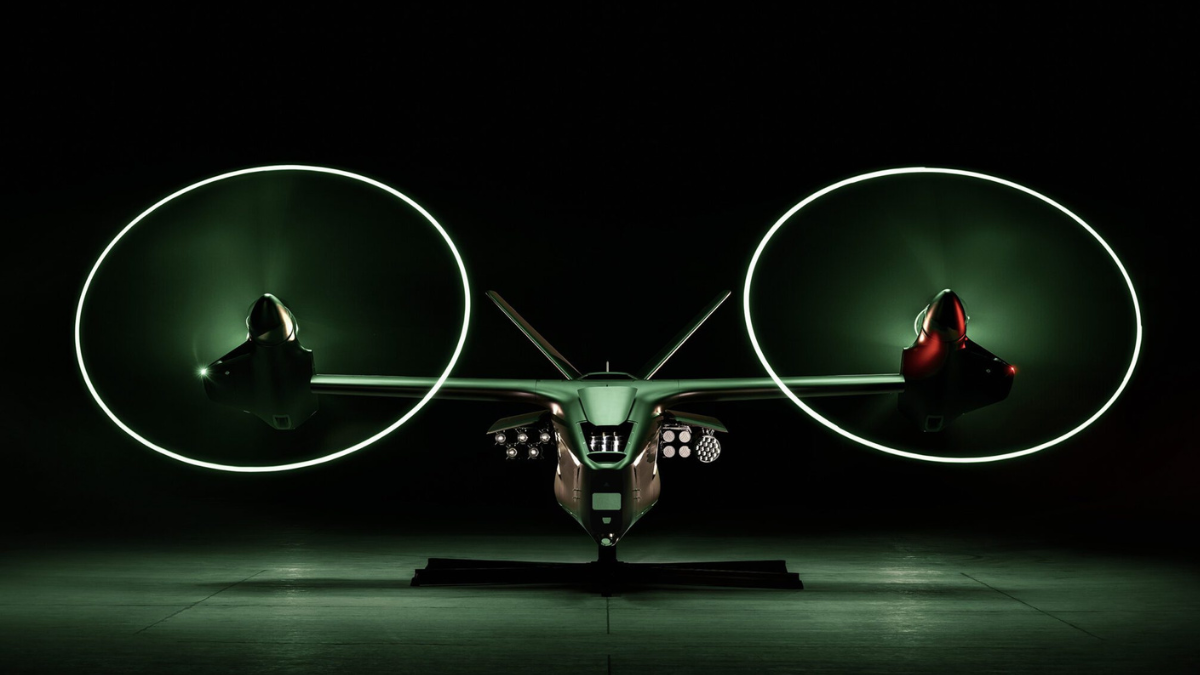
At the 2026 Farnborough International Airshow, Archer Aviation and defense technology company Anduril Industries pulled the cover off a new aircraft called Thunder. It is a Group 5 autonomous attack rotorcraft, and it is built on the very same dual-use platform Archer developed for its air taxi ambitions.
The message was clear. The rapid advances in electric propulsion and rotor design that made urban air mobility possible are now being channeled into a clean-sheet military design. Instead of carrying passengers between rooftops, Thunder is built to fly into contested airspace without a pilot on board.

What Makes Thunder Different
Thunder is designed to fly alongside crewed attack helicopters such as the AH-64 Apache and multiply their combat power. According to details shared at Farnborough, the tiltrotor can carry up to ten Hellfire-class missiles or seventy-six 70mm rockets. Anduril engineers described the goal as matching the payload of an Apache while delivering the speed and range of a tiltrotor design.
A series hybrid-electric powertrain sits at the heart of the aircraft, giving it significant range and endurance while allowing precise power management across the full range of flight conditions. That hybrid approach is a notable shift. Pure-electric air taxis are limited by battery weight and range, so pushing into defense and long-distance logistics almost demands a hybrid setup.
Why Air Taxi Companies Are Pivoting to Defense
The move reflects a broader trend across the eVTOL industry. Building a certified passenger aircraft is expensive and slow, and defense contracts offer a faster path to revenue. By partnering with Anduril, Archer can share development costs and speed up commercialization while keeping its commercial air taxi program alive.
Archer has said the platform is dual-use by design, with potential roles in military strikes, cargo delivery, and remote logistics in hard-to-reach locations. A first flight for Thunder is planned for 2027, and Archer signaled that commercial partners for the wider platform would be announced soon after the unveiling.
Air Taxi Egypt Adds Six Aircraft for Cairo and North Coast Flights
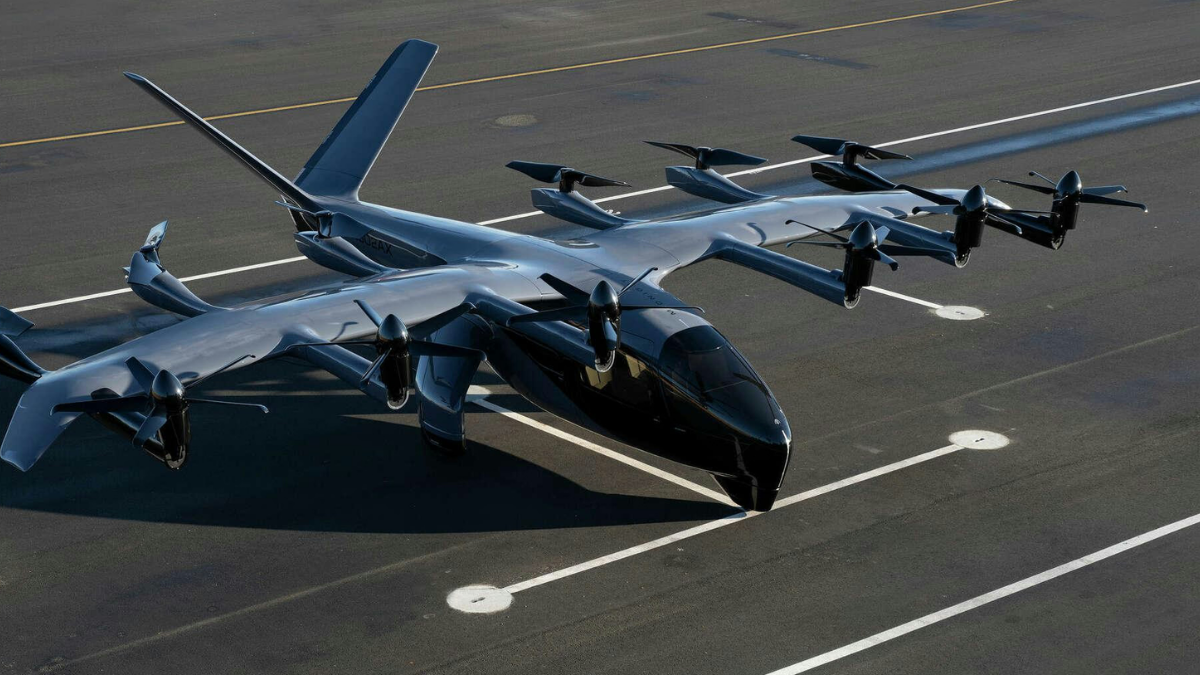
While Archer looks toward autonomous combat, a very different air taxi story is unfolding in Egypt, one focused firmly on passengers. Air Taxi Egypt is expanding its operations with six aircraft serving Cairo and the North Coast. Tamer Wagih, chairman of Prime Investment Group, announced the expansion, timed to meet heavy demand during the peak summer travel season.
The added capacity is aimed squarely at travelers who want to skip long road journeys. A flight from Cairo to the North Coast takes roughly an hour, compared with several hours behind the wheel on congested summer highways. For business travelers and holidaymakers heading to the Mediterranean coast, that time saving is the whole selling point.
Inside Air Taxi Egypt’s Growth
Air Taxi Egypt launched in October 2025 as the country’s first integrated helicopter taxi service. The project was introduced with announced investments of around EGP 5 billion, roughly 104.8 million US dollars, through a partnership involving Abu Dhabi Aviation, TCM Economic Consulting, and the Egyptian Air Force.
The service connects Cairo with key destinations including the New Administrative Capital, the North Coast, Siwa Oasis, and tourist hubs such as Sharm El-Sheikh, Hurghada, Luxor, and Aswan. Reported fares have ranged from around 200 US dollars for a scenic Cairo tour over the pyramids to roughly 1,500 US dollars for longer routes, positioning the service as a premium travel option.
The North Coast expansion is a practical answer to summer congestion, turning a multi-hour drive into a short flight for travelers willing to pay for the time back.
Two Sides of the Same Air Taxi Boom
Placed side by side, these two announcements reveal how flexible air taxi technology has become. The core engineering, electric and hybrid propulsion, advanced rotor design, and vertical takeoff and landing, is the same foundation. What changes is the mission.
- Defense direction: Archer and Anduril’s Thunder pushes the technology into autonomous combat, hybrid power, and long-range military logistics.
- Commercial direction: Air Taxi Egypt applies proven rotorcraft to short, time-saving passenger hops between Cairo, the North Coast, and tourist destinations.
- Shared foundation: Both rely on vertical lift and modern propulsion to reach places traditional transport struggles to serve quickly.
For an industry that has faced doubts about profitability, that flexibility matters. Companies that once pitched a single vision of flying taxis are now proving the technology can serve tourists in Egypt and troops in the field. The result is a faster route to real-world use and revenue.
What This Means for the Future of Air Mobility
The next two years will be telling. Thunder’s planned 2027 first flight will test whether air taxi engineering can genuinely translate into a credible autonomous combat aircraft. In Egypt, the six new aircraft will show whether premium air taxi travel can build a steady customer base beyond the initial novelty.
Either way, the message from July 2026 is that air taxi technology is no longer a single, narrow bet on urban commuting. It is a broad platform, and it is now flying in directions few predicted just a few years ago.
Frequently Asked Questions
What is Archer’s Thunder aircraft?
Thunder is a Group 5 autonomous attack rotorcraft developed by Archer Aviation and Anduril Industries, unveiled at the 2026 Farnborough Airshow. It is built on Archer’s air taxi platform and is designed to fly alongside crewed helicopters, with a first flight planned for 2027.
How many aircraft does Air Taxi Egypt operate now?
Air Taxi Egypt has added six aircraft to serve Cairo and the North Coast, expanding a service that launched in October 2025 as the country’s first integrated helicopter taxi service.
How long is the Cairo to North Coast air taxi flight?
A flight from Cairo to the North Coast takes roughly one hour, compared with several hours by road, which is the main appeal during the busy summer season.
Why are air taxi companies moving into defense?
Defense partnerships can lower development costs and speed up commercialization, giving eVTOL companies a faster path to revenue while their passenger programs continue to mature.