Update: May 06, 2026
Joby Aviation just shared its Q1 2026 earnings, and the company is moving fast from “science project” to a legitimate air taxi service. The big highlight is that that the manufacturing plant in Ohio is officially churning out aircraft, and the company has successfully transitioned from prototype testing to pilot production.
While the company still burning through cash—reporting a net loss as they scale up—their balance sheet remains remarkably healthy with over $800 million in the bank.
For tech fans, the most exciting bit is the progress on their software stack; Joby is now testing the ElevateOS platform in real-world simulations, which will eventually handle everything from booking a ride on your phone to routing the planes through busy city skies.
On the regulatory front, things are looking surprisingly smooth. Joby confirmed that everything is on track for commercial launch in 2026, with the FAA finishing up the final stages of their type certification.
It started training the first batch of commercial pilots and are working closely with partners in Dubai and New York to prep landing pads (or “vertiports”). We’re still a little way off from being able to hail an electric plane like an Uber, but this quarter proves that Joby has the funding and the regulatory momentum to actually pull it off. If you’ve been waiting for the “future” of urban transit, it’s officially getting closer to the runway.
Original article: May 05, 2026
Joby Aviation is set to share its first-quarter financial results today after the stock market closes. This update is a big deal for the flying taxi industry. It comes right after the company finished successful test flights in New York City and hit a major goal with flight regulators.
Here is a simple notes of what to expect and why investors are paying close attention.
The Numbers: What Analysts Expect
Experts think Joby will report a loss this quarter. Developing flying taxis is very expensive. The company is still in its “pre-commercial” phase—meaning they are spending money to build the business before they start charging passengers for rides.
| Metric | Expected Value |
|---|---|
| Loss Per Share | $0.21 |
| Revenue | $20.2 Million |
| Cash on Hand | $2.6 Billion |
While revenue is expected to drop by about 35% compared to last quarter, this is normal for a company focusing all its energy on getting government approval.
Big Wins in New York and with the FAA
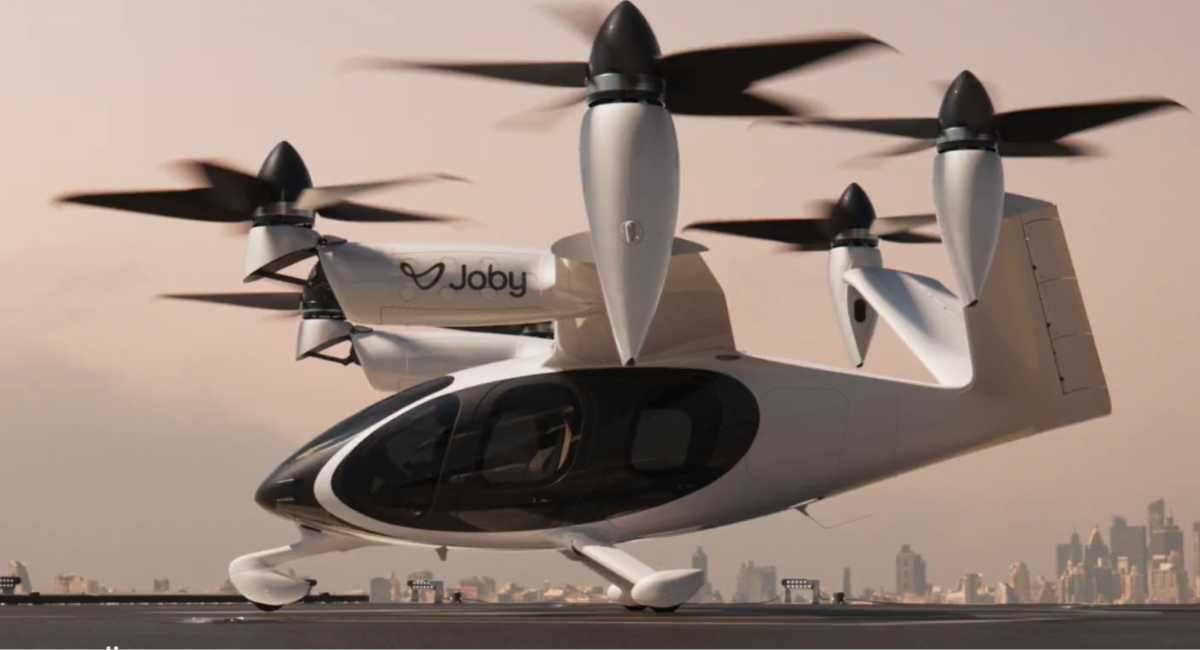
April 2026 was a massive month for Joby. The company completed the first “point-to-point” flights in New York City. A trip from JFK Airport to Manhattan took less than 10 minutes—a journey that usually takes over an hour in a car.
More importantly, Joby has moved into Stage 4 certification with the FAA (Federal Aviation Administration). This is the second-to-last step before they are legally allowed to fly passengers in the U.S. Joby is currently the first company in the country to reach this final stage.

What to Watch For
When the report drops, investors will be looking for three main things:
- Launch Dates: Will Joby really start flying people by late 2026 or 2027? The company is already planning pilot projects in New York, Texas, Florida, and more.
- Building More Planes: Joby wants to double its manufacturing. The goal is to build 4 aircraft every month.
- The Blade Merger: In 2025, Joby bought Blade Air Mobility. Investors want to see how Joby is using Blade’s 90,000 existing customers to prepare for the future.
Conclusion
Some experts say “Buy” because Joby is the clear leader in the race. Others say “Wait” because the company is spending roughly $370 million every six months. Today’s earnings call will tell us if Joby can turn its successful test flights into a real, profitable business.