The “Powered-Lift” era is here. Here is what you need to know about training, timelines, and those impressive salary numbers.
We have already spent a lot of time talking about the hardware—the Joby S4 or Archer’s Midnight. We track the battery tech and the billions in funding. But as we very near to commercial launches in 2026, there is a massive human question that isn’t being asked enough: Who is actually going to fly these things?
By 2030, the industry is going to need thousands of pilots. If you’re a current flyer looking for a career —or a newcomer looking for fresh opportunity in a brand-new industry—this is your roadmap to the cockpit.
What is a “Powered-Lift” Rating?
In a historic move, the FAA officially created the “Powered-Lift” category to handle the unique nature of eVTOLs. These aircraft sit right in the middle of two worlds: they take off vertically like a helicopter but cruise forward on wings like an airplane.
Because they transition between these two modes of flight, the FAA decided a standard license wouldn’t cut it. To fly an eVTOL for hire, you now need a Powered-Lift Pilot rating.
Current Requirements for 2026
The FAA’s 2024 standards have clarified what it takes to get certified. Here is the checklist:
- Prerequisites: You need a valid commercial pilot license and a current medical certificate.
- Flight Hours: A minimum of 250 total flight hours is required to start.
- Specialized Training: Expect 40-50 hours of powered-lift specific training, including 20 hours of ground school and up to 20 hours in advanced simulators.
- The Check Ride: Just like any other rating, you’ll face a 100-question written exam and a practical flight test with an examiner.
Timeline: How Long Does It Take?
The “Time-to-Cockpit” varies wildly depending on your current experience level:
- For Commercial Pilots: This is the “Fast Track.” Expect a 2-to-4 month transition period focused on transition flight maneuvers, costing between $15,000 and $25,000.
- Starting from Scratch: If you’re a total beginner, you’re looking at 8 to 16 months to earn your private and commercial licenses before adding the powered-lift rating. Total cost can soar to over $165,000.
Training: What’s Different About eVTOL?
eVTOL training is different from traditional aviation.
Helicopter training:
Focus: Vertical flight, hovering, precise control
Skills: Manage rotor systems, autorotation procedures, precision landing
Mindset: “This is complex, everything is possible”
Airplane training:
Focus: Speed management, runway operations, altitude awareness
Skills: Manage cruise, traditional takeoffs/landings
Mindset: “Go fast, plan ahead”
eVTOL training:
Focus: Vertical takeoff AND fast forward flight
Skills: Transition from hovering to cruise, electric systems, battery monitoring
Mindset: “Combine both plus new procedures”
Unique eVTOL procedures:
- Battery monitoring (new for pilots)
- Electric motor limitations (new)
- Distributed propulsion (multiple motors)
- Transition procedures (vertical to forward flight)
- Emergency glide procedures (electric system failure)
- Charging station procedures (new)
- Remote pilot operation (for autonomous aircraft)
So training is like combining helicopter and airplane training, then adding new eVTOL-specific stuff.
Who’s Providing Training?
Currently, very few places offer powered-lift training.
Companies offering training (2024-2026):
- Flight academies (beginning to offer)
- Joby Aviation (internal training for their pilots)
- Archer Aviation (internal training)
- Independent flight schools (some)
- Traditional pilot training companies (expanding)
By 2027:
Expect training to expand. More schools will offer it. Cost might drop. But right now, training options are limited.
Job Market: Will There Be Jobs?
Simple answer: Yes. Lots.
Projected eVTOL pilot demand by 2030:
- Joby needs: 100-200 pilots minimum
- Archer needs: 100-200 pilots minimum
- Lilium needs: 50-100 pilots minimum
- Other companies: 50-100 pilots minimum
- International: 100-200 pilots minimum

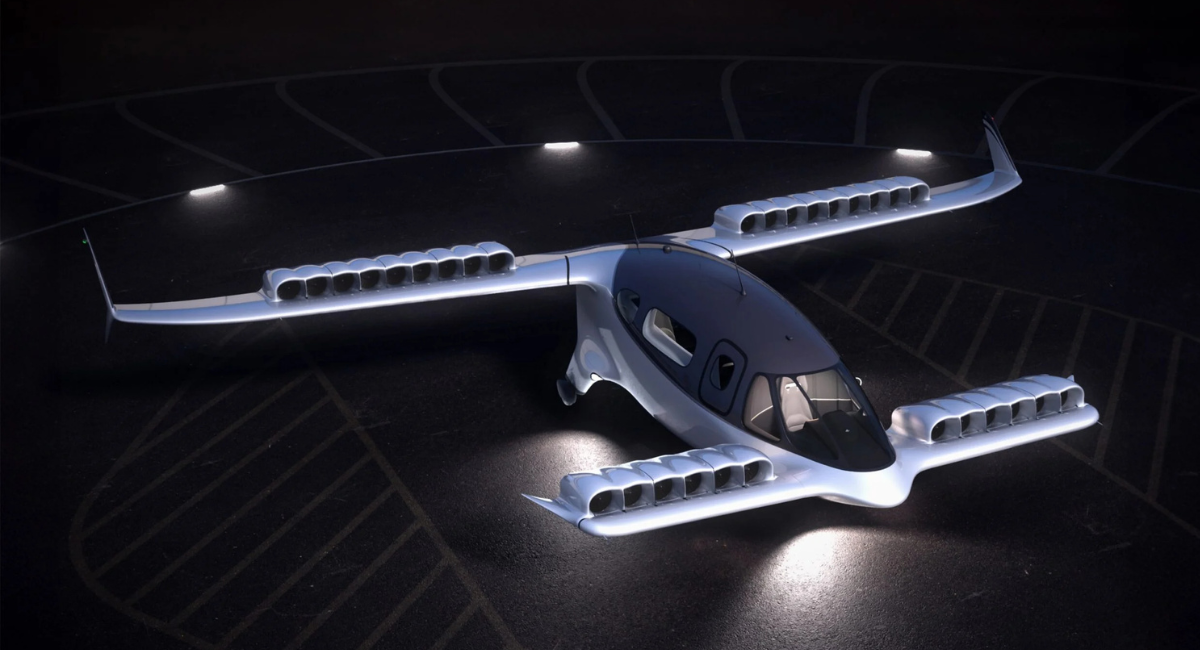
Total estimate: 400-800 eVTOL pilots by 2030
Projected by 2035:
If eVTOL market grows as expected:
- Multiple operators (Joby, Archer, Lilium, others)
- Multiple routes per city
- Multiple aircraft per operator
- Need 1,000-5,000 pilots
Supply of trained pilots:
- Helicopter pilots available: 3,000-4,000 active
- Airplane pilots available: 600,000+ active
- Converting to eVTOL: Maybe 1,000-2,000 by 2030
Salary: What Can You Earn?
Because there is a massive shortage of pilots with this specific rating, companies are paying a premium. In many cases, eVTOL pilots are expected to earn significantly more than their traditional helicopter counterparts:
- Entry-Level: $80,000 – $120,000 per year.
- Experienced: $120,000 – $200,000 per year.
- Chief Pilot: $150,000 – $250,000+.

The Reality Check
There are a few myths we need to check:
- “They are autonomous anyway”: Not for a while. Human pilots will be mandatory for at least the next decade.
- “It’s too complicated”: For existing pilots, the conversion is relatively straightforward. Most of the complexity is handled by the aircraft’s software.
The Forecast: Why Now is the Time to Fly
By 2030, being an eVTOL pilot won’t just be a “new” job—it will be a highly respected, well-paid profession at the center of urban transit. Looking further ahead to 2035, the role could actually become more desirable than being an airline pilot.
Why? Because you get the best of both worlds: competitive pay and a significantly better quality of life that lets you sleep in your own bed every night instead of a hotel room halfway across the country.
Early adopters are getting in at the perfect time to set the standard for the industry.
Busting Common eVTOL Pilot Myths
Myth 1: “The aircraft are fully autonomous.”
Reality: While the tech is impressive, the FAA is mandating human pilots for the launch phase. Fully autonomous commercial flights are a long-term goal, likely not arriving until 2035 or later.
Myth 2: “The training is impossibly complex.”
Reality: If you already have your wings, the transition is actually quite smooth. Most experienced pilots can earn their powered-lift rating in just 2 to 4 months of focused training.
Myth 3: “You need an entirely different license.”
Reality: You need a new “powered-lift” rating, but it’s an add-on to your existing commercial license. The FAA has paved a very clear, straightforward path for current pilots to bridge the gap.
Myth 4: “I’ll be making Airline Captain money on day one.”
Reality: While you’ll likely earn more than a traditional helicopter pilot—landing in the $100,000 to $200,000 range—you won’t hit major airline captain salaries immediately. It’s a premium paycheck, just a different scale.
Myth 5: “This is a short-term gig before robots take over.”
Reality: Autonomous systems are still at least a decade away from being the industry standard. Humans will be the primary safety factor in these cockpits for a long, long time.
The Career Ladder: What Your Future Looks Like
Becoming an eVTOL pilot is a launchpad for a long-term aviation career. Here is how your trajectory might look:
- Years 1-2: Mastering the aircraft, clocking flight hours, and building your reputation in the urban air mobility (UAM) space.
- Years 3-5: Moving into Senior Pilot territory or stepping into specialized training roles to help new recruits.
- Years 5-10: Transitioning into leadership as a Chief Pilot or moving into high-level operations management.
Long-term, your options are wide open: you could become a Training Captain, a Safety Manager overseeing entire fleets, or even use your expertise to start your own air taxi consultancy.
The eVTOL pilot path is one of the most exciting new frontiers in tech and aviation. If you’re already flying helicopters or airplanes, the powered-lift rating is a high-value, high-speed conversion. For newcomers, it’s a rigorous but rewarding entry into the future of flight.
The market is hungry for pilots, the jobs are real, and the pay is strong. Because of the current pilot shortage, those who get certified now are commanding premium salaries. By 2030, thousands of pilots will be navigating the skylines of major cities—and you could be in that first wave.
Want to dive deeper? Check out our other guides on eVTOL battery tech and the latest from Joby and Archer.
Conclusion
The eVTOL pilot is the new and the fresh opportunity. With Joby, Archer, and Lilium all looking to hire hundreds of pilots by 2027, the demand is currently outpacing the supply. If you love aviation and want to be part of the “urban air mobility” revolution, now is the time to start your training.
For more on the hardware side of things, check out our guide to eVTOL Battery Tech.