

Here’s the thing about the “flying/air taxi” future we have been promised: it all comes down to the batteries. On the surface, that might not sound like a dealbreaker. After all, batteries already power the Pixel in your pocket and the EV in your driveway.
But eVTOLs (electric vertical take-off and landing aircraft) are a completely different thing.
Think about it this way: your phone battery just needs to get you through a full day of scrolling. An electric car battery needs to push a chassis across 300 miles.
But an eVTOL battery? It has to generate enough raw power to lift a heavy aircraft—plus passengers—straight into the sky, cruise for 50 miles, and still have enough battery to land safely.
That is an incredibly great logic. While we often talk about sleek designs, government regulations, or venture capital funding, those aren’t actually the main event. The biggest challenge standing between us and a sci-fi commute isn’t the software or the wings—it’s the batteries. Period.
How Batteries Power Flying Taxis (And Why They’re The Biggest Challenge)
This guide explains why batteries matter so much. How they work. What limitations exist. And when better batteries might arrive.
Why Batteries Matter So Much For eVTOL
Simple answer: batteries determine everything.
Battery weight determines:
- How many passengers the aircraft can carry
- How far the aircraft can fly
- How fast the aircraft can go
- How much the aircraft costs to operate
If batteries are too heavy: Aircraft can’t lift off.
If batteries are too weak: Aircraft can’t fly far.
If batteries are too expensive: Flying taxis cost $1,000 per ride instead of $100.
So battery technology will bring eVTOL success.
What Is A Battery Anyway?
A battery has three parts:
Positive terminal (cathode): Where electrons come from
Negative terminal (anode): Where electrons go
Chemical stuff in between (electrolyte): Moves electrons
When you connect a battery to something (like a motor), electrons flow. That flow creates electricity. Different chemicals create different electricity. That’s why batteries vary.
Current Battery Technology: Lithium-Ion
Almost all eVTOL companies use lithium-ion (Li-ion) batteries.
Same batteries used in:
- Tesla vehicles
- iPhones
- Laptops
Why lithium-ion?
Because it has good energy density (lots of power per pound).
Energy density: How much power per unit of weight.
For eVTOL, energy density is everything.
Lithium-ion specs:
- Energy density: 150-250 watt-hours per kilogram (Wh/kg)
- Lifespan: 500-2,000 charge cycles
- Cost: $100-150 per kilowatt-hour (kWh)
- Weight: Moderate
Example: A 100 kWh battery weighs roughly 600-800 pounds.
That’s heavy. But it’s the best we have right now.
The Battery Challenge For eVTOL
Here’s the specific challenge: eVTOL needs to fly 30-50 miles. With 4-6 passengers. And land safely.
Let’s do the math:
A typical eVTOL (like Joby) needs:
- 450 kilowatt-hours (kWh) of power per flight
- Maximum battery weight: 2,000 pounds
- That’s the total aircraft weight limit for a 6-passenger aircraft
The Current Lithium-Ion Problem
To make a flying taxi viable with today’s standard battery technology, the requirements are staggering:
- Battery weight needed: 1,500–1,800 pounds
- The Reality: That accounts for 75–90% of the total aircraft weight.
What’s left for everything else?
With the battery taking up the lion’s share of the weight, there is very little “allowance” left for:
- Aircraft structure and motors
- Landing gear and safety systems
- The pilot and passengers
The verdict: It’s simply not enough to be commercially viable.
The eVTOL Solution: High-Density Cells
To get off the ground, companies are turning to specialized lithium-ion batteries with much higher energy density. However, these come with significant trade-offs:
| Feature | Standard EV Battery | eVTOL Battery |
|---|---|---|
| Cost (per kWh) | $100–$150 | $200–$300 |
| Safety Profile | Stable | Higher flammability risk |
| Longevity | Proven cycles | Fewer charge cycles |
While these advanced batteries require complex cooling systems and rigorous testing, they represent the only way the industry can move forward—even if they are only “barely” making it work for now.
Energy Density: The Critical Metric
This is the key number that determines everything.
Current lithium-ion: 200-250 Wh/kg
What eVTOL needs: 300-400 Wh/kg (to make aircraft practical)
Why the gap? Because 250 Wh/kg makes aircraft too heavy to be practical.
With 300 Wh/kg:
- Battery would weigh 1,200 pounds (instead of 1,500-1,800)
- Aircraft becomes practical
- Operating costs come down
- More passengers possible
So the race is: Can we get to 300+ Wh/kg?
Charging: Another Huge Challenge
Batteries need to charge. That takes time.
Current lithium-ion charging:
Fast charging: 30-60 minutes (for 80% charge)
Normal charging: 3-5 hours (for full charge)
eVTOL problem:
If an aircraft needs 5 hours to charge between flights, it can only do 1-2 flights per day.
That’s not profitable.
What eVTOL companies need:
Charge time: 10-15 minutes maximum (for 80% charge)
How to achieve this:
Option 1: Battery swap (have extra batteries, swap them)
Option 2: Faster charging technology
Option 3: Smaller flights (less battery = faster charge)
Current solution: Battery swap
Companies will have backup batteries. When aircraft lands, swap battery. Old battery charges slowly. New battery goes in. Aircraft takes off again.
This works but requires:
- Extra batteries (expensive)
- Specialized equipment
- Trained technicians
- More infrastructure
Temperature: Batteries Hate Heat
Lithium-ion batteries work best at specific temperatures.
Ideal temperature: 60-80 degrees Fahrenheit
eVTOL problem: Aircraft in hot climates heat up. Batteries in cold climates freeze.
What happens:
Hot batteries:
- Degrade faster
- Less efficient
- Shorter lifespan
- Risk of fire
Cold batteries:
- Won’t charge properly
- Lose power output
- Shorter lifespan
eVTOL solution: Thermal management system
This is a cooling and heating system that keeps batteries at right temperature.
Cost: Adds 5-10% to aircraft weight
Complexity: Adds significant complexity
Power use: Uses some of the aircraft’s power
So thermal management is necessary but expensive.
Battery Cost: The Money Problem
Batteries are expensive.
Current lithium-ion cost: $100-150 per kilowatt-hour
eVTOL battery requirement: 450 kWh
Total battery cost: $45,000-67,500 per aircraft
Problem: That’s 20-30% of total aircraft cost!
So if an eVTOL costs $250,000 total, $50,000+ is just the battery.
Goal: Reduce cost to $50 per kWh
At $50/kWh, same 450 kWh battery costs $22,500. That’s much better.
Timeline for cheaper batteries: 5-10 years
So battery costs will come down. But not fast.
Which Companies Are Using What Batteries?
Let me list each company’s battery strategy:
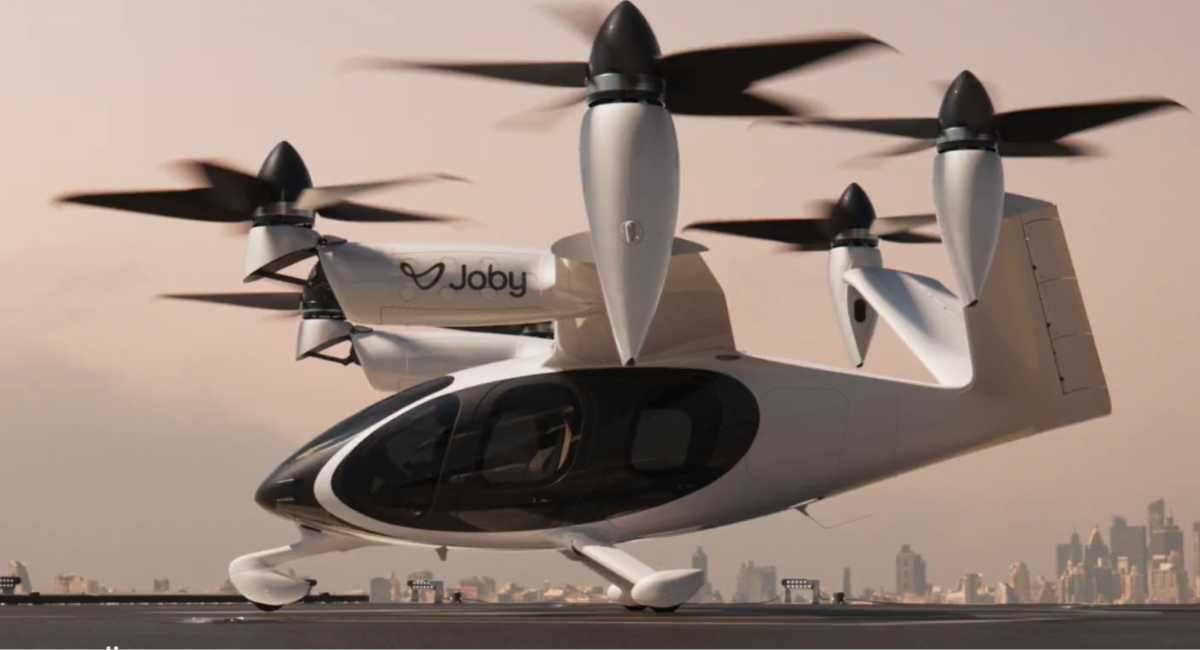
JOBY AVIATION
Battery choice: Custom lithium-ion (high energy density)
Partner: GS Yuasa (Japanese battery maker)
Status: Testing advanced batteries
Timeline: Using current tech for 2026 launch
My opinion: Joby using proven technology. Not revolutionary. But works.

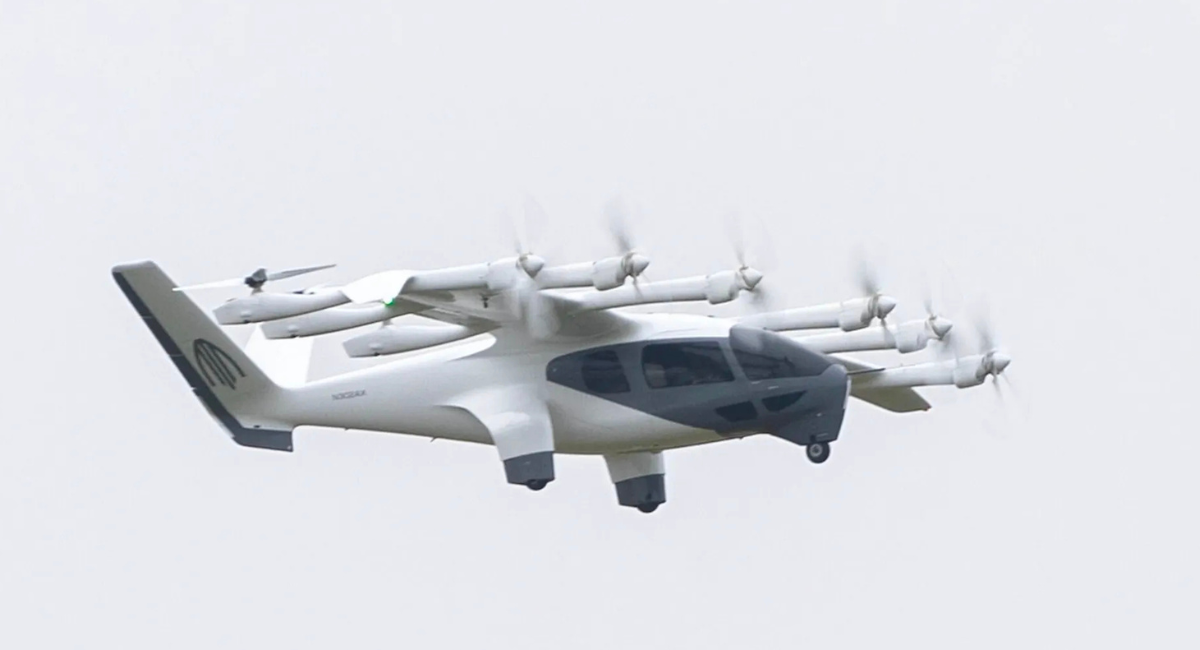
ARCHER AVIATION
Battery choice: Lithium-ion (similar to Joby)
Partner: Samsung SDI (developing custom cells)
Status: Working on next-generation batteries
Timeline: May upgrade batteries for later aircraft
My opinion: Archer has good partner. Samsung has battery expertise.
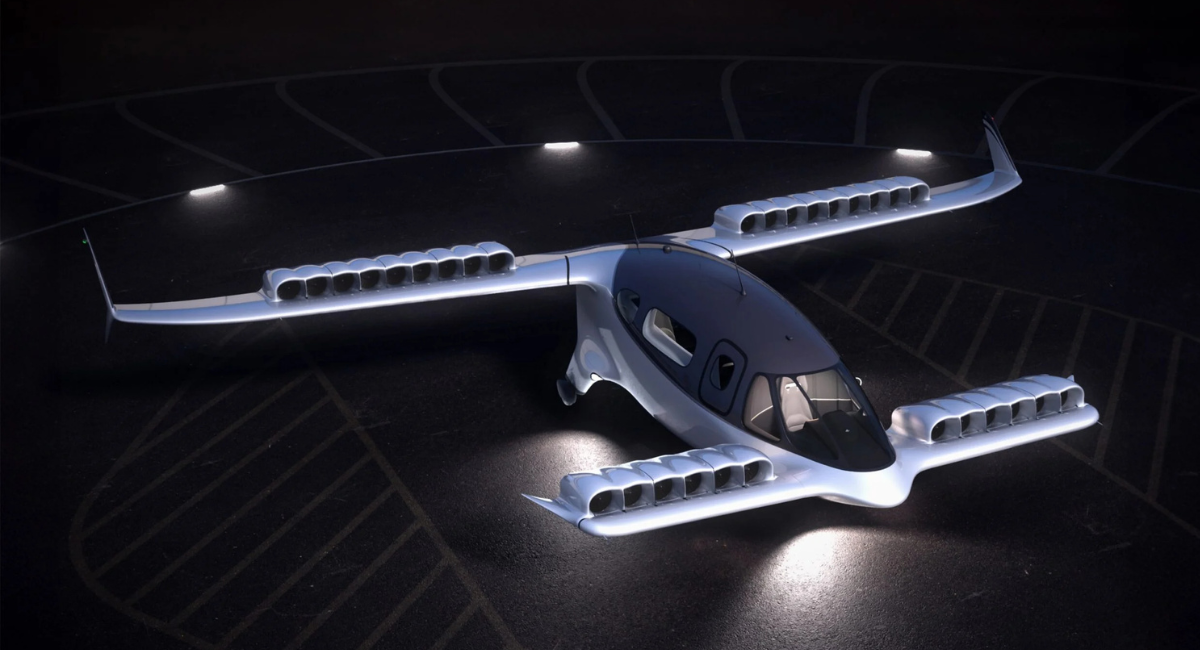
LILIUM
Battery choice: High-energy lithium-ion
Partner: Customized from multiple suppliers
Status: Developing thermal management
Timeline: Continuous battery optimization
My opinion: Lilium’s complex design needs better batteries. Pressure on battery innovation.
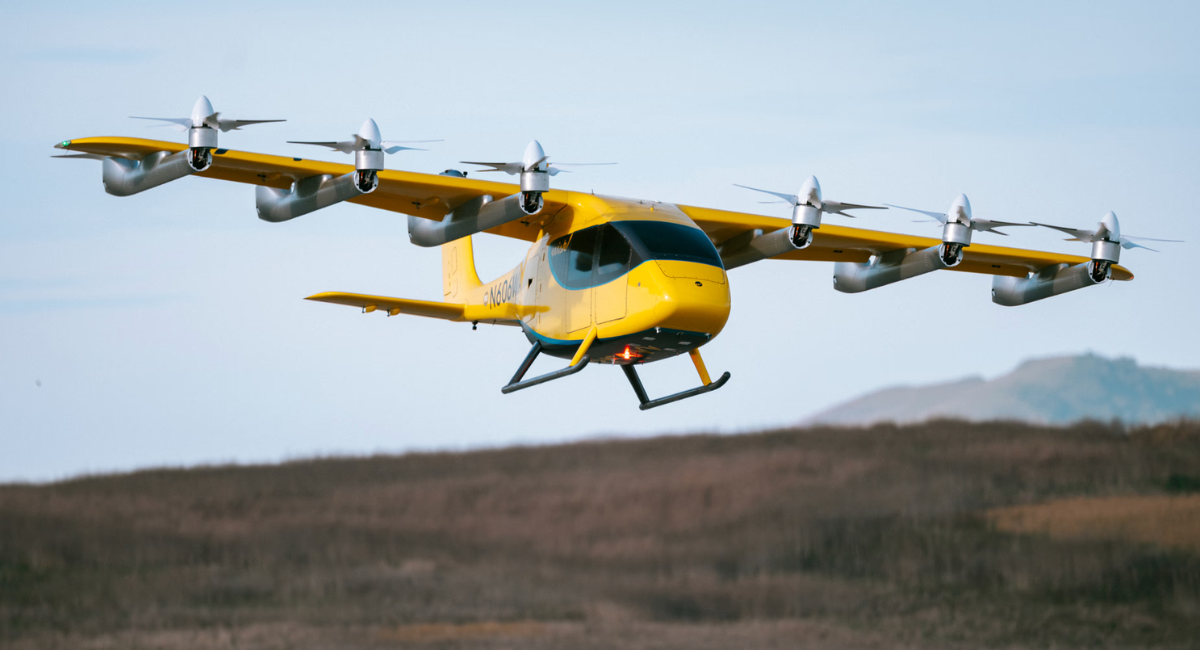
WISK AERO
Battery choice: Advanced lithium-ion
Partner: Boeing suppliers (confidential)
Status: Autonomous flight requires very efficient batteries
Timeline: Efficiency focus for autonomous operation
My opinion: Autonomous flight means less margin for error. Need excellent batteries.
Future Battery Technology: What’s Coming?
Scientists are working on better batteries. Here’s what’s coming:
Solid-State Batteries
What they are: Batteries with solid electrolyte (instead of liquid)
Advantages:
- Higher energy density (400+ Wh/kg possible)
- Faster charging
- Longer lifespan
- Safer (less flammable)
Disadvantages:
- Still being developed
- Very expensive
- Manufacturing challenges
- Lifespan still unproven
Timeline: Possible by 2030-2035
Lithium-Metal Batteries
What they are: Batteries using lithium metal instead of graphite
Advantages:
- Much higher energy density (500+ Wh/kg theoretical)
- Lighter weight
- Better performance
Disadvantages:
- Very flammable
- Hard to manufacture
- Short lifespan
- Expensive
Timeline: Possible by 2035+
Lithium-Sulfur Batteries
What they are: Batteries using sulfur cathode
Advantages:
- Higher energy density than lithium-ion
- Cheaper materials
- Lighter weight
Disadvantages:
- Very new technology
- Short lifespan (so far)
- Hard to manufacture
- Not proven
Timeline: Research phase, maybe 2040+
The Battery Reality For eVTOL Launch
Here’s the honest truth:
By 2026-2027: eVTOL will launch using current lithium-ion technology. It’s heavy. It’s expensive. But it works. Top players are using high-nickel Li-ion cells (like Molicel) that hit roughly 270–285 Wh/kg. It’s the “brute force” phase of the industry.
By 2030: Slightly better batteries. Maybe 250-280 Wh/kg. Still lithium-ion. Silicon-anode upgrades to standard Li-ion are expected to push towards the 300-330 Wh/kg range.
By 2035: Solid-state batteries maybe available. Energy density 350+ to 400+ Wh/kg.
By 2040: Real battery revolution possible. Lithium-metal or other tech.
So eVTOL doesn’t need battery revolution to launch. Current batteries work. They’re just not ideal. But better batteries will make eVTOL practical, affordable, and profitable.
What Battery Improvements Would Change Everything
The 400 Wh/kg Milestone: From Prototype to Profit
Reaching a battery energy density of 400+ Wh/kg is the definitive “magic number” for the aviation industry.
At this threshold, the massive weight penalty of current battery technology effectively evaporates, cutting the total aircraft weight nearly in half.
This reclaimed weight allows for more passengers and longer flight distances, transforming the eVTOL from a limited tech demo into a high-frequency workhorse capable of 4 to 5 flights per day.
With charging times dropping to just 10 minutes, the path to a truly profitable, high-utilization operation finally becomes clear.
The economic shift is equally profound. As density improves and scale increases, the cost of a typical battery pack is projected to drop from $50,000 to approximately $22,000.
With operating costs falling toward $50/kWh, the overall price of the aircraft—and by extension, the ticket price for the passenger—will plummet.
This evolution is what will ultimately transition flying taxis from a luxury curiosity into an affordable, practical alternative to ground transportation.
Amit’s Honest Opinion: Will Batteries Be Ready?
Here’s my real point.
For 2026-2027 launch: Yes, batteries are ready. Current lithium-ion is sufficient.
For practical eVTOL market by 2030: Barely. We need some improvement.
For widespread adoption by 2035: Maybe. Depends on battery advances.
My prediction:
By 2030, eVTOL will operate with current-generation batteries. It works. But it’s expensive, limited range, limited flights per day.
By 2035, if solid-state batteries arrive, eVTOL becomes truly practical.
By 2040, eVTOL market is big because batteries are much better.
Common FAQs About eVTOL Batteries
1. Will better batteries eventually allow flying taxis to fly for hours?
The Misconception: “Better batteries will let eVTOLs fly forever.”
The Reality: Even with “perfect” battery technology, physics still wins. Most eVTOLs are designed for short, urban hops. Due to the massive energy required for vertical take-off and landing, expect a maximum range of 50–100 miles for the foreseeable future. They are meant to beat traffic, not replace cross-country jets.
2. Can these aircraft be recharged as quickly as I fuel my car?
The Misconception: “Batteries will be fully charged in seconds.”
The Reality: While “instant” charging sounds great, it’s not physically practical for batteries of this size. Even with high-voltage fast charging, a 10–30 minute turnaround is the realistic minimum. This is why many companies focus on “opportunity charging”—topping off the battery while passengers board and deplane.
3. Will the batteries last for the entire lifespan of the aircraft?
The Misconception: “The batteries never need to be replaced.”
The Reality: Like your smartphone or laptop, eVTOL batteries degrade over time. The high-performance demands of flight mean these batteries will likely need to be replaced after 1,000 to 2,000 charge cycles to ensure they maintain the necessary power for safety and landing reserves.
4. Is there a “miracle” battery coming in time for the 2026 launch?
The Misconception: “Battery technology will undergo a revolution by 2026.”
The Reality: We have to work with what we have. While lab breakthroughs happen often, it typically takes 10–15 years to move a new battery chemistry from the lab to a certified aircraft. The eVTOLs launching in 2026 will rely on high-end versions of the lithium-ion tech we use today.
5. Why not just use wireless charging to save time at the pad?
The Misconception: “eVTOLs will eventually switch to wireless charging.”
The Reality: Wireless charging is notoriously inefficient and generates significant heat—two things you want to avoid in aviation. To move the massive amount of energy required for an aircraft quickly, a physical, high-speed cable connection is the only practical solution. Wireless charging for aircraft simply isn’t on the horizon.
Learn More About eVTOL Technology
Read our related articles:
- Joby Aviation – What batteries are they using?
- Archer Aviation – Samsung battery partnership
- Lilium – Battery challenges with complex design
- Wisk Aero – Autonomous flight efficiency
- Vertiports – Charging infrastructure challenge
Also read:
- FAA Certification – Why batteries affect timeline
- eVTOL Funding 2026 – Who has money for battery R&D
- Investing in eVTOLs – How batteries affect investment
Questions About eVTOL Batteries?
Email us: contact@airtaxicentral.com or amit@airtaxicentral.com
Air Taxi Central | Covering the eVTOL Revolution
airtaxicentral.com | @AirTaxiCentral