


Lots of people are wondering: how do flying taxis actually get the green light to fly? On our site, Air Taxi Central, we’ve covered all the big news about companies like Joby and Archer.
We have talked about the flying taxis launches, analyzed stocks, and looked at what the market will look like in 2026 and 2027. You have seen plenty of timelines and big promises.
But there’s one huge thing we haven’t looked at yet: How does the FAA actually decide if a flying taxi is safe? This approval process is the most important part of the story because, without it, none of those big promises can actually happen.
Everything You Need To Know About How Flying Taxis Get Government Approval
First of all, in simple language No FAA approval means no flying taxis. Joby could have the best aircraft. Archer could have unlimited funding. Lilium could have the coolest design. But if the FAA says no, then the companies are not able to operate.
This guide explains how FAA certification works. What companies must do. What the timeline really is. And what could go wrong.
This is educational information based on public FAA documents and industry reporting. It’s not official guidance. For official FAA information, visit faa.gov.
What Is FAA Certification?
Simple definition: FAA certification means government permission to operate.
The FAA is the Federal Aviation Administration. They regulate all aircraft in the United States.
To fly an aircraft commercially:
- The aircraft must be designed safely
- The aircraft must be tested thoroughly
- Pilots must be trained and certified
- Operations must follow strict rules
- The company must prove it’s safe
FAA certification proves all of this.
It’s not a quick process, for your information it takes years and also costs hundreds of millions of dollars.
Why FAA Certification Matters
Without FAA approval, eVTOL companies can’t:
- Carry paying passengers
- Operate commercial flights
- Use US airspace for passengers
- Collect revenue from flying services
- Scale the business
So the timeline for FAA approval IS the timeline for eVTOL launch.
That’s why it matters so much.
The FAA’s eVTOL Certification Challenge
Here’s the problem the FAA faces:
eVTOLs are completely new.
The FAA has certified:
- Airplanes
- Helicopters
- Drones
But eVTOLs are different. Flying Taxis/Air Taxis take off vertically like helicopters. The models carry passengers like airplanes. These aircrafts are electric and autonomous (maybe).
So the FAA has to invent new rules for something that doesn’t exist yet.
The Current FAA Approach
The FAA doesn’t have one single certification path for eVTOLs.
Instead, the FAA is using:
Option 1: Special Airworthiness Certification (SAC)
This is for new aircraft types. The aircraft has to prove it meets safety requirements. But the FAA can set custom requirements for eVTOLs.
How it works:
- Company builds prototype
- Company tests prototype extensively
- FAA reviews test data
- FAA sets specific requirements
- Company modifies aircraft
- Company tests again
- Repeat until FAA approves
Timeline: 3-5 years typically
Option 2: Powered-Lift Certification (New Category)
In 2023, the FAA created a NEW category: “powered-lift.”
This is specifically for eVTOLs. It sits between helicopters and airplanes.
Requirements:
- Must meet certain safety standards
- Must be able to land safely with failed systems
- Pilots must have specific training
- Operations must follow specific rules
Timeline: 2-4 years for initial certification
Current Status: Which Companies Are How Close?
Let me break down where each company actually is:
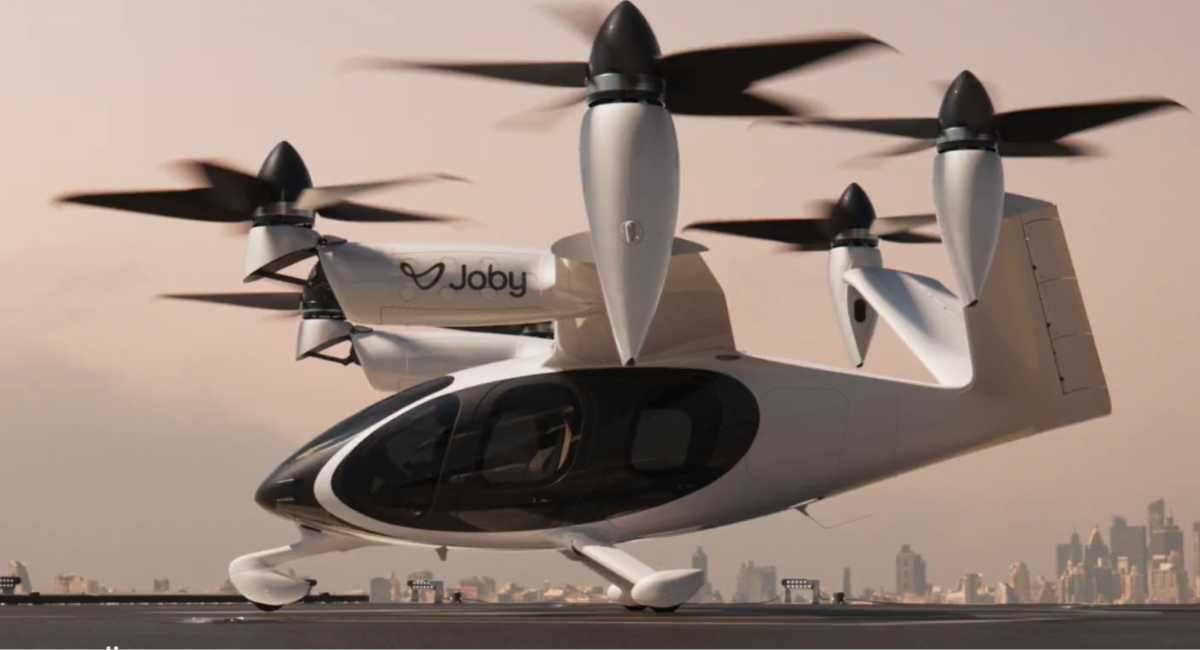
JOBY AVIATION
Status: In the final stage of FAA Type Certification (Type Inspection Authorization).
What Joby did:
- Built the “Real Deal”: The company moved past basic prototypes and started flying FAA-conforming aircraft (the actual version they intend to sell).
- Proven Flight Record: The company have now conducted thousands of flight tests, including full transitions from vertical takeoff to high-speed cruise.
- Paperwork: Joby completed the “certification plans” stage and moved into the “for-credit” testing stage where the FAA counts the data toward final approval.
- Early Operations: The company were recently selected for a White House-backed pilot program that allows them to start early air taxi operations in 10–12 U.S. states (like New York, Texas, and Florida) even before full final certification is finished.
Current stage: Type Inspection Authorization (TIA)
Timeline claim: 2024–2025 (Original)
Reality: 2026
Update: Commercial air taxi services are now expected to officially launch later this year (late 2026) in limited markets, with a major scale-up in 2027.
My assessment: Joby remains the clear leader. They aren’t “1-2 years away” anymore—they are in the “final months” of the home stretch.
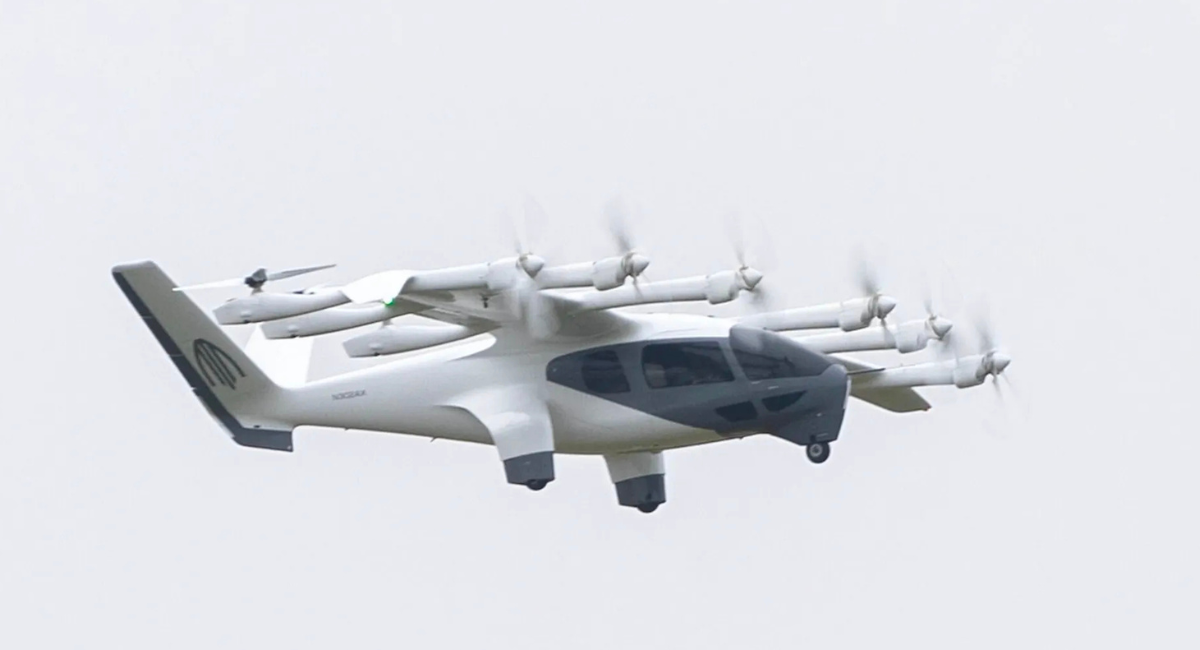
ARCHER AVIATION
Status: Entering Final FAA Type Certification (TIA)
What Archer did:
- Transitioned from Maker prototype to the production-ready Midnight aircraft.
- Achieved 100% FAA acceptance of “Means of Compliance” (a first in the industry).
- Opened a massive manufacturing plant in Georgia capable of building 650 planes a year.
- Solidified United Airlines partnership for “trunk” routes (e.g., Newark to Manhattan).
Current stage: For-credit flight testing and preparing for 2026 launch.
Timeline claim: “Operations late 2026”
Reality: On track for limited 2026 launch (likely starting in Abu Dhabi or NYC).
My assessment: Archer is Joby’s primary rival. They have simplified the regulatory path and have the strongest manufacturing plan.
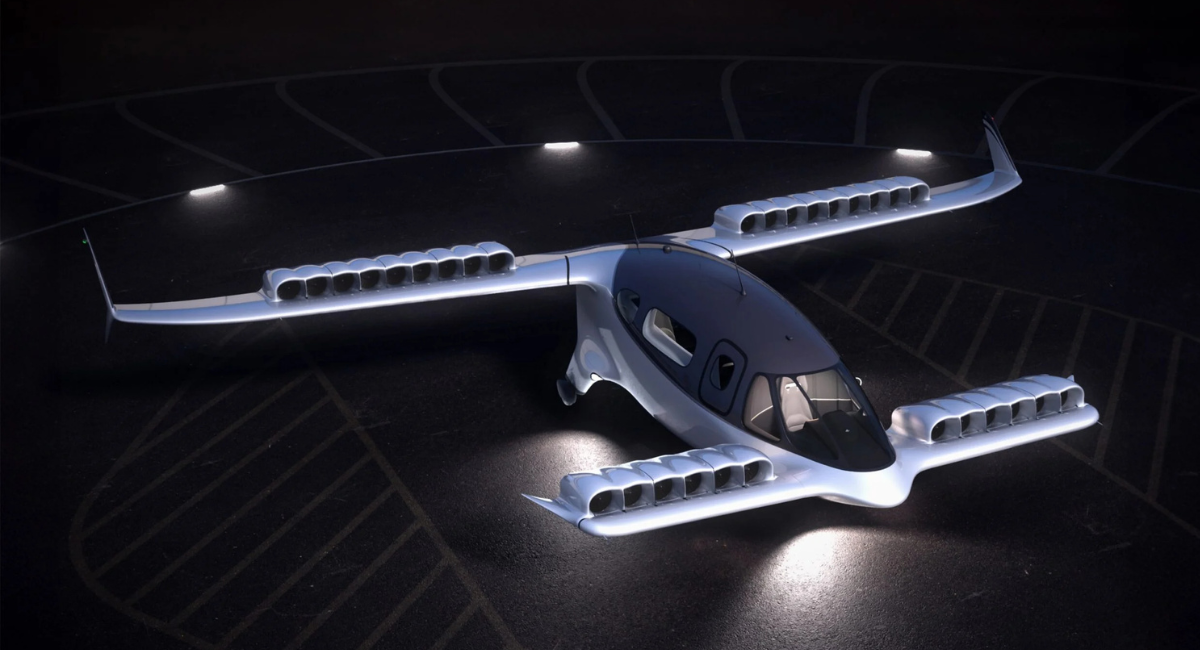
LILIUM
Status: Dual Certification (EASA & FAA)
What Lilium did:
- Developed the unique “Jet” design using 36 electric ducted fans.
- Conducted extensive testing in Spain and Germany.
- Started assembly of “MSN 1” (the first full-scale conforming aircraft).
Current stage: High-intensity ground testing and assembly of flight-test fleet.
Timeline claim: “Customer deliveries in 2026”
Reality: 2027-2028 is more realistic due to the technical difficulty of the Lilium jet-flap system.
My assessment: Higher risk, higher reward. Their jet is faster and carries more people, but the FAA is being extra cautious with their unique propulsion.
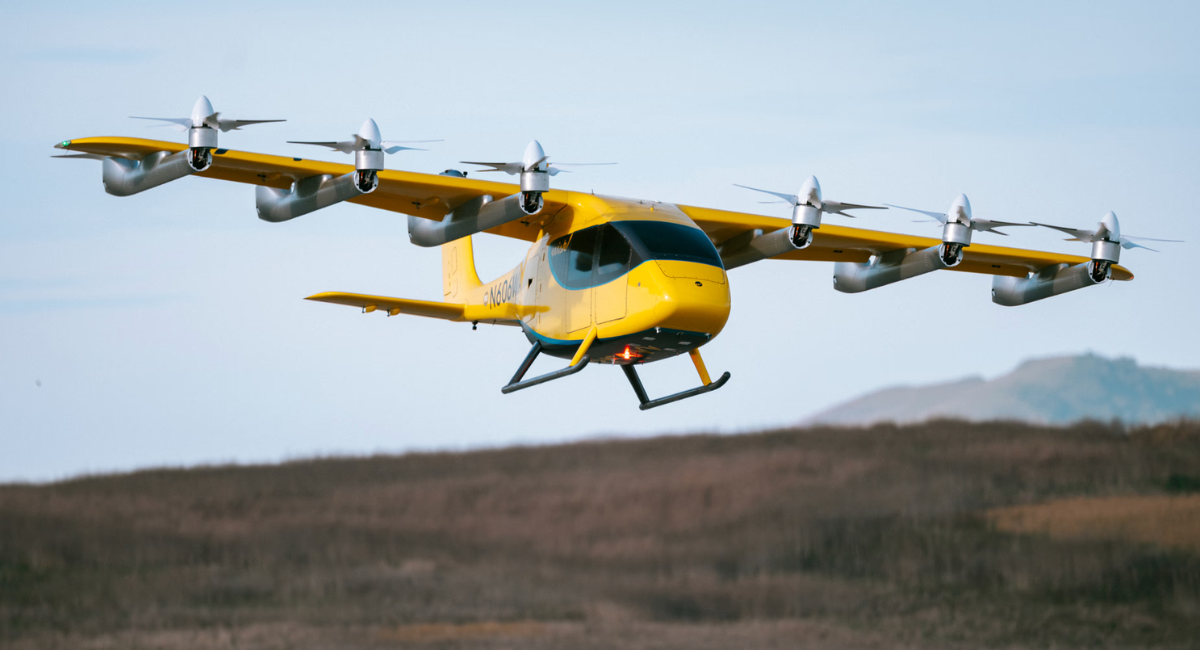
WISK AERO (Boeing)
Status: Advanced Autonomous Review
What Wisk did:
- Completed first flights of the Generation 6 (April 2026).
- Fully integrated into Boeing, giving them massive regulatory and financial “muscle.”
- Focused exclusively on pilotless flight (self-flying).
Current stage: Finalizing autonomous software safety cases with the FAA.
Timeline claim: “Operations before 2030”
Reality: 2028-2030 remains the target. Being pilotless means they skip the pilot-shortage issue but face a harder “safety” sell.
My assessment: They are playing the long game. While Joby and Archer fight for the 2026 spotlight, Wisk is building the tech that will likely dominate the 2030s.
What FAA Certification Actually Requires
To get approved, eVTOL companies must prove:
1. Safety
The aircraft must:
- Not crash under normal operations
- Not crash with one system failure
- Handle bad weather
- Have backup power systems
- Have emergency landing procedures
- Not hurt people on ground if crash occurs
Testing: Hundreds of flight tests. Thousands of hours of simulation.
2. Reliability
Engines/Motors must:
- Work continuously for required flight time
- Restart reliably
- Not overheat
- Handle all weather
- Fail safely
Testing: Component tests. Long-duration tests. Environmental tests.
3. Pilot Qualification
Pilots must:
- Have specific training for eVTOL
- Pass written tests
- Pass simulator tests
- Pass flight tests
- Maintain proficiency
Training: New pilot training program must be created and approved.
4. Operations Standards
Airlines/operators must:
- Have safety procedures
- Have emergency procedures
- Have maintenance procedures
- Train ground staff
- Follow air traffic control rules
- Report accidents/incidents
Documentation: Hundreds of pages of operational manuals.
5. Noise Standards
Aircraft must:
- Meet noise limits (not too loud)
- Test at specific locations
- Comply with local regulations
Testing: Acoustic testing. Noise measurement.
6. Emissions
Aircraft must:
- Meet emissions standards
- Demonstrate electric efficiency
- Prove environmental benefit
Testing: Emissions verification. Energy consumption analysis.
The Real Timeline: What’s Actually Happening
Let’s be honest about the roadmap. Based on the latest FAA progress as of April 2026, here is the most realistic schedule for “Type Certification” (the license to fly passengers):
- 2026:
- Joby Aviation: 85% chance. (Currently in final “for-credit” FAA testing).
- Archer Aviation: 75% chance. (Has 100% FAA-accepted compliance plans).
- 2027:
- Lilium: 60% chance. (Focusing on 2027 deliveries after complex “Jet” testing).
- Vertical Aerospace: 50% chance. (Recently completed piloted transition flight).
- 2028:
- Wisk Aero: 50% chance. (Aiming for 2028-2030 for full autonomous passenger service).
Why the “Delays”?
If these feel “late” compared to the original 2024 promises, here is why the FAA is taking its time:
| The Challenge | The Reality |
|---|---|
| Safety First | The FAA requires eVTOLs to be as safe as commercial airliners (1 failure in a billion flights). |
| New Category | “Powered-Lift” is a brand new category of aircraft. The FAA literally had to write new laws for them. |
| Battery Tech | Companies must prove batteries won’t catch fire even if a cell fails (Thermal Runaway testing). |
| Autonomy | For Wisk, proving a computer can handle an emergency better than a pilot is a massive “paperwork” hurdle. |
“Certification isn’t a race to the finish line; it’s a marathon of data. One failed bird-strike test or battery leak can reset the clock by six months.”
International Certification
Other countries have different approaches:
EASA (Europe)
Developing their own certification. Might approve Lilium faster (German company).
Timeline: Could approve 2026-2027
CAAC (China)
Already certified some autonomous aircraft. Could approve EHang faster.
Timeline: EHang might operate in China 2024-2025
DGCA (India)
Developing regulations for eVTOL. Still early stage.
Timeline: India approval probably 2027-2028
Risks That Could Delay Certification
Risk 1: Safety Incident
If an eVTOL crashes during testing:
- Delays 6-12 months minimum
- FAA investigation required
- Design changes might be needed
- Flight testing restarts
Impact: High (could delay 1-2 years)
Risk 2: Regulatory Changes
If FAA changes requirements:
- Aircraft might need redesign
- Testing might restart
- Timeline extends
Impact: Medium (could delay 6-12 months)
Risk 3: Technology Limitations
If aircraft can’t meet safety standards:
- Design must be fundamentally changed
- Could require years of redesign
Impact: Very high (could kill program)
Risk 4: Pilot Certification
If FAA decides new type rating required:
- New training program must be created
- Delays licensing
- Delays operations
Impact: Medium (could delay 6-12 months)
Risk 5: Funding Runs Out
If company runs out of money during certification:
- Testing stops
- Program closes
- No certification
Impact: Very high (could kill program)
What “Certification” Actually Means
Getting FAA approval is one thing.
Then the company still needs:
- Trained pilots (takes months)
- Maintenance infrastructure (takes months)
- Operations base (takes months)
- Route approval (takes months)
- Insurance (takes months)
So even after certification, launch takes 6-12 more months.
Amit’s Honest Assessment: When Will eVTOL Really Launch?
Forget the flashy marketing for a second. Here is my real opinion on how this actually plays out over the next decade.
The Most Likely Timeline:
- 2025-2026:
The “Paper” Victory. Joby likely gets their FAA Type Certification. This is a huge win, but don’t expect to see them over your city yet. It’s just the legal permission to exist. - 2026-2027:
The “Elite” Phase. Limited commercial operations begin (Joby/Archer). Expect very expensive, high-profile routes like JFK Airport to Manhattan. If you aren’t a CEO or a celebrity, you probably won’t be on one. - 2027-2028:
The Competition Begins. Archer gets full approval and enters the market. Competition starts to push the tech, but infrastructure (Vertiports) is still the bottleneck. - 2028-2030:
The “Wisk” Factor. Other players and autonomous models (like Boeing’s Wisk) start getting the green light. The market begins to move beyond just “airport shuttles.” - 2030-2035:
The Real Market. This is where the revolution actually happens. Multiple operators, better battery life, and established flight corridors finally make this a “normal” way to travel.
Amit’s Prediction on Price:
By 2030, you might finally be able to book a flight on an app. But be prepared for the bill:
- Estimated Cost: $200–$500 per seat, per ride.
- Availability: Very limited routes and strict schedules.
“The technology is coming fast, but the revolution—where flying taxis are as common and affordable as an Uber—won’t truly arrive until 2035 or later.”
— Amit
What Certification Means For Investors
If you’re investing in eVTOL companies:
If Joby gets certified in 2026:
- Stock might jump 50-100% (good news)
- But no revenue yet (so might come down)
- Real revenue doesn’t come until 2027-2028
Or it misses certification timeline:
- Stock will drop 30-50% (bad news)
- Investors panic
- Company might run out of money
Key dates to watch:
- FAA approval announcements
- Flight testing milestones
- Funding announcements
- Safety incident reports
Common Misconceptions About FAA Certification
There is a lot of “hype” out there. Let’s clear up some of the biggest myths about how these flying taxis actually get approved for the sky.
Misconception 1: “If Joby launches in 2026, everyone else launches in 2027.”
Reality: There is no “group pass.” Every single company—Archer, Lilium, Wisk—must go through their own independent 5-stage certification process. If one company hits a technical snag, they could end up years behind the leader.
Misconception 2: “Certification means the aircraft is perfect.”
Reality: Certification means the FAA has verified that the aircraft meets the minimum safety standards for commercial flight (usually a 1-in-a-billion chance of a critical failure).
Like cars or airliners, they are “safe enough,” but they still require constant maintenance and strict pilot training to stay that way.
Misconception 3: “Certified in the U.S. means certified everywhere.”
Reality: Each region has its own “boss.” While the FAA handles the U.S., EASA handles Europe, and the CAA handles the UK.
While they often share data, EASA is known for being even stricter on “Jet” designs (like Lilium). A “Yes” from Washington does not mean an automatic “Yes” from London or Paris.
Misconception 4: “Certification only takes 2 or 3 years.”
Reality: For a brand-new type of aircraft like an eVTOL, the process typically takes 5 to 7 years. The “accelerated” timelines you see in the news (3-4 years) are incredibly ambitious and depend on the FAA prioritizing those companies above all other aviation projects.
Misconception 5: “If it hasn’t crashed in testing, it’s ready to be approved.”
Reality: The FAA doesn’t just look for “not crashing.” They perform “stress tests” that aren’t part of normal flying—like seeing if the plane can still fly if a bird hits a fan, or if the batteries can survive a lightning strike.
Testing is about proving what happens when things go wrong, not just showing that things can go right.
What Makes FAA Certification So Hard
Why does it take so long?
Because aircraft safety is hard.
One crash = federal investigation
One death = lawsuits, investigations, regulations
One incident = all aircraft grounded
The FAA is extremely careful. Rightfully so.
So even though eVTOL companies want to launch tomorrow, the FAA will take years.
This is actually good. You want flying taxis to be certified thoroughly, right?
Conclusion: When Will eVTOLs Really Operate?
Based on the latest FAA progress as of April 2026, here is the realistic roadmap for when these aircraft move from “testing” to “transportation.”
| Phase | What to Expect |
|---|---|
| 2026-2027 | The First Flights: Joby and Archer begin limited “pilot programs” in cities like NYC, Miami, and Abu Dhabi. |
| 2027-2028 | Early Commercial: Operations expand to major hubs. Rides are expensive and mostly used by business travelers. |
| 2028-2030 | Market Growth: More companies (like Wisk) join. Infrastructure improves, making flights more frequent. |
| 2030-2035 | Scaling Up: Prices begin to drop as battery tech improves and manufacturing scales. |
| 2035+ | Widespread Adoption: eVTOLs become a common alternative to sitting in highway traffic. |
Learn More About eVTOL Certification
Read our related articles:
- Joby Aviation – When will FAA approve them?
- Archer Aviation – United Airlines timeline
- Lilium – Most complex certification
- Wisk Aero – Autonomous certification challenges
- eVTOL Funding 2026 – Who has money to reach certification?
- Vertiports – Where will they land?
Questions About FAA Certification?
Email us: contact@airtaxicentral.com or amit@airtaxicentral.com

