


Market & Investment
eVTOL Funding 2026: How Much Money Did Each Flying Taxi Company Raise?
See the complete funding breakdown for all major eVTOL companies in 2026. Joby, Archer, Lilium, EHang, Volocopter, and Vertical funding compared. Who has the most runway?
The Easy-to-Understand Guide to Who Has Money and Who Doesn’t
Let me start with something simple: the eVTOL market is not about who builds the best aircraft. It’s about who has the most money.
Money is equal to Time and Time is equal to Success.
In April 2026, the funding picture changed. Vertical Aerospace got $850 million. Lilium is looking for more money. Volocopter is struggling. Joby has lots of money. Archer has big company support.
Let’s look at the actual numbers and understand what they mean.
How Much Money Does Each Company Have?
Let me be straightforward about this.
Joby Aviation has $976 million. Toyota gave Joby a huge check. Intel gave Joby money too. JetBlue gave Joby money. These are real companies, not just venture capitalists taking risks.
Archer Aviation has $550 million. But Archer has something more important: Stellantis. Stellantis is a giant car company worth $50 billion and is not just giving Archer money. Stellantis is helping Archer build factories and make aircraft.
Lilium has $350 million. But Lilium hasn’t raised new money since 2021. That’s five years ago. Lilium burns $80 million every year. That’s a problem.
EHang Holdings has $400 million. But EHang is different and already making money. The company is already flying passengers today. EHang doesn’t need more money like other companies.
Volocopter has $250 million. But Volocopter hasn’t raised big money in years. Every year, Volocopter spends $60 million on development. At this rate, the company will run out of money in 4-5 years.
Vertical Aerospace just raised $850 million. Six months ago, Vertical was running low on cash. Now the company has $1.05 billion total. This changes things for Vertical.
Why Does Money Matter So Much?
Flying/Air taxi companies spend a lot of money every year. All companies individually required $50 million to $100 million annually. Some spend more.
If Joby has $976 million and spends $80 million per year, Joby can operate for 12 years without making any money. That’s plenty of time to launch and become profitable.
If Lilium has $350 million and spends $80 million per year, Lilium can operate for only 4-5 years. That’s tight. Lilium needs to launch flying taxis FAST or find more money.
Here’s the simple truth:
Joby: Can wait and develop slowly = has 12+ years of money
Archer: Can develop fast with Stellantis help = has 8+ years of money
EHang: Makes money from flying taxis today = doesn’t need more money
Vertical: Just got 15+ years of money from new funding
Lilium: Needs to launch soon or find money = 4-5 years left
Volocopter: Needs money urgently = 4 years left
Who Funded These Companies?
Let’s understand what the money sources tell us.
Joby’s Money Sources
Toyota gave Joby $590 million in 2020. That’s a big number. Toyota doesn’t give away $590 million to companies that might fail. Toyota only puts money into companies Toyota believes in.
Intel also backed Joby. Airlines like Delta, United, and JetBlue are investors too.
What does this mean? Toyota, Intel, and airlines all believe Joby will succeed. They’re putting real money in. That’s strong support.
Archer’s Money Sources
Archer got $550 million from venture capital. But the real story is Stellantis.
Stellantis is building factories for Archer. Stellantis is not just giving money. Stellantis is using Stellantis’s manufacturing knowledge to help Archer build aircraft faster.
United Airlines is not just an investor. United Airlines will buy Archer aircraft and use them.
What does this mean? Stellantis and United Airlines are saying: “We believe flying taxis will really exist. We’re going to make money from this.”
Lilium’s Money Sources
Lilium got $350 million from venture capitalists. No big car company is supporting Lilium like Stellantis supports Archer. No airline has promised to buy Lilium aircraft like United Airlines promised to buy Archer aircraft.
This is important. When big companies back startups, it usually means those big companies see real opportunities.
EHang’s Money Sources
EHang has $400 million. EHang is already flying paying passengers in China. EHang doesn’t need venture capitalists to tell EHang that flying taxis work. EHang already knows it works.
Volocopter’s Money Sources
Volocopter has been raising money since 2012. That’s 14 years of fundraising. But Volocopter only has $250 million. That’s much less than Joby and Archer.
In 14 years, Volocopter should have raised a lot of money. But Volocopter hasn’t.
Vertical Aerospace’s Money Sources
Yorkville Advisors gave Vertical $250 million. This is institutional money. Yorkville doesn’t put money into companies with unproven technology. Yorkville puts money into companies with real progress.
Mudrick Capital gave Vertical $50 million. Mudrick supports aerospace companies. Mudrick knows about aerospace.
What does this mean? Serious professional investors believe Vertical has real technology and real chances to succeed.
Ranking Companies by Money and Time
Here’s a simple ranking of who has the most runway (time):
Rank 1: Vertical Aerospace
Money: $1.05 billion
Runway: 15-20 years (plenty of time)
Rank 2: Joby Aviation
Money: $976 million
Runway: 12+ years (plenty of time)
Rank 3: Archer Aviation
Money: $550 million + Stellantis help
Runway: 8+ years (good)
Rank 4: EHang Holdings
Money: $400 million + making money
Runway: Unlimited (already profitable)
Rank 5: Lilium
Money: $350 million
Runway: 4-5 years (needs to hurry)
Rank 6: Volocopter
Money: $250 million
Runway: 4 years (critical situation)
What The Numbers Really Mean
Let’s be honest about what this funding tells us:
Joby has the most money. Joby’s big supporters are Toyota and Intel. These companies don’t put $590 million into companies that will fail. Toyota is saying Joby will win.
Archer doesn’t have the most money, but Stellantis support is huge. Stellantis is a $50 billion company. When a company that size backs you, that’s powerful. Archer has a real path to success in the U.S. market.
Lilium has innovation but is running out of time. Lilium invented jet-powered flying taxis. That’s cool. But Lilium hasn’t raised new money since 2021. Big investors are not rushing to give Lilium more money.
EHang is already profitable. EHang doesn’t need venture capital. EHang is already operating. This is different from all the other companies.
Volocopter is in trouble. Volocopter has been raising money since 2012 but only has $250 million. In 14 years, Volocopter should have raised more. Big companies are not supporting Volocopter like they support Joby and Archer.
Vertical Aerospace got a lifeline in April 2026. Six months earlier, Vertical was struggling. Now Vertical has serious money. Vertical can now compete.
My Opinion: Amit’s Honest Opinion
I am continuously watching eVTOL companies. Here’s what I really think:
Joby has the most money. Joby will probably win the global market. I’m not saying this because Joby’s aircraft is the best. I’m saying this because Toyota and Intel believe Joby will win.
Archer will be the strong second place player. Archer has Stellantis. Archer has United Airlines. Archer can build aircraft at scale. Archer will probably dominate the U.S. market.
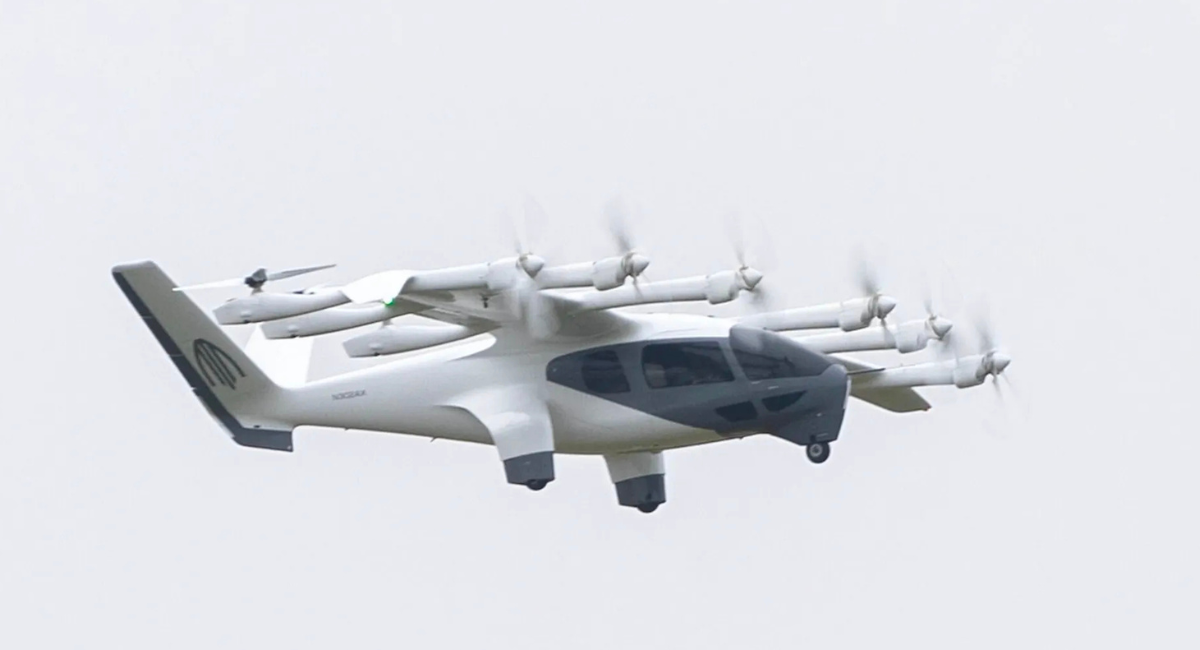
Archer Aviation Midnight (Image Credit: archer.com)
Lilium is in trouble. Lilium has great technology but is running out of cash. If Lilium can’t raise another $300 million quickly, Lilium will either merge with another company or get acquired.
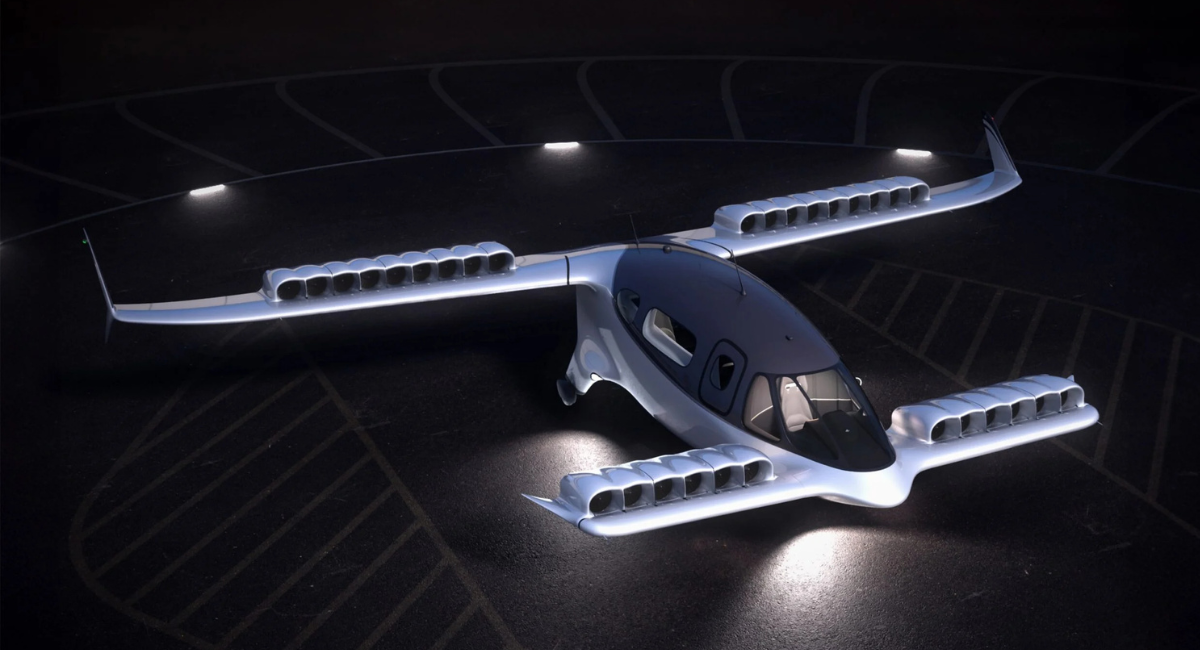
Lilium Jet (Image Credit: jet.lilium.com)
Volocopter is in critical trouble. Volocopter has less money than everyone else and has been raising money since 2012 but only has $250 million. I don’t think Volocopter survives independently. Volocopter will probably get acquired or merge.
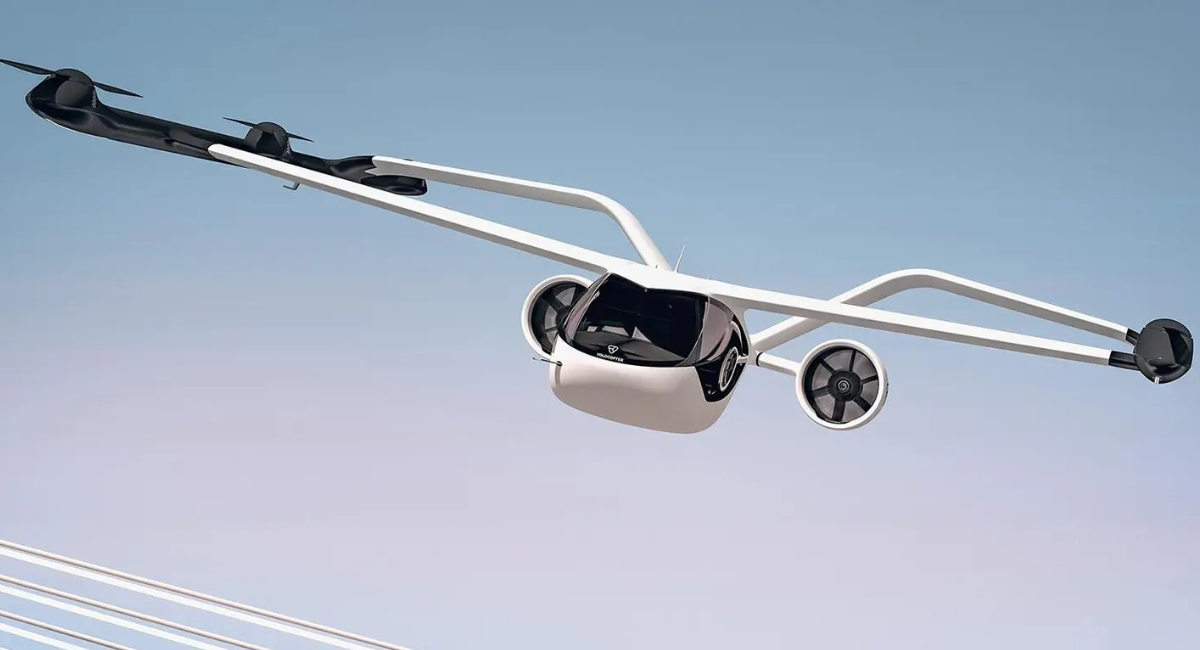
VoloRegion (Image Credit: volocopter.com)
Vertical Aerospace just extended its life. Vertical’s new $850 million funding is huge. Vertical can now compete for real.
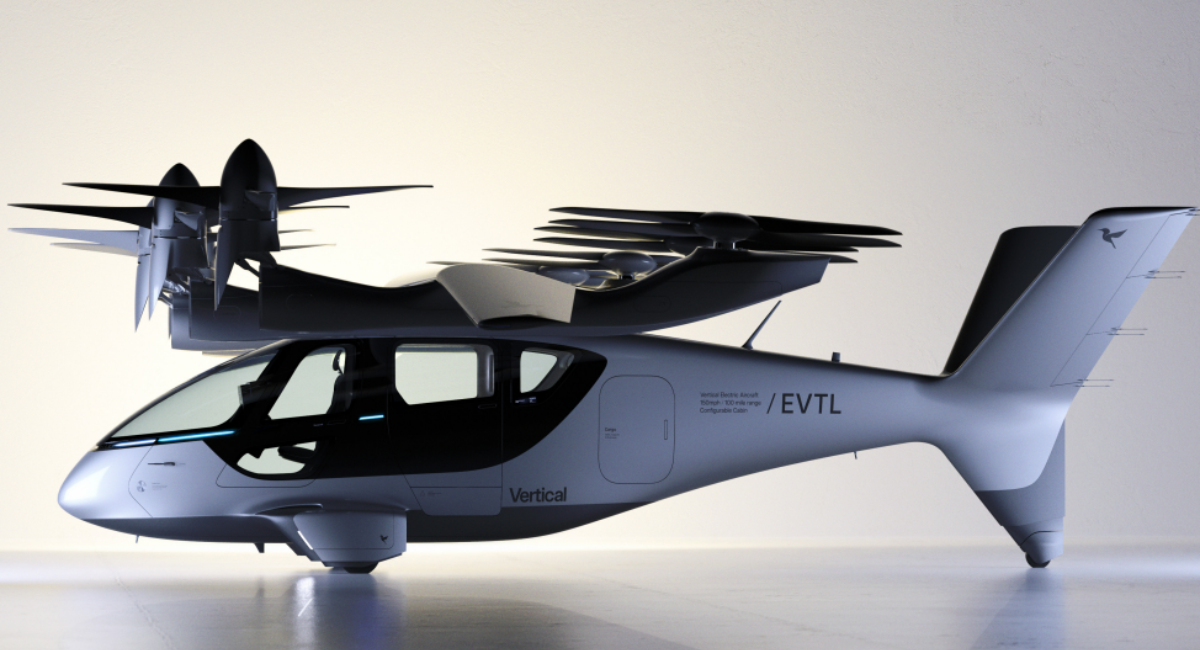
Vertical Aerospace (Image Credit: vertical-aerospace.com)
EHang is unique. EHang is already making money and doesn’t compete with Joby and Archer in the U.S. or Europe. EHang owns Asia.
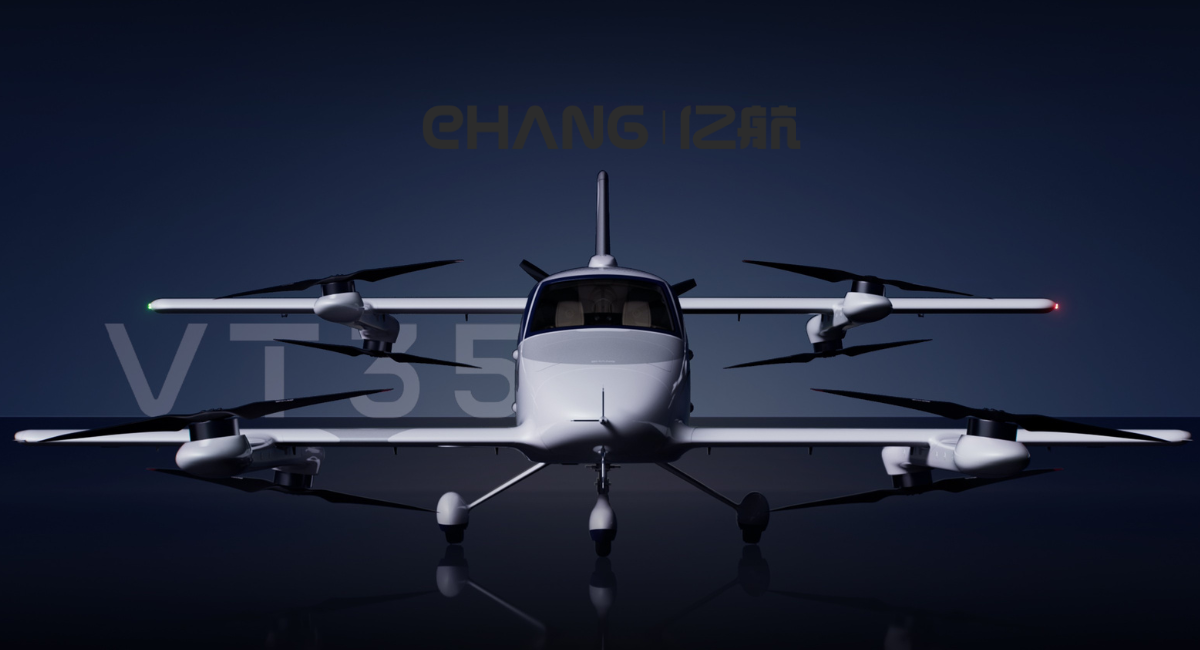
EHang (Image Credit: ehang.com)
My prediction for 2030:
Joby will be the global leader. Archer will own the U.S. market. Lilium will either be acquired or merge with another European company. Volocopter will probably get acquired. Vertical will be the third-place company if it executes well. EHang will own Asia and be very profitable.
Conclusion
In the eVTOL market, money is power. The companies with the most money win.
Joby has the most money and the best supporters. Joby will probably win.
Archer has good money and Stellantis support. Archer will be successful.
Lilium and Volocopter are running out of time. They need to raise more money or get acquired.
Vertical got lucky and raised $850 million. Vertical now has a real chance.
EHang already won in Asia by being profitable today.
Want To Learn More?
Read our articles about each company:
- Joby Aviation: The Flying Taxi Company Backed by Toyota
- Archer Aviation: United Airlines Flying Taxi Partner
- Lilium: The Jet-Powered eVTOL Company
- EHang Holdings: The Company Already Flying Passengers
- Volocopter: German Engineering Meets eVTOL
- Vertical Aerospace: The British Company That Just Saved Itself
Have questions? Contact us at contact@airtaxicentral.com or email Amit at amit@airtaxicentral.com.
Air Taxi Central | Covering the eVTOL Revolution
airtaxicentral.com | @AirTaxiCentral

Market & Investment
Vertiports: The Hidden Infrastructure Challenge Nobody Talks About
Vertiports are the missing piece of flying taxi infrastructure. Learn what vertiports are, why they cost $30-100 million each, and why Dubai is winning the infrastructure race.
Why Flying Taxis Need Special Airports (And Nobody Has Built Them Yet)
Here’s something everyone forgets about flying taxis: they need somewhere to land. Joby has a flying taxi. Archer has a flying taxi. Lilium has a flying taxi. But where do these aircraft land? That’s the question nobody answers.
The answer is: vertiports.
A vertiport is like an airport, but much smaller. It’s where flying taxis take off and land. It’s where passengers get on and off. It’s the whole infrastructure that nobody is building. And that’s a huge problem.
What Exactly Is A Vertiport?
Let me explain what a vertiport actually means. A vertiport is a landing pad for flying taxis. It’s not a runway. It’s a small, vertical space where aircraft take off straight up and land straight down.
Think of it like a parking garage for flying taxis. But on top of a building. Or in the city. Or at an airport.
Here’s what a vertiport has:
- A landing pad (like a helicopter pad)
- Charging stations (flying taxis have batteries)
- Passenger waiting areas
- Maintenance facilities
- Safety systems
- Air traffic control
Here’s how big a vertiport is:
A single vertiport might be the size of a parking lot. Maybe 100 feet by 100 feet. Not huge. But not tiny either.
A big vertiport might handle 50-100 flying taxi flights per day. That requires multiple landing pads, charging stations, and safety equipment.
Why Are Vertiports So Important?
Flying taxis don’t fly themselves. Joby’s aircraft needs to land somewhere. Archer’s aircraft needs to land somewhere. If there’s no place to land, there’s no business.
Here’s the reality: vertiports are the missing piece nobody talks about.
Everyone focuses on the aircraft. “Will the aircraft work? When will it launch? How much does it cost?”
Nobody asks: “Where will it land?”
This is the infrastructure problem. Infrastructure doesn’t get attention. Infrastructure doesn’t get headlines. But infrastructure decides whether flying taxis actually work.
The Real Costs: Building A Vertiport
Building a vertiport is expensive. A single vertiport costs $30 million to $100 million. Some estimates are even higher.
Here’s what you need to build:
Landing pads: $5-10 million (structural engineering, safety systems, maintenance)
Charging infrastructure: $10-20 million (electrical systems, battery charging, power management)
Passenger facilities: $5-15 million (terminals, waiting areas, bathrooms, security)
Maintenance facilities: $5-10 million (repair shops, testing areas, storage)
Air traffic control: $2-5 million (radar, communication systems, safety equipment)
Land acquisition: $10-50 million (very expensive in cities where you need vertiports)
Regulatory compliance: $2-5 million (getting approvals, safety certifications)
Total: $40-115 million per vertiport.
Now imagine you need 20-30 vertiports across a city. That’s $800 million to $3.5 billion in infrastructure.
Who pays for that? That’s the big question.
The Infrastructure Problem: Who Builds Vertiports?
Flying taxi companies (Joby, Archer, Lilium) don’t want to build vertiports.
Why? Because it costs too much. Because it takes too long. Because they have limited capital.
Joby raised $976 million total. Building 20-30 vertiports would cost $800 million to $3.5 billion. That’s more than Joby’s entire funding.
So who builds vertiports?
Real estate companies might build them (make money from property)
Airlines might build them (add new revenue stream)
City governments might build them (public transportation)
Airport operators might build them (expand their business)
Nobody knows for sure. This is why the infrastructure problem is so big.
Real World Example: Dubai Vertiport
The best vertiport example is Dubai.
Joby is launching flying taxi service in Dubai in 2026. Dubai is building a vertiport for Joby.
Dubai’s vertiport:
Location: Near Burj Khalifa (downtown Dubai)
Cost: Estimated $50-100 million
Capacity: 200-300 flights per day (when fully operational)
Opening: 2026
Dubai can afford it. Dubai wants it. Dubai is a rich city with vision.
But most cities are not Dubai.
Most cities are New York, Los Angeles, London, Paris. These cities struggle to build basic infrastructure (roads, subway, buses). Building vertiports will be very difficult.
The Timeline Problem: Vertiports Take Time
Building vertiports takes years.
Here’s a realistic timeline:
Year 1: Government approves location, environmental review
Year 2: Land acquisition, design, permitting
Year 3: Construction begins
Year 4: Construction continues
Year 5: Construction finishes, testing, final approvals
Year 6: Opens to public
So if you want to launch flying taxis in 2027, you need vertiports done by 2026. That’s impossible in most cities.
This is why Dubai is winning. Dubai started planning vertiports in 2021-2022. Dubai will have vertiports ready by 2026.

Dubai Vertiport (Image Credit: Skyports)
Most cities started planning in 2024-2025 or haven’t started at all.
Timeline problem: Vertiports take 5-6 years to build. Flying taxi companies want to launch in 2026-2028. The timing doesn’t match.
Where Will Vertiports Actually Be Built?
Vertiports will be built in specific places. Not everywhere.
Most likely locations:
Airports
- Make sense (existing infrastructure)
- Connect flying taxis to airplanes
- Easy to add security, facilities
- Airports are open to new technology
Downtown business districts
- High passenger demand
- Easy to get permits (business areas)
- Expensive land but high revenue potential
- Cities want them here
Train stations
- Connect flying taxis to trains
- Existing transportation hub
- Good location for connecting passengers
- Some cities planning this
Hotels and shopping centers
- Private companies want to build them
- Make money from passengers
- Expensive but profitable
- Luxury locations
Universities and hospitals
- Specialized use (staff, emergency transport)
- Dedicated facilities
- Private property (easier permits)
- Limited public use
Unlikely locations:
- Suburbs (no demand, too spread out)
- Industrial areas (no passengers)
- Rural areas (no demand)
- Residential neighborhoods (noise, safety concerns)
The Noise Problem: Are Vertiports Too Loud?
Flying taxis are electric, so they’re quieter than helicopters. But they’re still loud.
Joby’s aircraft: 70-75 decibels (like a vacuum cleaner)
Helicopter: 85-90 decibels (very loud)
So flying taxis are quieter. But not silent.
If you have 200 flights per day in a city, that’s constant noise from morning to night.
Noise concerns:
Residential areas: Won’t allow vertiports (residents complain)
Downtown areas: Acceptable (already noisy)
Airports: No problem (already loud)
Hospitals: Problems (patients need quiet)
This is why vertiports go downtown or at airports. Not in quiet neighborhoods.
The Safety Question: Are Vertiports Safe?
Yes, vertiports can be safe. But they need:
Strict safety standards
- Vertical aircraft need special training
- Pilots need certifications
- Regular inspections required
Security systems
- Air traffic control to prevent collisions
- Automated landing systems
- Emergency procedures
- Weather monitoring
Emergency response
- Fire trucks on standby
- Medical teams nearby
- Evacuation procedures
- Insurance coverage
Dubai is building safety into their vertiport from day one. This is good.
But many cities don’t have these systems yet. They’ll need to build them. That takes time and money.
The Main Problem
Here’s the real infrastructure problem:
Flying taxi companies don’t want to build vertiports. They want to focus on aircraft.
Real estate companies don’t want to build vertiports. Too expensive, too uncertain demand.
City governments don’t want to build vertiports. Too expensive, low priority, risky investment.
Nobody wants to build vertiports. But flying taxis can’t launch without them.
All need vertiports to launch flying taxis. But nobody builds vertiports until they know flying taxis will actually work. But flying taxis can’t work without vertiports.
Dubai solved this by saying: “We want flying taxis. We’ll build the vertiport.” That worked.
But most cities don’t have Dubai’s money or vision.
Timeline For Vertiport Construction
Here’s what will actually happen:
2026: Dubai vertiport opens. Joby launches service.
2027: Maybe 2-3 vertiports in U.S. cities (New York, Los Angeles)
2028: Maybe 5-10 vertiports across U.S. and Europe
2029: Maybe 20-30 vertiports
2030: Maybe 50-100 vertiports globally
This is much slower than flying taxi companies want.
Joby wants to launch everywhere by 2027. But most cities won’t have vertiports until 2028-2030.

The Dubai International Vertiport (DXV) is the first commercial vertiport facility to receive technical design approval from the UAE. © Skyports
Reality: Flying taxis will launch in cities with vertiports (Dubai, maybe NYC, maybe LA). Other cities will wait until vertiports are built.
Who’s Actually Building Vertiports?
Very few companies are building vertiports.
Companies building vertiports:
Urban-Air Port (UK company)
- Building vertiports in UK and Europe
- “Plug and play” vertiports
- Modular design (faster to build)
- Cost: $50-80 million each
Lilium’s vertiport plans
- Building vertiports in Europe
- Partnership with AeroGround
- Ready by 2027-2028
- Multiple locations planned
Joby’s Dubai vertiport
- Partnership with Meraas (Dubai company)
- Custom-built for Dubai market
- First operational vertiport
- Opens 2026
Archer’s vertiport plans
- Discussions with U.S. airports
- Not publicly confirmed yet
- Planning phase
Most companies: No clear vertiport strategy. They’re waiting to see what happens.
The Cost Problem For Cities
Building vertiports costs a lot of money. A city needs 20-30 vertiports to have real flying taxi coverage.
Cost: $800 million to $3.5 billion
For comparison:
NYC subway expansion: $15 billion
LA metro expansion: $5 billion
Chicago expansion: $2 billion
Vertiports are expensive but not impossible. But cities have competing priorities.
Cities usually prioritize:
1. Roads and highways
2. Public transit (buses, trains)
3. Water systems
4. Schools and hospitals
5. Housing
Flying taxi vertiports are last on the list. So they’ll be built slowly.
My Perspective: Amit’s Honest Opinion
Here’s what I really think:
Flying taxis will work technically. Joby, Archer, Lilium will build good aircraft. The technology is solid.
But flying taxis will launch slowly because of vertiports. You can’t fly a taxi without somewhere to land. Obvious, right? But obvious doesn’t mean people are solving it.
Dubai will win first. Dubai is building vertiports now. Joby will launch in Dubai in 2026. That’s real. That’s happening.
U.S. cities will lag behind. New York, Los Angeles, Chicago—these cities are too busy with other problems. They won’t build vertiports fast enough. Flying taxis will launch 2-3 years late in major U.S. cities.
Vertiport companies will be as important as aircraft companies. Urban-Air Port, AeroGround, Meraas (Dubai)—these infrastructure companies will be as valuable as Joby and Archer. Nobody realizes this yet.
My prediction for 2030:
- Dubai: 3-5 operational vertiports, 500+ daily flights
- Europe: 5-10 vertiports, especially in Germany and UK
- U.S.: Maybe 3-5 vertiports (NYC, LA, maybe Miami)
- Rest of world: Very few vertiports
Vertiports will be the limiting factor, not the aircraft. That’s my honest opinion.
The Bottom Line
Flying taxis are coming. That’s certain. But they won’t launch everywhere at once. They will launch where vertiports exist.
Dubai has vertiports. Dubai wins first.
Most cities don’t have vertiports. Those cities wait. That’s the hidden infrastructure challenge. The question nobody asks. The problem that decides when flying taxis actually become real.
Build the aircraft. That’s important. But build the vertiports first. Because aircraft without vertiports go nowhere.
Want To Learn More?
Read our complete eVTOL company guides:
- Joby Aviation: The Flying Taxi Company Backed by Toyota
- Archer Aviation: United Airlines Flying Taxi Partner
- Lilium: The Jet-Powered eVTOL Company
- EHang Holdings: The Company Already Flying Passengers
Also read: eVTOL Funding 2026: How Much Money Did Each Company Raise?
Questions?
Contact Air Taxi Central at contact@airtaxicentral.com or reach Amit at amit@airtaxicentral.com.
-
Company Analysis6 days agoJoby Aviation: The Flying Taxi Company Backed by Toyota
-
Company Analysis4 days agoLilium: The Jet-Powered eVTOL Company Taking Over Europe
-
Company Analysis5 days agoArcher Aviation: United Airlines Flying Taxi Partner
-
Technology1 week agoHow Do eVTOL Aircraft Actually Work?
-
Guides1 week agoWhat is Urban Air Mobility? The Future of City Transportation
-
Company Analysis3 days agoVertical Aerospace: The British eVTOL Company That Just Saved Itself
-
Company Analysis4 days agoEHang Holdings: The Chinese Company Already Flying Passengers Right Now
-
Company Analysis3 days agoVolocopter: The German Startup Racing Against Time and Money
