

Volocopter is in a race against the clock. The company founded innovative eVTOL technology and has solid engineering. As per the official source, the company is backed by respected investors. But it has one problem: less funding than competitors and a later timeline.
This is the story of a company that’s smart, innovative, and potentially running out of time before better-funded competitors launch first.
Here’s what you need to know about Volocopter and whether the company can pull off a victory despite the funding disadvantage.
Quick Facts: Volocopter
Company Name: Volocopter GmbH
Headquarters: Bruchsal and Munich, Germany
Founded: 2011
Founder/CEO: Florian Reuter
Status: Private (currently seeking Series C funding)
Aircraft: VoloCity (2 passengers), VoloRegion (4-6 passengers)
First Commercial Flight: 2028+ (Berlin planned)
Current Funding: $250M+ raised
Major Investors: Boehringer Vehnstetter, Geely, Microsoft, Carl-Zeiss Stiftung
Timeline: 2028 or later
The Challenge: Underfunded in a Funding Race
Let’s be direct. Volocopter has less funding than every major competitor.
- Joby: $976M
- Archer: $550M
- Lilium: $350M
- EHang: $400M
- Volocopter: $250M
Volocopter raised less than half of what Joby Aviation raised. In an industry where cash is equal to development time, this is a significant disadvantage.
More money means more engineers. More engineers means faster development. Faster development means reaching market first.
Volocopter is trying to win with less. That’s possible but difficult.
The Company: Founded 2011, But Stayed Quiet
Volocopter was founded in 2011 by Florian Reuter, the same year Lilium was founded. Volocopter is not a young startup. The company has been developing for 15 years.
But Volocopter stayed relatively quiet. No major press. No celebrity investors. No flashy announcements. Volocopter just built. This is both an advantage and disadvantage.
Advantage: Volocopter has deep expertise. The company has 15 years of experience. The company knows eVTOL engineering inside out.
Disadvantage: Volocopter has less visibility. Investors prefer flashy startups with famous backers. Volocopter is the quiet, serious engineering company.
The Aircraft: VoloCity and VoloRegion
Volocopter is developing two aircraft for different markets.
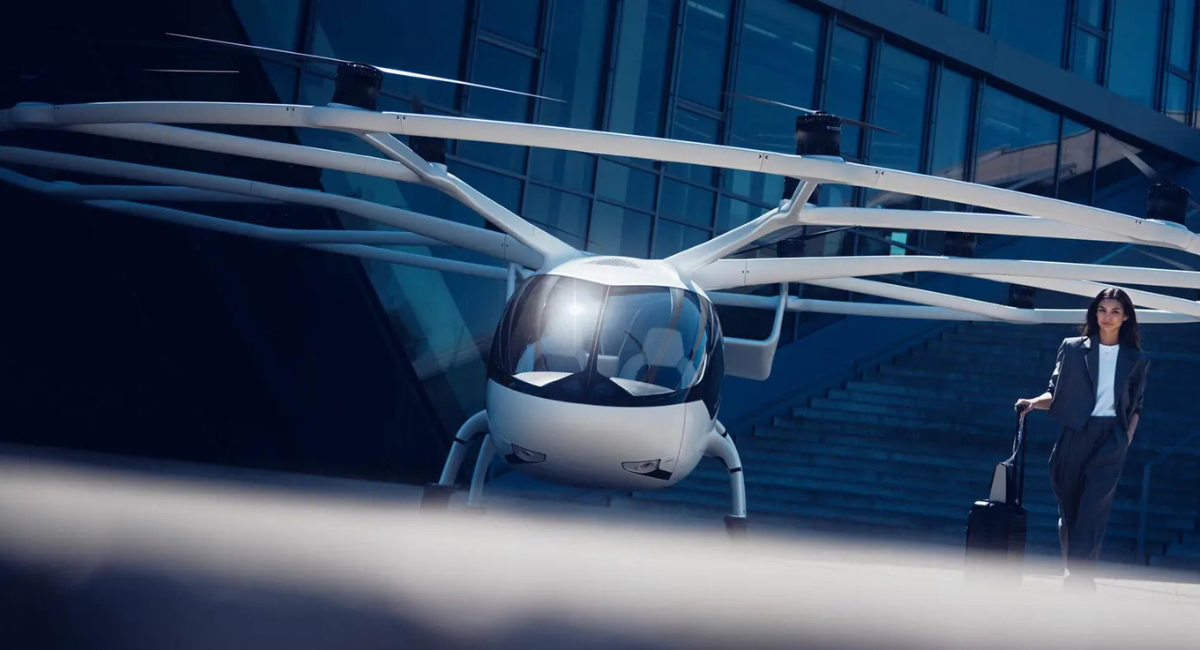
VoloCity
- Passengers: 2 only
- Range: 20-35 km flight range
- Speed: 110 mph
- Takeoff: Vertical
- Design: 18 rotors (similar to EHang’s approach)
- Use: City air taxi
- Low Noise: 66dB

VoloRegion
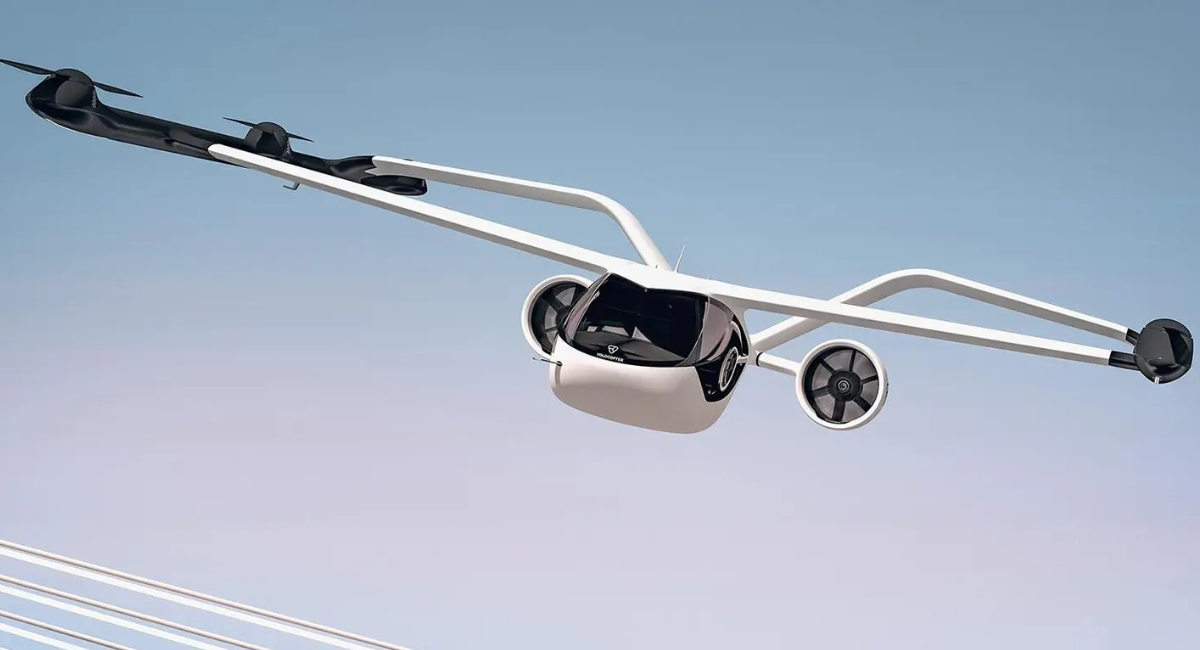
- Passengers: 4-6
- Range: 200+ miles
- Speed: 120+ mph
- Takeoff: Vertical but can take off from small airfields
- Design: Hybrid-electric (combines battery and fuel cell)
- Use: Regional transportation
The Strategy
Volocopter is not setting up on everything on one aircraft. Volocopter is building two: one for city use (VoloCity) and one for regional routes (VoloRegion).
This is smart. Cities want short-range, quiet urban aircraft. Regional markets want longer-range, slightly larger aircraft. By building both, Volocopter captures two markets instead of one.
But building two aircraft costs more money and that’s Volocopter missing for now.
The Timeline: When Will Volocopter Fly?
2026:
- Continued certification work with EASA
- VoloCity testing in Berlin
- VoloRegion development
2028:
- VoloCity commercial launch (Berlin planned)
- EASA certification expected
- First paying passengers
2029+:
- Expansion to other European cities
- VoloRegion launching
- Scaling operations
Key problem: 2028 is LATER than Joby (2026), Archer (2027), and Lilium (2027-28).
Volocopter is last to market among major competitors. That matters.
Funding & Investors: The Challenge
Volocopter raised $250M+, but the company is privately funded. The company is not public.
Major Investors:
- Boehringer Vehnstetter – German investment
- Geely – Chinese car manufacturer (ownership stake)
- Microsoft – Technology partnership
- Carl-Zeiss Stiftung – German foundation
The investor list is solid but less glamorous than Joby’s Toyota or Archer’s United Airlines.
Critical issue: Volocopter is actively seeking Series C funding. The company needs more money to reach certification.
If Volocopter can’t raise $300-500M in Series C, the company is in trouble. That creates pressure and uncertainty.
Competition: Volocopter vs. Others
vs Lilium:
- Lilium has more funding ($350M vs. $250M) ✓ Lilium
- Lilium has better timeline (2027-28 vs. 2028) ✓ Lilium
- Lilium has unique jet technology ✓ Lilium
- Volocopter has 15 years experience ✓ Volocopter
Winner: Lilium
vs EHang:
- EHang is already flying ✓ EHang
- EHang has more funding ($400M vs. $250M) ✓ EHang
- Volocopter has European regulatory advantage ✓ Volocopter
Winner: EHang (already operating)
The Real Issue: Series C Funding
Volocopter’s biggest challenge isn’t technology. It’s funding.
The company is seeking Series C financing. If successful, Volocopter gets $300-500M and can accelerate certification. If unsuccessful, Volocopter has to delay or reduce scope.
In a race where speed = winning, delays kill momentum.
Investment Opportunity & Risks
Why Consider Volocopter?
- German engineering (15+ years experience)
- Two aircraft strategy (two markets)
- European regulatory advantage
- Innovative technology
Risks:
- Underfunded compared to competitors
- Latest timeline to market (2028)
- Seeking Series C (creates uncertainty)
- Less visibility/credibility than competitors
- Two aircraft strategy = higher costs
- Smaller chance of market leadership
Realistic Assessment: Volocopter is the “also-ran.” The company has solid technology and experience, but less chance of winning than Joby, Archer, or Lilium.
Conclusion on Volocopter
Volocopter is a solid engineering company trying to compete with better-funded rivals.
The company’s 15 years of experience is valuable. The two-aircraft strategy is smart. The German heritage and EASA focus is credible.
But funding constraints and late timeline put Volocopter at a disadvantage. By 2030, Volocopter could be operating in 3-5 European cities. That’s respectable. But it’s not market leadership.
Volocopter is the company that makes the eVTOL industry more competitive, but probably not the overall winner.
My Opinion: Amit’s Analysis
Volocopter is my “heartbreak” company in the eVTOL space. Yes, that’s the fact.
Here’s why: I genuinely believe Volocopter has the best engineering. 15 years of development. Two aircraft strategies. Hybrid-electric innovation. Serious German engineering credibility. The company’s technology is legitimate.
But Volocopter is underfunded. And in venture capital, underfunding is a terminal disease. I watch Volocopter and see a company that deserves to win but probably won’t.
The company has the engineering chops to compete with Lilium. The company has the innovation to compete with Joby. But Volocopter is $300 million behind.
In a race where cash is equal to development speed, that gap is insurmountable. What frustrates me most is that Volocopter’s strategy is smart. Two aircraft, not one. European focus, not global ambition. Reasonable timeline, not hype.
But smart strategy can’t overcome funding shortfalls. Volocopter needs to raise Series C successfully. Needs to do it at good valuation. Needs to accelerate without burning out the team. Three things that are extremely hard simultaneously.
My prediction: Volocopter either gets acquired (most likely) or merges with another underfunded European competitor. The company probably doesn’t survive as independent.
And that’s the tragedy of the eVTOL space right now. The best technology doesn’t always win. Money wins. Partnerships win. Market position wins. Volocopter has brilliant engineering but not enough of the other three.
Quick Links & Contact
Official Website: volocopter.com
Social Media:
- Twitter: @volocopter
- LinkedIn: Volocopter
- Instagram: @volocopter
Press Contact: press@volocopter.com
Last updated: April 2nd, 2026